
The year 2026 has quickly established itself as a landmark period for the horror genre, building on the significant momentum generated in 2025. Amidst a wave of both independent triumphs and major studio successes, one title has particularly captured the zeitgeist: "Backrooms." Its exceptional performance during its opening weekend has not only cemented its status as a commercial hit but also underscored its role in continuing two pivotal trends currently shaping the landscape of contemporary horror cinema. This article delves into these burgeoning trends, exploring how "Backrooms" exemplifies them and what their broader implications are for the genre's future.
The Phenomenon of Backrooms: From Internet Lore to Cinematic Sensation
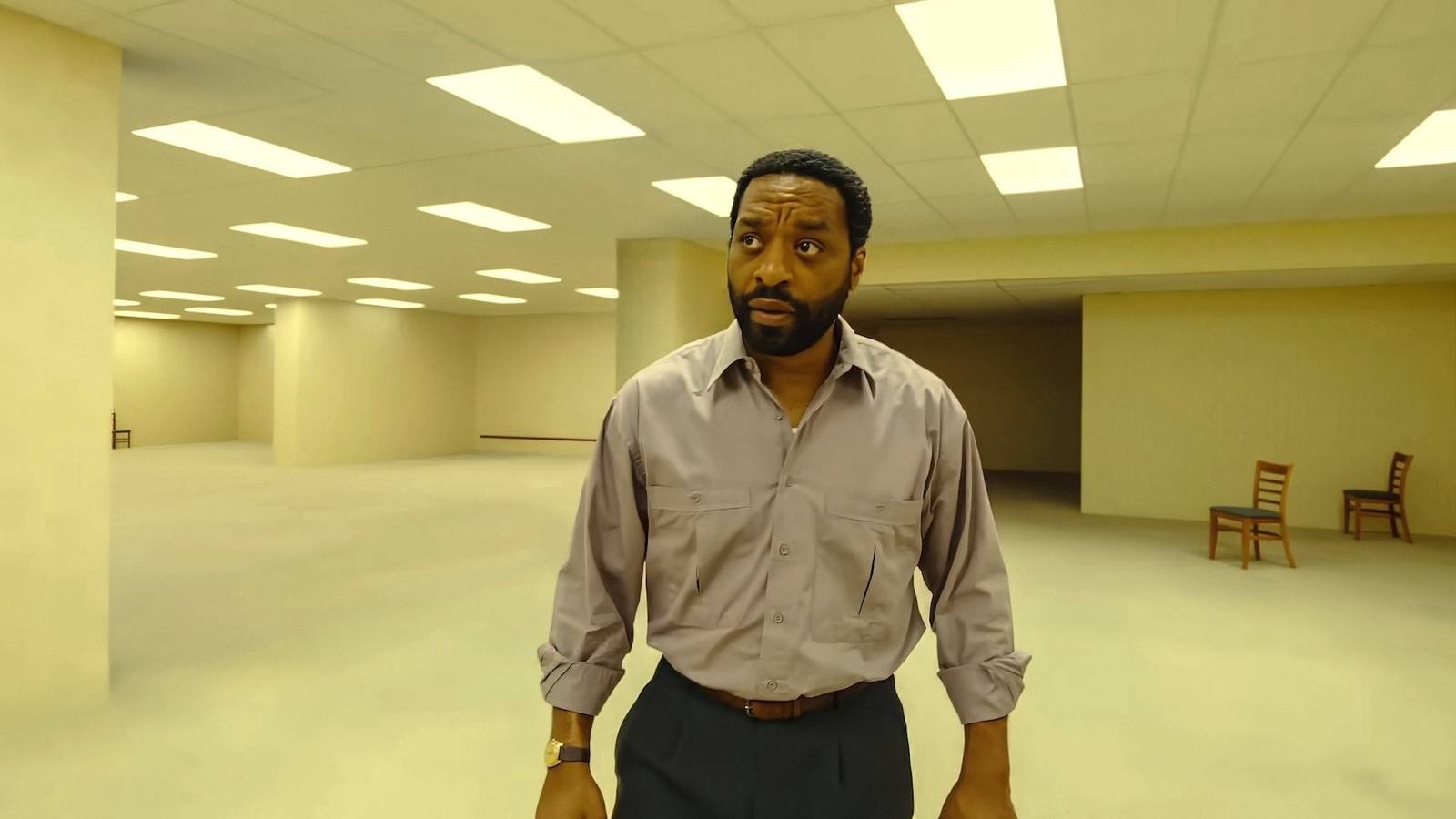
The conceptual genesis of "Backrooms" is perhaps one of its most compelling attributes. Originating as a creepypasta on the internet, the phenomenon quickly transcended its digital roots, evolving into a vast, collaboratively built universe of unsettling imagery and lore. The core premise revolves around an infinite labyrinth of eerily familiar yet unsettlingly empty office spaces, characterized by yellowed wallpaper, damp carpets, and the buzzing of fluorescent lights. This liminal aesthetic, evoking feelings of uncanny familiarity and profound isolation, struck a chord with online communities, fostering a rich tapestry of fan-created content, from short films to extensive wiki entries. The transition of such a deeply embedded internet phenomenon to a mainstream cinematic release like "Backrooms" signifies a crucial shift in how horror narratives are conceived and consumed, moving from niche online communities to global theatrical distribution.
Trend 1: The Ascendance of Digital-Native and Collaborative Horror Narratives
One of the primary trends "Backrooms" emphatically continues is the rise of horror narratives born from digital spaces and cultivated through collaborative, community-driven efforts. Unlike traditional studio productions that often begin with a singular vision, "Backrooms" leveraged a pre-existing, decentralized mythology. This approach taps into a unique creative pipeline where the audience is not just a consumer but an active participant in the story's evolution. The film's success demonstrates that stories organically grown online, fueled by collective imagination and shared experiences, possess a potent appeal that can translate effectively to the big screen, proving the viability of bottom-up narrative development.
Fostering Fan Engagement and Organic Growth
The appeal of digital-native horror extends beyond mere novelty; it fosters an unparalleled level of fan engagement. When a film like "Backrooms" emerges from an established online lore, it arrives with a built-in, passionate fanbase already familiar with its world and eager to see its cinematic interpretation. This organic growth reduces marketing hurdles and ensures a dedicated initial audience. The indie successes of 2026, such as "Hokum" and "Obsession," further illustrate this point, showcasing how independent creators, often leveraging online platforms for distribution and community building, can achieve significant impact without the massive budgets of traditional studios. These films often explore themes and aesthetics that resonate deeply with digitally savvy audiences, who appreciate originality and a departure from conventional horror tropes.
Trend 2: The Resurgence of Found Footage and Liminal Horror Aesthetics
The second significant trend exemplified by "Backrooms" is the pronounced resurgence of the found footage subgenre, coupled with a renewed fascination with liminal spaces. While found footage has been a staple since films like "The Blair Witch Project," "Backrooms" injects fresh vigor by applying it to the distinct visual and psychological territory of liminal horror. This genre thrives on unsettling environments that are transitional, ambiguous, or seemingly out of place—like deserted malls, empty offices, or endless corridors—evoking a sense of unease, disorientation, and existential dread rather than relying on overt jump scares. The film masterfully uses its visual style to amplify the horror inherent in these unsettling, in-between spaces, where reality feels warped and a sense of uncanny familiarity pervades.
Psychological Impact of Ambiguity and Isolation
The effectiveness of liminal horror, as showcased in "Backrooms," lies in its psychological depth. It preys on fundamental human anxieties related to isolation, the unknown, and the dissolution of familiar structures. The ambiguity inherent in these spaces forces the audience to confront their own fears of being lost or trapped, with no clear exit or explanation. This approach offers a sophisticated alternative to more explicit forms of horror, focusing on atmospheric tension and the power of suggestion. By combining the immersive, first-person perspective of found footage with the inherent dread of liminal environments, "Backrooms" crafts a unique and deeply unsettling experience that resonates on a primal level, proving that understated terror can be far more impactful than overt gore or monster reveals.
A Broader Horror Renaissance: 2025-2026's Frightful Fortune
The success of "Backrooms" is not an isolated incident but rather a prominent highlight in what has been an exceptionally fertile period for the horror genre. The years 2025 and 2026 have witnessed a robust and diverse output, signaling a true renaissance. Studio productions like "Send Help" and "Scream 7" have demonstrated the continued vitality of established franchises and mainstream horror, delivering both critical acclaim and box office success. Simultaneously, independent films such as "Hokum" and "Obsession" have pushed creative boundaries, exploring new narrative forms and stylistic approaches. This confluence of mainstream appeal and indie innovation indicates a healthy genre ecosystem where diverse storytelling thrives, catering to a wide spectrum of audience preferences and sustaining continuous engagement.
This boom can be attributed to several factors, including a willingness by filmmakers to experiment with subgenres, a renewed focus on character-driven narratives, and perhaps a societal appetite for cathartic frights in an increasingly complex world. From psychological thrillers to creature features, and from satirical horror to found footage experiments, the genre has demonstrated remarkable adaptability and creativity. This diversity not only keeps audiences engaged but also attracts new viewers, expanding horror's reach and ensuring its continued relevance in the broader cinematic landscape.
Implications for the Future of Horror Cinema
The strong performance of "Backrooms" and other horror films in 2026 carries significant implications for the future direction of the genre. Studios and independent producers alike are likely to take note of the efficacy of sourcing narratives from digital communities and the enduring appeal of specific aesthetic trends like liminal horror and revamped found footage. This could lead to increased investment in projects with grassroots origins, fostering a more democratic and audience-driven development process for cinematic narratives. The success story of "Backrooms" serves as a compelling case study, demonstrating that genuine innovation and profound impact can stem from unexpected places, ultimately enriching the horror genre with fresh perspectives and terrifying new experiences.
Furthermore, the genre's current vitality suggests a shift towards greater narrative sophistication and psychological depth, moving beyond simplistic scares to explore more nuanced forms of terror. As filmmakers continue to leverage new technologies and embrace diverse storytelling models, the future of horror promises to be as unsettling as it is exciting, continually evolving to reflect and challenge our deepest fears.
The success of "Backrooms" is a clear indicator that the horror genre is thriving, creatively expanding its boundaries and engaging audiences in unprecedented ways. To stay informed on the latest trends, critical analyses, and upcoming releases shaping the world of cinema, continue browsing our platform at NAME OF SITE, where in-depth content awaits every film enthusiast.
Fonte: https://screenrant.com