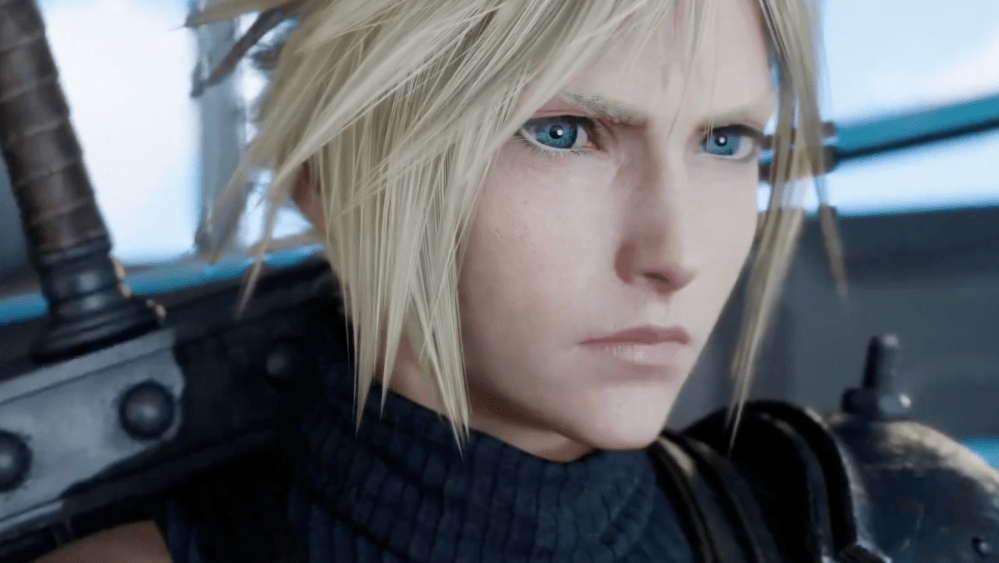
The highly anticipated third and final installment in Square Enix's monumental reimagining of a gaming classic, “Final Fantasy VII: Revelation,” has been officially unveiled. Set to dramatically conclude the “Final Fantasy VII” remake trilogy, this climactic title is slated for a Spring 2027 launch, coinciding fittingly with the 30th anniversary of the original game's groundbreaking release. Enthusiasts across the globe can look forward to experiencing this grand finale on a comprehensive array of platforms, including PlayStation 5, the yet-to-be-detailed Nintendo Switch 2, Xbox Series X and S, and PC. The announcement was accompanied by the reveal of its inaugural trailer, offering fans a tantalizing glimpse into what promises to be an epic conclusion to one of gaming's most beloved sagas.
The Enduring Legacy of Final Fantasy VII
Few video games have left as indelible a mark on popular culture as the original “Final Fantasy VII,” released by Square (now Square Enix) in 1997. It was a seminal title that not only propelled the role-playing game genre into the mainstream but also showcased the PlayStation's capabilities, captivating millions with its ambitious narrative, memorable characters, and innovative gameplay. Its thematic depth, exploring environmentalism, corporate greed, identity, and destiny, resonated deeply with players, fostering a loyal fanbase that has spanned generations. The game's intricate world, Midgar, and its iconic hero, Cloud Strife, along with his allies and nemesis Sephiroth, became household names, solidifying its status as a masterpiece and a cornerstone of video game history. The sheer cultural impact and critical acclaim of the original made a modern remake not just desired, but almost an inevitability, driven by decades of fan demand and technological advancements that could finally do justice to its grand vision.
A Trilogy Reimagined: From Remake to Rebirth
The journey to “Revelation” began with “Final Fantasy VII Remake” in 2020, which served as the first chapter, focusing exclusively on the initial Midgar section of the original game. This initial entry was lauded for its breathtaking graphics, dynamic real-time combat system blended with strategic command-based options, and a narrative that both honored and diverged from the source material, introducing new mysteries and plot threads. Its successor, “Final Fantasy VII Rebirth,” launched in 2024, expanded the world dramatically, allowing players to explore vast, open environments beyond Midgar. “Rebirth” pushed the boundaries further, deepening character relationships, introducing new gameplay mechanics, and continuing to explore the multiverse-like narrative possibilities hinted at in its predecessor. Both titles received critical acclaim for their ambition, technical prowess, and bold reinterpretation, setting a high bar for the concluding chapter.
Narrative Evolution and Player Engagement
The remake project has not merely been a graphical overhaul; it has been a profound narrative expansion and reinterpretation. By stretching the original story across multiple full-length games, Square Enix has had the opportunity to flesh out character backstories, introduce new perspectives, and weave in fresh narrative elements that challenge player expectations. This approach has allowed for a deeper exploration of themes and relationships, giving iconic moments new weight and resonance, while also creating an element of unpredictability even for long-time fans. The introduction of the 'Whispers' and the manipulation of fate have added a meta-narrative layer, directly engaging players with the very concept of a remake and the choices made by the developers, fostering a unique blend of nostalgia and fresh discovery.
Revelation: The Grand Finale Unveiled
The title “Final Fantasy VII: Revelation” itself strongly suggests the uncovering of long-held secrets and the ultimate climax of the overarching narrative. Following the dramatic events of “Rebirth,” which left many questions unanswered and character fates hanging in the balance, “Revelation” is expected to bring all the disparate plot threads to a head. Players can anticipate witnessing the ultimate confrontation with Sephiroth, the resolution of Aerith's destiny, and the final battle for the Planet's survival against Shinra and other cosmic threats. The game will likely tie together the destiny of Cloud and his companions, providing a definitive conclusion to their struggle against fate and their efforts to forge a new future for their world. The emotional stakes are undoubtedly at their highest, promising a powerful and unforgettable experience for fans.
Anticipated Gameplay and Technical Advancements
As the concluding chapter, “Revelation” is expected to refine and build upon the already excellent gameplay foundations laid by its predecessors. This could involve new synergistic combat abilities for party members, expanded traversal options, and perhaps entirely new gameplay systems to represent the culmination of the journey. Graphically, the game is poised to push the boundaries of current-generation hardware, particularly on the PlayStation 5, Xbox Series X, and high-end PCs, delivering stunning visual fidelity, intricate character models, and breathtaking environmental detail. Given the series' history of awe-inspiring set pieces and magical encounters, players can expect the climactic battles and cinematic moments of “Revelation” to be among the most visually spectacular ever seen in a video game, fully leveraging the power of modern gaming technology.
A Multi-Platform Launch and the 30th Anniversary
The Spring 2027 release window for “Final Fantasy VII: Revelation” is strategically significant, aligning perfectly with the 30th anniversary of the original “Final Fantasy VII.” This timing not only celebrates three decades of a beloved franchise but also underscores the enduring impact and evolution of the series. Launching such a highly anticipated title on this milestone anniversary will undoubtedly generate immense global excitement and serve as a fitting tribute to the game that redefined a generation. It symbolizes the completion of a modern epic that began as a tribute to its past, now culminating in a bold vision for its future, tying the old and new together in a celebratory fashion that resonates with both veteran fans and newcomers alike.
The Landscape of Launch Platforms
The decision to launch “Revelation” across PlayStation 5, Xbox Series X and S, PC, and the anticipated Nintendo Switch 2 signals Square Enix’s commitment to broad accessibility for this monumental conclusion. While PlayStation has historically been the primary home for “Final Fantasy VII” content, the multi-platform approach ensures that a wider audience can experience the finale. The inclusion of the speculative Nintendo Switch 2 is particularly noteworthy, suggesting that Nintendo's next-generation console will possess the necessary power to handle a graphically intensive title of this caliber, marking a significant step for the “Final Fantasy VII” remake series on a Nintendo platform. This comprehensive release strategy maximizes the game's reach, allowing players to conclude Cloud's saga regardless of their preferred gaming ecosystem, making it a truly universal event for the gaming community.
The Impact of the First Trailer
The reveal of the first trailer for “Final Fantasy VII: Revelation” is a pivotal moment, traditionally offering the initial glimpse into the game's tone, key narrative beats, and potential new character appearances or gameplay elements. Such trailers are meticulously crafted by Square Enix to generate maximum hype and spark extensive community discussion. Fans will be dissecting every frame, searching for clues regarding the story's direction, the fate of beloved characters, and any subtle hints about the game's scope and scale. The visual fidelity, musical score, and snippets of dialogue presented in the trailer will establish the initial expectations for the game, shaping fan theories and building anticipation exponentially leading up to its 2027 release. This initial visual introduction serves as the first major touchpoint for players as they prepare for the emotional culmination of the trilogy.
Community Expectations and Industry Influence
The culmination of the “Final Fantasy VII” remake trilogy with “Revelation” carries immense weight for the gaming community. Fan theories about the narrative's conclusion, character fates, and the ultimate resolution of the Whispers storyline have been rampant since the release of “Remake.” “Revelation” is expected to not only deliver a satisfying conclusion to these narratives but also potentially redefine what a video game remake can achieve. Its bold narrative choices, combined with cutting-edge technology and expansive world-building, could influence future projects across the industry, setting new benchmarks for storytelling and player engagement in remade classics. The project's ambitious scope and the unwavering dedication of Square Enix have consistently pushed the boundaries of what is possible, making “Revelation” a game that will undoubtedly be discussed and analyzed for years to come.
As the gaming world eagerly awaits more details and further revelations regarding “Final Fantasy VII: Revelation,” the excitement is palpable. The promise of a definitive conclusion to this epic saga, delivered on the 30th anniversary of its groundbreaking predecessor, positions it as one of the most significant releases of the decade. Don't miss out on any breaking news, in-depth analyses, and exclusive insights as we journey towards 2027. Continue exploring NAME OF SITE for all the latest updates on “Final Fantasy VII: Revelation” and the wider world of gaming.
Fonte: https://variety.com