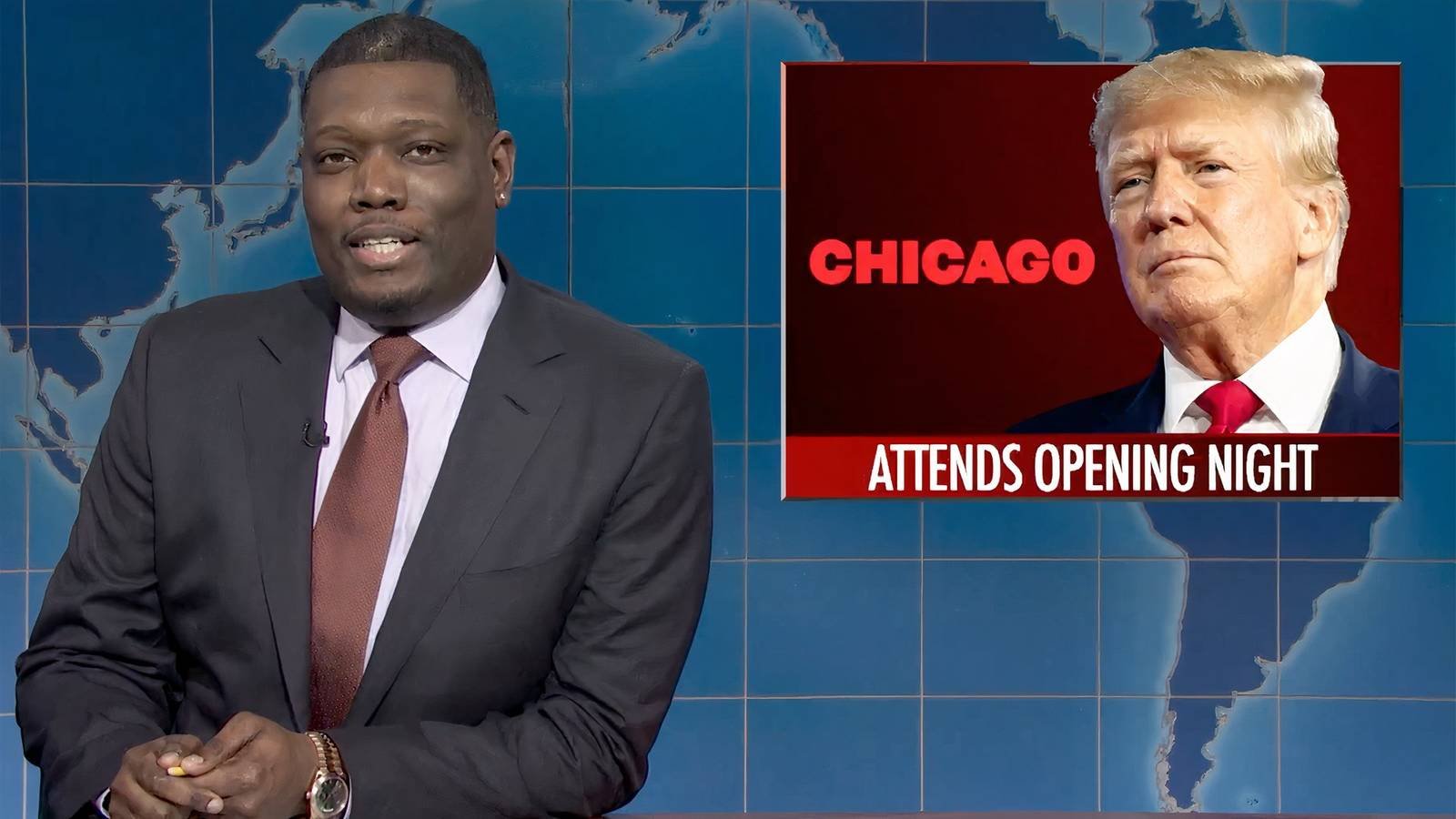
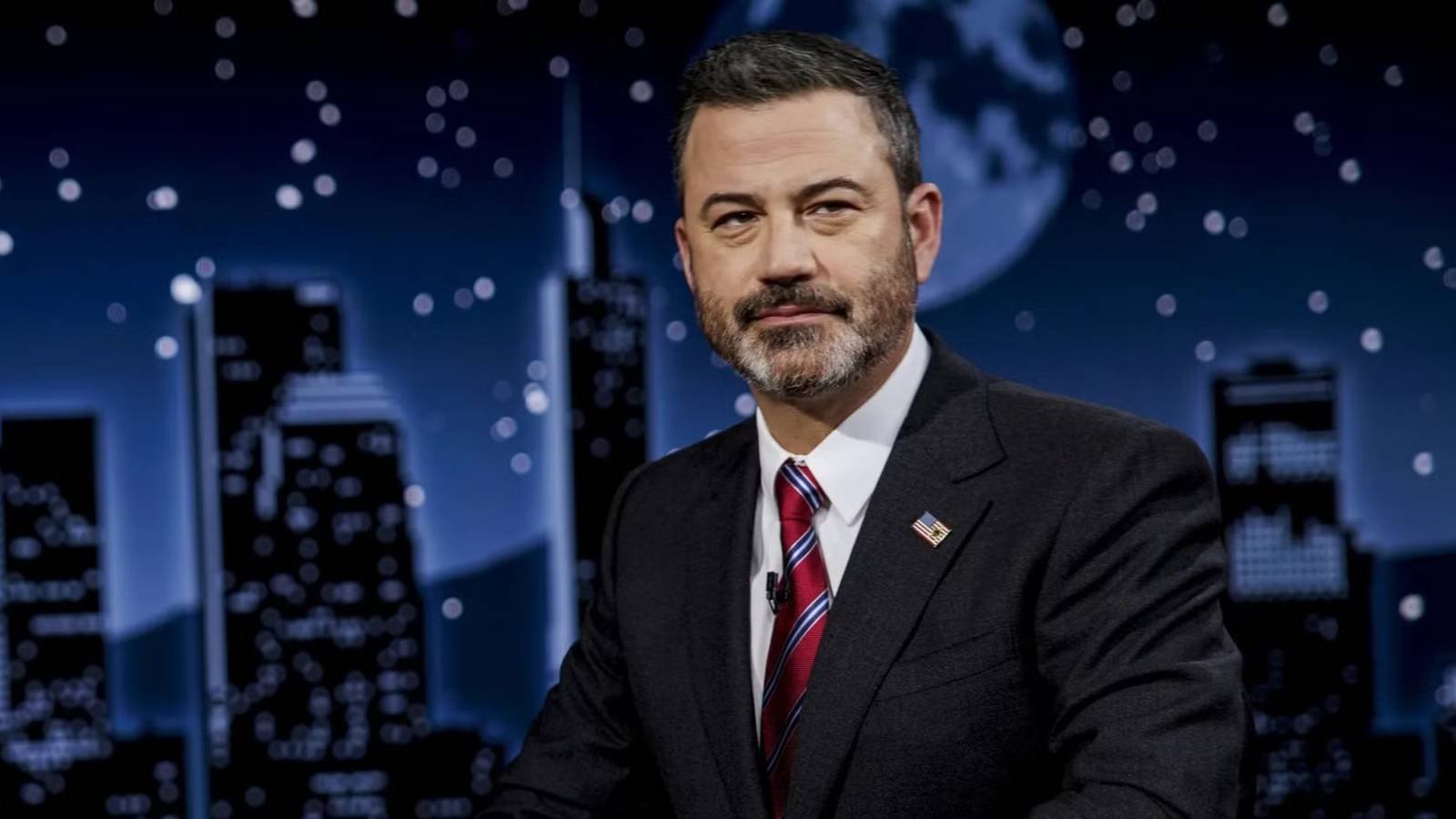
Former President Donald Trump has once again escalated his long-standing feud with late-night host Jimmy Kimmel, publicly demanding that ABC, the network broadcasting "Jimmy Kimmel Live!," terminate the comedian's employment. This latest call for action stems from remarks Kimmel made during his hosting duties at the 96th Academy Awards ceremony. The incident reignites a recurring point of contention between the two prominent figures, highlighting the volatile intersection of political commentary, entertainment, and public figures' reactions in contemporary media landscape.
The Genesis of the Latest Controversy: Oscar Night Remarks
The immediate catalyst for Trump's renewed demand occurred during the live broadcast of the Academy Awards on March 10, 2024. As host, Jimmy Kimmel engaged in a segment where he read aloud a critical post from Trump's social media platform, Truth Social. In his post, Trump lambasted Kimmel's performance and the overall quality of the Oscars telecast, calling it "the WORST Political Correct Woke SNL ever." He went on to suggest that Kimmel should be replaced and that the Academy had made poor choices. Kimmel, in response, turned to the camera and sarcastically quipped, "Isn't it past your jail time?" This retort, delivered live to millions, immediately drew both laughter and criticism, setting the stage for Trump's subsequent outrage.
While Trump's public statements did not explicitly label Kimmel's comment as an "assassination joke," the former President's camp and various media outlets interpreted it as such, or at least as a deeply offensive and potentially threatening remark. The implication of "jail time" or even more severe consequences for a political figure, even in jest, can be perceived differently across the political spectrum, amplifying the controversy and drawing the ire of Trump and his supporters. This specific interaction underscores the fine line comedians walk when incorporating political figures into their material, especially in a highly polarized environment where intent can easily be misconstrued or deliberately amplified.
A Recurring Demand: Trump's History with Kimmel
This is far from the first instance where Donald Trump has publicly expressed his disapproval of Jimmy Kimmel or called for his dismissal. Their contentious relationship dates back years, with Trump frequently targeting Kimmel's monologues and satirical segments on social media. The former President often views comedic criticism as a personal attack and a sign of media bias, rather than as part of a comedian's professional role in satire and commentary. This pattern of reaction is consistent with Trump's broader approach to media scrutiny, where he often seeks to delegitimize critics by calling for their removal or questioning their journalistic integrity.
Previous clashes have involved Kimmel's jokes about Trump's policies, family, and public persona, leading to similar calls for ABC to intervene. These repeated demands illustrate a broader tension between political power and comedic expression, especially when the target is a figure who commands a significant and loyal base of support. For Trump, the issue is often framed as one of fairness and respect, while for Kimmel and his defenders, it's about the fundamental right to free speech and the tradition of political satire in American entertainment.
The Role of Late-Night Comedy in Political Discourse
Late-night talk shows, traditionally a blend of entertainment and lighthearted news commentary, have increasingly become significant platforms for political satire and critique. Hosts like Jimmy Kimmel often use their monologues to react to current events, including presidential actions and political debates. This evolution reflects a broader trend in media consumption, where many viewers turn to these shows not just for laughs, but also for a comedic take on serious political issues. This role, however, comes with inherent risks, as political humor can be highly divisive, particularly when targeting figures as polarizing as Donald Trump. The expectation for comedians to be objective, or to refrain from perceived partisanship, is often at odds with the nature of satire, which thrives on exaggeration and pointed commentary.
ABC's Position and the Precedent of Network Response
Historically, major networks like ABC rarely bow to public pressure, even from high-profile political figures, when it comes to the creative freedom of their hosts. Firing a popular host like Jimmy Kimmel, who brings in substantial viewership and advertising revenue, would be an extraordinary measure. Such a decision would not only face immense backlash from fans and media organizations but could also set a dangerous precedent, implying that networks are susceptible to political intimidation. Networks generally defend their talent on grounds of free speech and artistic expression, especially when the content falls within the accepted parameters of satire and comedy, even if it pushes boundaries.
While networks do have standards and practices, and hosts have been disciplined or dismissed for genuinely egregious conduct or hate speech, political jokes, even controversial ones, typically do not cross that threshold. The broader cultural expectation is that public figures, especially those in powerful positions, are fair game for satire. ABC's silence or lack of direct response to Trump's demands can be interpreted as a tacit endorsement of Kimmel's right to express himself, or at the very least, a refusal to engage in what they might perceive as political posturing intended to influence their editorial decisions.
Implications for Free Speech and Media Independence
This ongoing saga between Trump and Kimmel underscores fundamental questions about free speech, media independence, and the limits of political satire in a democratic society. When a former President, and potential future candidate, demands the firing of a comedian for a joke, it can be seen as an attempt to chill speech and exert undue influence over media outlets. For many proponents of a free press, the ability of comedians and journalists to critique those in power without fear of professional repercussions is a cornerstone of democratic values. Allowing such demands to dictate employment decisions could create a chilling effect, leading to self-censorship and a less vibrant, less critical media landscape.
Conversely, critics argue that certain jokes, particularly those that could be perceived as violent or excessively personal, contribute to a toxic political environment. Navigating this tension is a continuous challenge for media organizations, public figures, and the audience. The incident also serves as a reminder of the power of social media to amplify political grievances and mobilize public opinion, further complicating the role of traditional media in managing and responding to such controversies.
The demand for Jimmy Kimmel's dismissal by Donald Trump is more than just a personal dispute; it's a microcosm of the larger battles being fought over political discourse, media freedom, and the boundaries of satire in a deeply divided nation. As long as political figures remain prominent targets for comedians, and as long as those figures continue to react forcefully, these confrontations are likely to persist, shaping the ongoing dialogue about what is acceptable in both entertainment and political commentary.
Stay informed on the evolving dynamics between politics and entertainment by continuing to explore in-depth analyses and breaking news right here on NAME OF SITE. Don't miss out on comprehensive coverage that goes beyond the headlines!
Fonte: https://screenrant.com