Despite a period of relative quiet on <i>The Legend of Zelda</i> front, with Nintendo yet to announce a direct successor to the critically acclaimed <i>Tears of the Kingdom</i> or a new major spin-off, a foundational debate continues to simmer within the gaming community. This discussion centers not on specific upcoming titles, but on the very essence of what constitutes 'next-gen' graphics for the beloved franchise and why many players feel current or anticipated visuals fall short. While no new core entry has been revealed since <i>Tears of the Kingdom</i>, and a spin-off hasn't materialized since <i>Age of Imprisonment</i>, the absence of new announcements hasn't quelled the discourse. Instead, it has amplified speculative anxieties and detailed critiques concerning Nintendo's artistic direction versus the industry's ever-advancing technological benchmarks, making it evident why these discussions frequently 'roast' the perceived graphical ceiling for Link's adventures.
The Heart of the 'Next-Gen' Graphics Debate
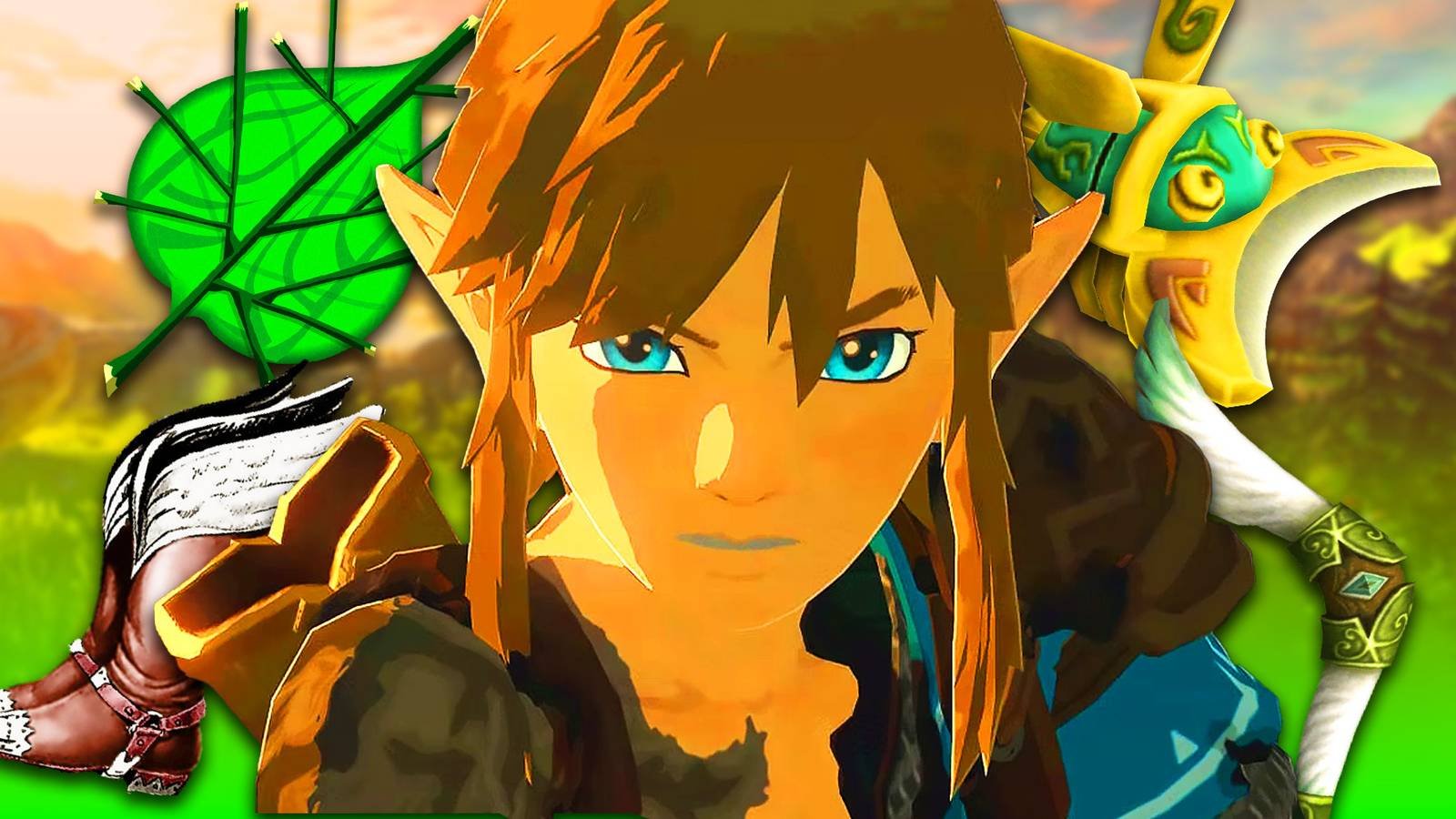
The core of the criticism levied against <i>Zelda</i>'s graphical presentation stems from a perceived disparity between Nintendo's iconic art style and the raw technical fidelity seen in contemporary gaming. For years, Nintendo has championed a unique artistic vision, often prioritizing stylized aesthetics and innovative gameplay mechanics over photorealistic graphics or cutting-edge technical specifications. This philosophy has birthed timeless classics with distinct visual identities, from the cel-shaded charm of <i>The Wind Waker</i> to the painterly landscapes of <i>Breath of the Wild</i> and <i>Tears of the Kingdom</i>. However, in an era dominated by consoles like the PlayStation 5 and Xbox Series X, which boast 4K resolutions, ray tracing, and highly detailed environments, the Nintendo Switch, with its more modest hardware, naturally presents a different visual experience. Gamers, accustomed to the bleeding edge of graphical innovation, often compare <i>Zelda</i>'s visual output to these high-fidelity counterparts, leading to a sense that the franchise is graphically 'lagging behind.'
Nintendo's Artistic Philosophy vs. Technical Prowess
Nintendo's strategy has always been to innovate in gameplay and art direction rather than engage in a raw graphics arms race. This approach has allowed games like <i>Breath of the Wild</i> and <i>Tears of the Kingdom</i> to craft expansive, immersive open worlds that feel vibrant and alive, despite running on hardware that is technically less powerful than its competitors. The distinctive visual style—characterized by bright colors, expressive characters, and a clear, readable aesthetic—serves a dual purpose: it creates a unique identity for the franchise and smartly works within the constraints of the Switch's capabilities. Rather than striving for photorealism, Nintendo focuses on creating a cohesive and appealing visual language that supports the gameplay experience. This conscious choice, however, often puts it at odds with a segment of the gaming community that expects every new flagship title, regardless of platform, to push the boundaries of graphical realism.
The debate isn't merely about pixel counts or frame rates; it delves into the very definition of 'next-gen.' For some, 'next-gen' implies a noticeable leap in visual realism, environmental detail, and technical effects. For others, particularly Nintendo enthusiasts, it signifies innovation in art direction, world design, and interactive possibilities, leveraging new technologies to enhance the experience in ways beyond mere graphical sheen. The current 'roasting' largely stems from the former perspective, where the gap between Nintendo's output and that of other industry giants is perceived as too wide to be ignored, especially when considering the premium price tag associated with AAA titles.
The Weight of Expectation: Future Hardware and Visual Fidelity
The conversation around <i>Zelda</i>'s graphics is also heavily influenced by persistent rumors and anticipation for Nintendo's next-generation console, often dubbed the 'Switch 2' or 'Super Switch.' Gamers widely speculate about the capabilities of this unannounced hardware and, consequently, the potential graphical leap it could offer for a future <i>Zelda</i> title. The expectation is that Nintendo's next system will bridge some of the technical gaps currently experienced on the Switch, allowing for higher resolutions, more detailed textures, improved draw distances, and potentially even advanced lighting techniques. When discussions refer to 'next-gen' <i>Zelda</i> graphics, they are often implicitly projecting current criticisms onto this hypothetical future, fearing that even new hardware might not fully deliver the visual upgrade many players crave.
This pressure for graphical evolution isn't unique to <i>Zelda</i>; it reflects a broader industry trend where each console generation demands a significant visual overhaul. Nintendo faces the challenge of satisfying this expectation without sacrificing its distinctive artistic integrity or moving away from its core design philosophy. The fear among some fans is that Nintendo might either fail to deliver a substantial graphical improvement, leading to another generation of 'underpowered' visuals, or that in an attempt to appease graphical purists, the unique art style that defines <i>Zelda</i> could be diluted. Balancing these competing desires—the demand for cutting-edge visuals and the preservation of a beloved aesthetic—is a tightrope walk for any developer, especially one as iconic as Nintendo.
Diverse Fan Perspectives and the Path Forward
Within the expansive <i>Zelda</i> fanbase, opinions on graphics are far from monolithic. One segment staunchly defends Nintendo's artistic choices, arguing that gameplay and innovative design far outweigh raw graphical power. They celebrate the charming visuals of current titles, emphasizing how the unique art style contributes significantly to the immersive and whimsical experience of Hyrule. For these players, focusing too heavily on photorealism would detract from what makes <i>Zelda</i> special, potentially leading to a more generic-looking game that sacrifices creativity for technical benchmarks.
Conversely, another significant portion of the community expresses a strong desire for a more substantial visual upgrade. They argue that while art style is crucial, there's no reason it cannot be paired with higher fidelity and more advanced graphical techniques. Imagine, they contend, the current art style rendered with sharper textures, more dynamic lighting, realistic water effects, and a higher frame rate, enhancing immersion without compromising the aesthetic. This group often points to other stylized games on powerful hardware that manage to combine unique art with stunning technical execution. As Nintendo looks toward its next hardware iteration and subsequent <i>Zelda</i> entries, addressing this multifaceted expectation will be paramount, aiming to bridge the gap between groundbreaking gameplay and the visual fidelity increasingly expected by a global audience.
The ongoing discussion surrounding <i>The Legend of Zelda</i>'s graphical evolution highlights a fascinating tension between artistic vision, hardware capabilities, and player expectations. As the gaming landscape continues to advance, Nintendo's decisions regarding future <i>Zelda</i> titles, especially on new hardware, will undoubtedly shape these debates for years to come. Whether the next iteration embraces a significant graphical leap while retaining its unique identity, or continues to prioritize its distinct style over raw power, remains a topic of fervent discussion among fans.
What do you think about the future of <i>Zelda</i>'s graphics? Do you prioritize art style or technical fidelity? Join the conversation and explore more in-depth analyses of your favorite games and industry trends by continuing to browse NAME OF SITE, where every pixel and every story is worth discussing.
Fonte: https://screenrant.com