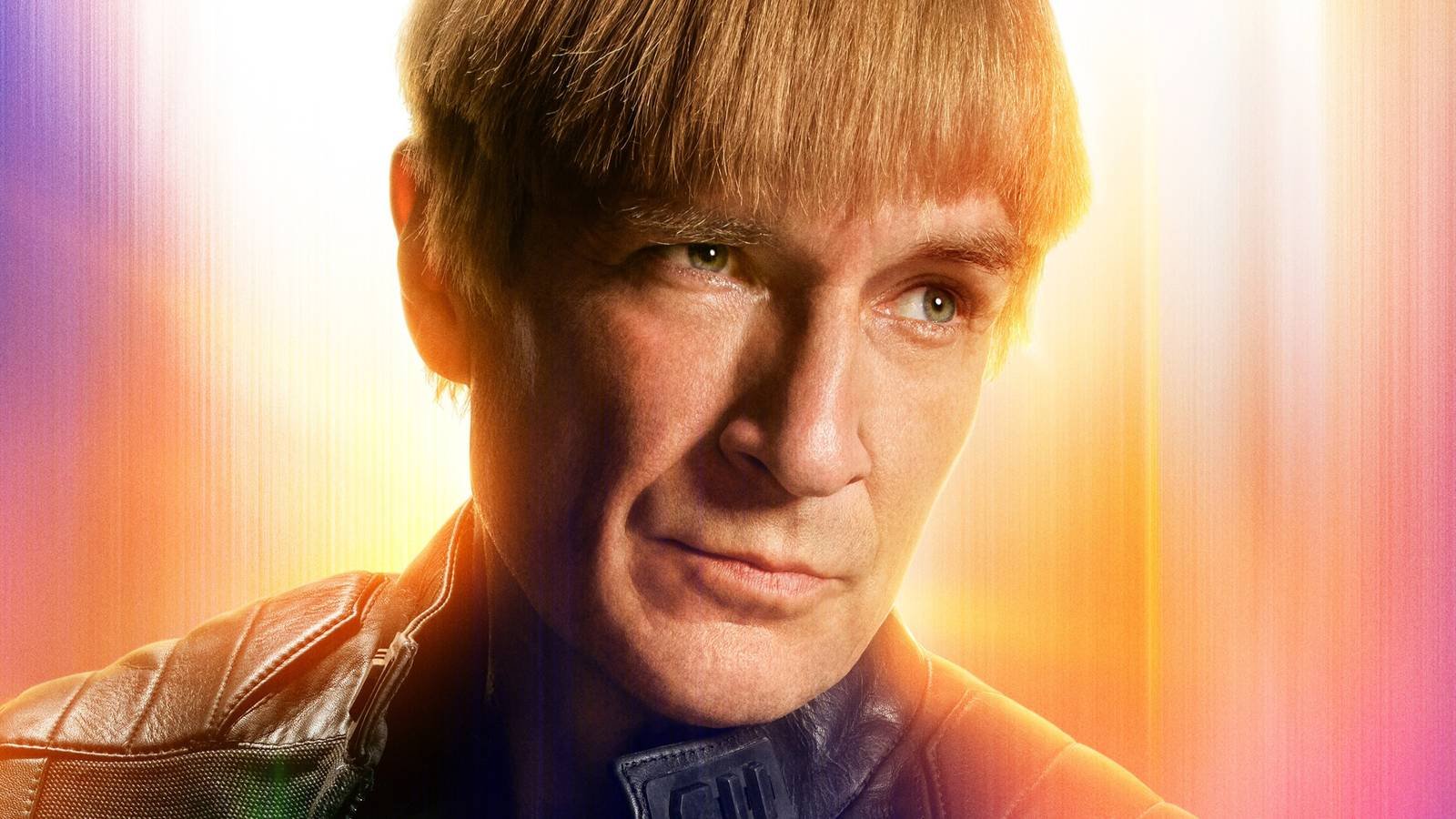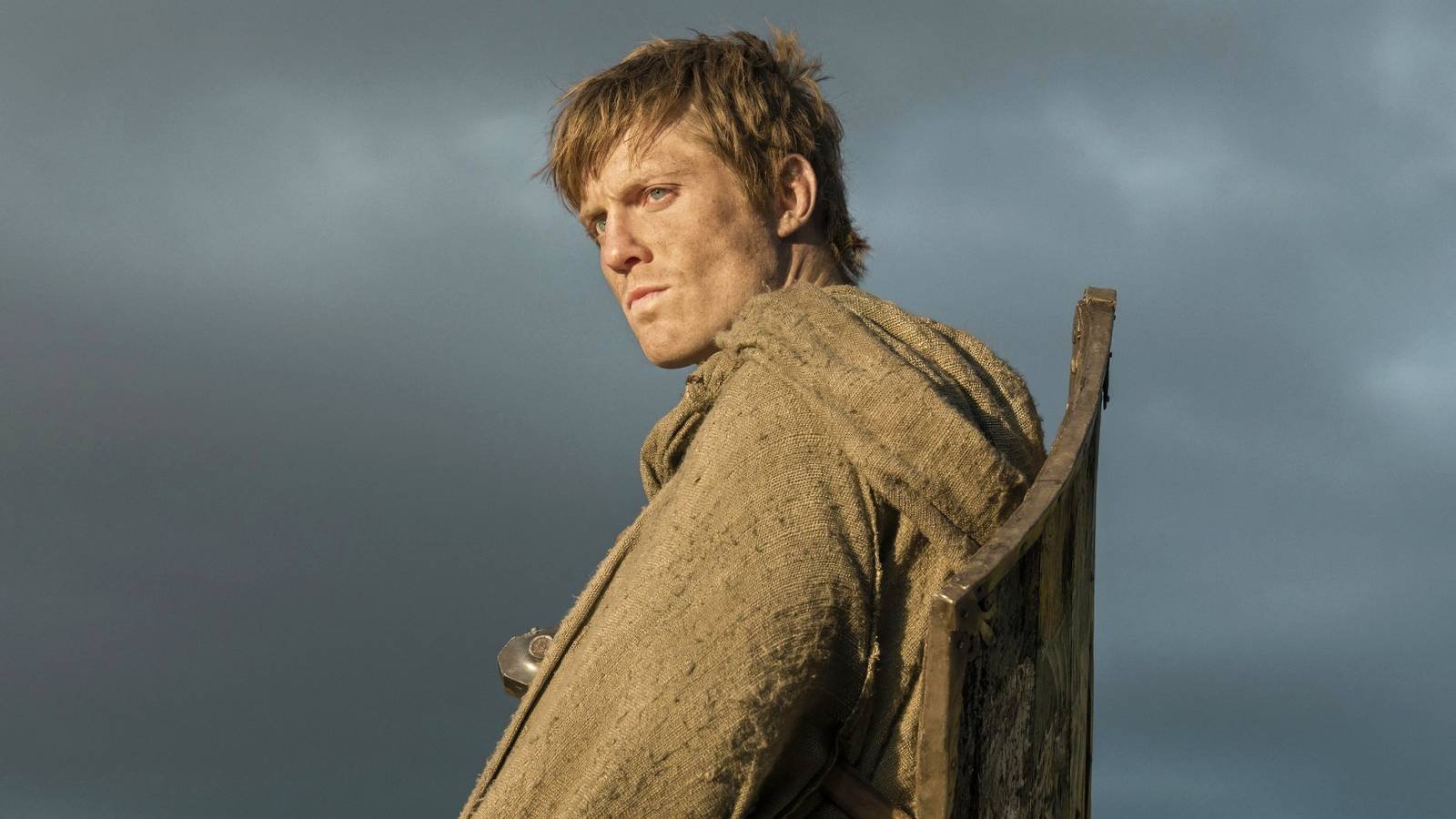

The highly anticipated finale of *The Boys* season 5 delivered on its promise of shocking revelations and visceral action, but perhaps no twist resonated quite as profoundly as the reimagining of the enigmatic Black Noir. Fans of Garth Ennis and Darick Robertson's original comic series entered the final episodes with a specific expectation for the silent Supe's narrative arc, one that would redefine the very foundation of Homelander’s origin. However, the showrunners, known for their bold departures and clever subversions of the source material, opted for an adaptation that, while retaining the spirit of unexpected identity, charted an entirely new and equally impactful course. This decision not only solidified *The Boys*' reputation for narrative innovation but also provided a deeper, more tragic layer to one of its most mysterious characters, leaving both comic purists and new viewers alike reeling from the unexpected turn of events.
The Enigmatic Black Noir in the Television Series
From his first appearance, the television adaptation of Black Noir presented a character shrouded in mystery. Clad in an all-black costume, completely silent, and seemingly unflappable, he served as Homelander's most loyal, and arguably most terrifying, enforcer. His backstory was teased with glimpses of past trauma and a cryptic connection to Soldier Boy, establishing him as a veteran Supe with a complex history. Throughout the series, Noir was depicted as a lethal weapon, an almost robotic figure whose only discernable emotions were conveyed through subtle body language or the occasional flashback to his earlier, more expressive self. This deliberate ambiguity built significant anticipation around his true identity and motivations, fueling fan theories and discussions about how the show would eventually peel back his masked facade. The show carefully crafted this persona, making him a symbol of Vought's shadowy operations and the collateral damage inherent in their pursuit of power, setting the stage for a revelation that would inevitably challenge perceptions.
The Original Comic Book Revelation and its Impact
In the original *The Boys* comic book series, the Black Noir twist is arguably one of the most shocking and brutal revelations in the entire narrative. For much of the series, Black Noir is presented as a seemingly indestructible, silent member of The Seven, an identical counterpart to Homelander in appearance and power, but seemingly more subservient. The monumental revelation comes late in the story: Black Noir is not just another Supe; he is, in fact, an even more perfect clone of Homelander, secretly created by Vought International as a contingency to eliminate Homelander if he ever went rogue. Furthermore, it is revealed that *this* Black Noir, driven mad by his isolated existence and his singular, unfulfilled purpose, was the true perpetrator of Homelander's most heinous acts, including the rape of Becca Butcher. This twist fundamentally recontextualized Homelander's villainy, making him a victim in a twisted way, and escalated the sheer depravity of Vought's experiments to an unimaginable degree, leaving a lasting psychological scar on readers.
Redefining Homelander's Origin
The comic's version of Black Noir served as the ultimate tragic antagonist, a living weapon driven insane by its design. His existence not only deepened the horror of Vought's ambition but also absolved Homelander of some of his most unforgivable transgressions, shifting the blame to his deranged doppelgänger. This narrative choice was designed to complicate reader perception of Homelander, transforming him from a purely evil entity into a character who, despite his immense cruelty, had also been profoundly wronged by his creators. It was a twist that questioned agency, identity, and the very nature of evil within the Supes' world, leaving a profound and indelible mark on the comic's legacy and shaping fan expectations for its adaptation.
Season 5's Unexpected Adaptation of the Twist
Unlike the comics, *The Boys* season 5 finale did not reveal Black Noir to be a Homelander clone. Instead, the show unveiled a far more human, and arguably more tragic, identity for the silent assassin. The series revealed that the Black Noir audiences had come to know was actually a character named Earving, a Supe whose face was disfigured and vocal cords damaged during a traumatic encounter with Soldier Boy decades prior. This backstory was expanded upon through flashbacks, showing Earving as a younger, more vivacious member of Payback, Soldier Boy's original team, whose loyalty and desire for approval ultimately led to his profound injuries and subsequent transformation into the silent enigma. His silence and mask were not merely a stylistic choice but a necessity, a protective shell against the world that had disfigured and discarded him. The twist was less about a shocking hidden identity for *Homelander's crimes* and more about the tragic personal history of a forgotten, broken Supe, a poignant commentary on the expendability of even the most powerful individuals in Vought's ruthless corporate structure.
The Fate of the Show's Black Noir
The television series culminated in a heartbreaking confrontation where Homelander, feeling betrayed by Black Noir's withholding of the truth about Soldier Boy's past and his own history, brutally murders him. This death was particularly poignant because it wasn't the death of a nameless clone or a monstrous doppelgänger, but the end of a damaged individual who, despite his terrifying facade, harbored deep-seated fears and a desperate need for acceptance, particularly from Homelander. The show’s adaptation chose to highlight the personal cost of loyalty and the ultimate loneliness of those who serve the powerful, painting Noir’s demise not as a triumph against pure evil, but as a tragic end to a profoundly damaged life, further cementing Homelander’s escalating cruelty and lack of empathy.
Implications and Narrative Impact of the Show's Choice
The showrunners' decision to diverge so significantly from the comic's Black Noir twist speaks volumes about their vision for *The Boys*. By making Black Noir a distinct character with his own tragic past, they avoided diluting Homelander's culpability for his actions. Instead of finding a scapegoat, the series reinforced Homelander's inherent depravity and the profound loneliness that drives him, making him unequivocally responsible for his own atrocities. This narrative choice allowed the show to explore themes of trauma, loyalty, and the devastating consequences of corporate exploitation from a different, more character-driven angle. It transformed a potential plot device into a deeply sympathetic figure whose silence was a testament to his suffering, not merely an intimidating gimmick. The emotional weight of his death was amplified, contributing to the series' ongoing critique of hero worship and the human toll of unchecked power, resonating more deeply with an audience invested in individual character arcs rather than purely shocking plot devices.
Thematic Resonance: Adaptation vs. Reinvention
*The Boys* has consistently demonstrated a masterful approach to adapting its controversial source material, understanding when to adhere to the comics and when to blaze its own trail. The Black Noir twist exemplifies this philosophy perfectly. While the comic's twist was impactful in its own right, the show's reinvention allowed for a more nuanced exploration of character, adding depth to a figure who, in the comics, was ultimately a narrative extension of Homelander's depravity. The series chose to humanize Black Noir, creating a unique backstory that provided context for his silence and masked persona. This wasn't merely a change for the sake of change, but a deliberate narrative choice to enhance the show's themes of corporate corruption, the psychological scars of Supe life, and the devastating impact of unchecked power on individuals, both heroes and villains alike. It showcased the show's confidence in crafting original narratives that serve its overarching message while still delivering the unexpected twists fans have come to expect.
The finale's revelation regarding Black Noir stands as a testament to *The Boys*' creative ingenuity and its commitment to delivering compelling, character-driven storytelling. By opting for an adaptation that defied fan expectations while retaining the core element of a profound secret identity, the series once again proved its ability to surprise and engage its audience. It deepened the tragedy of Homelander and the moral complexities of Vought's world, cementing Black Noir's place as a uniquely tragic figure within the show's sprawling narrative. For more in-depth analyses, character breakdowns, and the latest news on your favorite series, be sure to keep browsing NAME OF SITE. We delve deeper into the stories that matter, providing the context and insight you need to fully appreciate the intricate worlds of television and film.
Fonte: https://screenrant.com