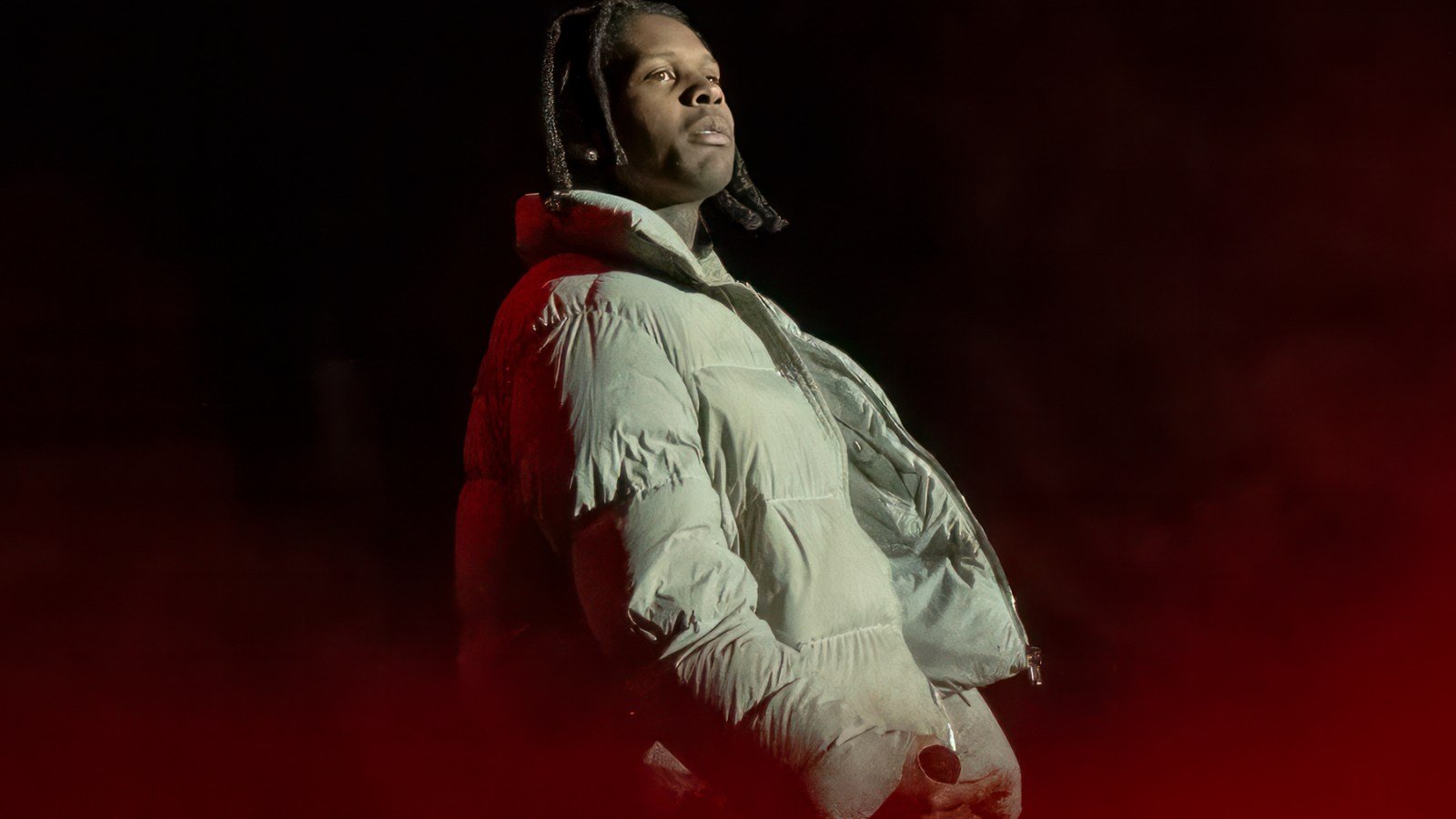

Com John Lennon como musa, o rapper palestino Tamer Nafar conta histórias de passado e futuro.
In a profound convergence of cultural influence and resonant storytelling, Palestinian rapper Tamer Nafar, a trailblazing co-founder of the seminal hip-hop group DAM, has unveiled a new album shaped by deep personal loss and unwavering collective endurance. This latest artistic endeavor sees Nafar, renowned for his raw lyricism and fearless political commentary, drawing inspiration from an unexpected yet powerfully apt muse: the legendary peace activist and musician John Lennon. Through this unique lens, Nafar masterfully weaves together intricate threads of his family's history, the vibrant energy of hip-hop culture, and the stark realities of political witness, crafting a narrative that transcends geographical boundaries and speaks to the universal human experience of struggle and hope.
Tamer Nafar: A Voice of Palestinian Hip-Hop
Tamer Nafar stands as a pivotal figure in the landscape of Arab hip-hop and a significant voice within the global music scene. As one of the driving forces behind DAM – an acronym for Da Arabian MCs, which also means 'blood' in Arabic – Nafar helped pioneer Palestinian hip-hop in the late 1990s. Hailing from Lod, a city within Israel with a significant Palestinian population, DAM emerged as a powerful cultural phenomenon, utilizing hip-hop as a potent medium for expressing the lived experiences, frustrations, and aspirations of Palestinians. Their music, often characterized by its unflinching critique of occupation, social injustice, and systemic discrimination, provided a soundtrack to a generation grappling with identity and displacement. Nafar's lyrical prowess, combined with his group's innovative sound, quickly garnered international attention, solidifying their status not just as musicians but as cultural ambassadors and activists.
Beyond his work with DAM, Nafar has consistently pushed the boundaries of his artistry, engaging in solo projects that further explore complex themes and narratives. His journey reflects a relentless commitment to using music as a tool for social change, a platform to amplify marginalized voices, and a mirror to reflect the multifaceted realities of his people. His collaborations extend beyond music, including his critically acclaimed role in the film "Junction 48," which offered a fictionalized yet deeply authentic portrayal of his life and the challenges faced by Palestinian artists in Israel.
John Lennon as a Guiding Muse
The choice of John Lennon as a muse might initially seem disparate, given the geographical and cultural distances, yet a closer examination reveals profound parallels that resonate deeply with Nafar's artistic vision. Lennon, an icon of peace, rebellion, and artistic integrity, dedicated much of his post-Beatles career to advocating for social justice and global harmony. His anthems like "Imagine" championed a world free from division and conflict, while his protest songs openly challenged governmental authority and societal norms. These themes of challenging the status quo, advocating for peace, and giving voice to the voiceless are precisely what connect Lennon’s legacy to Nafar’s artistic ethos.
Nafar's evocation of Lennon is not merely an homage but a strategic alignment. Lennon’s fearless activism and his ability to translate profound political messages into universally accessible art provide a blueprint for Nafar’s own approach. For Nafar, Lennon represents a spirit of unwavering commitment to truth and justice, even in the face of adversity and criticism. This influence is likely manifested not only in the thematic content of the new album but also in its potential to transcend specific political contexts, aiming for a broader human resonance that echoes Lennon's global appeal for peace and understanding.
Weaving Family History into Collective Memory
A central pillar of Nafar's new work is the meticulous weaving of family history into the larger tapestry of Palestinian collective memory. This is not simply a recounting of personal anecdotes but a profound exploration of how individual narratives are inextricably linked to national struggles. By delving into his lineage, Nafar personalizes the grand narratives of displacement, resilience, and resistance that define the Palestinian experience. This approach provides context for the ongoing political realities, demonstrating how historical events, such as the Nakba of 1948 and subsequent conflicts, have left indelible marks across generations.
Through his lyrics, Nafar likely traces the journeys of his ancestors, chronicling their lives before and after pivotal historical moments, thereby transforming abstract historical facts into palpable human experiences. This method creates an intimate connection with listeners, allowing them to comprehend the profound impact of political strife on families and individuals. It serves as a powerful reminder that behind every statistic and headline are countless personal stories of survival, memory, and an enduring connection to land and heritage. This narrative technique also highlights the importance of oral tradition and artistic expression in preserving history when official records may be contested or silenced.
The Album's Core: Loss and Endurance
The album's conceptual framework, described as being "shaped by loss and endurance," speaks to the profound emotional landscape Nafar navigates. Loss, in the Palestinian context, is multi-faceted: it encompasses the loss of land, homes, and lives due to conflict and displacement, but also the more subtle loss of cultural continuity, normalcy, and the right to self-determination. Nafar confronts these dimensions of loss directly, using his music to articulate the grief, anger, and longing that are inherent to the Palestinian struggle.
Yet, loss is balanced by an equally powerful theme of endurance. This resilience is not passive; it is an active, ongoing process of resistance – cultural, political, and personal. Endurance manifests in the persistence of identity, the preservation of traditions, the continued struggle for justice, and the unwavering hope for a better future. Nafar's music serves as a testament to this spirit, celebrating the ability of a people to not only withstand immense pressure but to also thrive culturally and maintain their humanity amidst adversity. The album likely portrays endurance as an act of creation, where art itself becomes a form of sustained protest and a beacon of hope, much like Lennon's enduring messages of peace.
Hip-Hop as a Medium for Political Witness
For artists like Tamer Nafar, hip-hop is far more than just a musical genre; it is an indispensable tool for political witness and social commentary. Born from urban struggles and marginalized communities, hip-hop's inherent rebellious spirit and direct lyrical style make it uniquely suited to articulate narratives of oppression, resistance, and identity. Nafar leverages this power, transforming his tracks into poignant testimonies of life under occupation, providing a raw and unfiltered perspective that often bypasses mainstream media narratives.
His music acts as a form of cultural journalism, documenting events, emotions, and realities that might otherwise remain unseen or unheard by a global audience. By integrating political witness into his art, Nafar not only raises awareness but also galvanizes his community and connects with international solidarity movements. The rhythm and rhyme serve to make complex political issues accessible and emotionally impactful, fostering empathy and understanding across diverse audiences. This album, with its rich tapestry of personal and collective experiences, solidifies hip-hop's role as a vital medium for bearing witness to historical and contemporary injustices.
The Interplay of Past, Present, and Future
Nafar's album is a masterclass in temporal narrative, carefully navigating the interplay between the past, the present, and the future. The "stories of past" are not merely historical recounts but living memories that continue to shape present-day realities for Palestinians. He illustrates how historical grievances and the ongoing occupation directly influence the daily lives, struggles, and aspirations of individuals and communities. This deep historical grounding provides crucial context for understanding the complexities of the present moment.
Crucially, Nafar also casts an eye towards the "future." This forward-looking perspective injects hope and agency into his narratives, moving beyond mere lamentation to envision possibilities for justice, peace, and self-determination. The album likely explores themes of intergenerational legacy, the hopes parents hold for their children, and the collective dream of a liberated future. By connecting the threads of history to the challenges of today and the dreams of tomorrow, Nafar creates a holistic narrative that is both deeply personal and universally resonant, encouraging listeners to reflect on their own roles in shaping a more just world.
A Profound Statement of Art and Activism
Tamer Nafar’s new album, with John Lennon as an enduring muse, represents more than just a collection of songs; it is a profound artistic statement and an act of unwavering activism. It underscores the power of music to bridge divides, to chronicle personal and collective suffering, and to inspire resilience. By blending intimate family histories with the broader political landscape, Nafar not only shares the Palestinian narrative but also connects it to universal themes of human dignity, justice, and the yearning for peace. This work solidifies his position as a crucial voice in contemporary global music, one that continues to challenge, inform, and move audiences through the authentic power of his storytelling.
To delve deeper into the intersection of music, politics, and culture, and to explore more stories that resonate with the spirit of artists like Tamer Nafar and his impactful album, continue browsing NAME OF SITE. Discover more in-depth analyses, exclusive interviews, and critical reviews that illuminate the powerful role of art in shaping our world.
Fonte: https://www.rollingstone.com