The landscape of television is a constantly evolving tapestry, rich with narratives that captivate, challenge, and sometimes, leave us yearning for more. Revisiting shows from a bygone era, particularly those from the early 2000s, often presents a complex experience. It is a journey back through cultural touchstones and personal nostalgia, frequently revealing both enduring brilliance and the inevitable stylistic shifts of time. Yet, for certain series, this re-engagement in 2026, some 17 years after their original debut, can evoke a peculiar frustration, not merely due to dated production values but because of narratives left agonizingly incomplete. One such example is ABC's high-concept sci-fi thriller, "FlashForward."
A Premise That Gripped the World
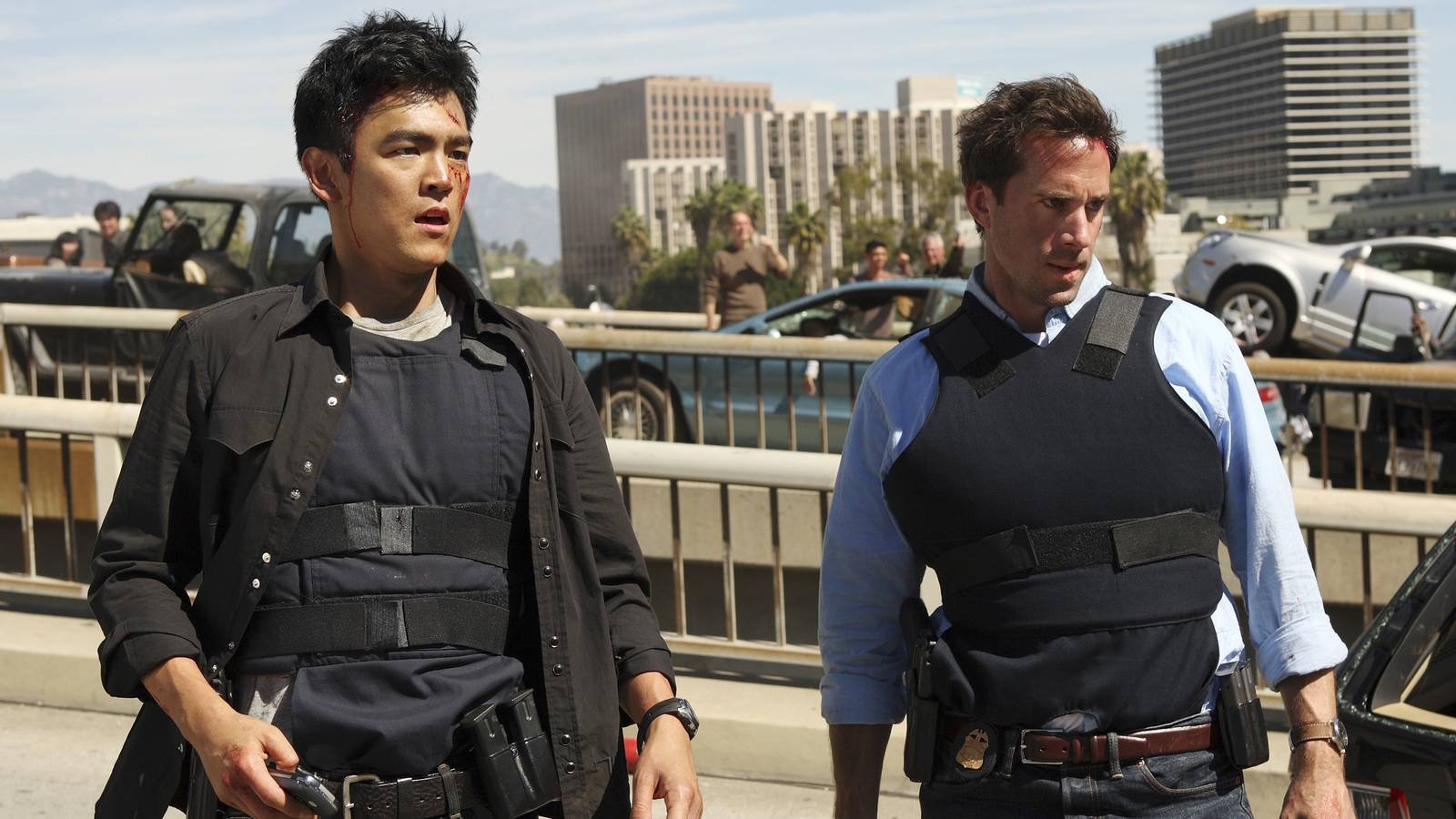
Debuting in the fall of 2009, "FlashForward" arrived with a premise as ambitious as it was intriguing: every person on Earth simultaneously loses consciousness for exactly two minutes and seventeen seconds, experiencing a brief, vivid vision of their life six months in the future. This unprecedented global event, dubbed the "FlashForward," plunges humanity into chaos and introspection. The series centered on a team of Los Angeles FBI agents, led by Mark Benford (Joseph Fiennes), who are tasked with investigating the cause of the blackout while grappling with their own future visions. For Benford, his vision shows him investigating the FlashForward itself, suggesting a predefined path he is now compelled to follow. For his partner, Demetri Noh (John Cho), his future vision is disturbingly absent, indicating he may not live to see that day.
Based on the 1999 novel of the same name by Canadian science fiction writer Robert J. Sawyer, the series took the core concept and expanded it significantly for episodic television. The show masterfully explored the philosophical implications of a predetermined future versus free will, asking whether humanity could alter its fate, or if all actions merely served to fulfill the prophecies seen during the blackout. This intellectual depth, combined with a rapidly unfolding mystery, immediately set "FlashForward" apart as a thought-provoking entry in the genre, promising a grand, overarching narrative that would challenge viewers week after week.
The Allure and Execution of Its Sole Season
Upon its premiere, "FlashForward" garnered considerable buzz, drawing comparisons to other high-concept mystery dramas of the era, notably "Lost." Its pilot episode, which depicted the harrowing moments of the global blackout and the immediate aftermath, was praised for its intensity, strong direction, and compelling performances from a talented ensemble cast that also included Sonya Walger, Courtney B. Vance, and Jack Davenport. The show's narrative structure skillfully interwove multiple character arcs, each grappling with the personal consequences of their future visions, from joyous reunions to impending heartbreak and death. This balance between a sprawling global mystery and intimate human drama was a significant strength, creating a relatable entry point into its fantastical premise.
Throughout its single season, "FlashForward" adeptly maintained a sense of urgency and intrigue. The FBI team pieced together clues about the blackout's origin, encountering enigmatic figures like "D. Gibbons" and uncovering a clandestine organization potentially linked to the event. The series posed difficult moral questions, such as whether individuals should intervene to prevent tragic events foretold in their visions, or if doing so would paradoxically lead to the very outcome they sought to avoid. The production values were consistently high, presenting a cinematic quality that elevated the storytelling and immersed audiences in its speculative world. The season built towards a climactic finale that promised even greater revelations and conflicts, leaving viewers eager for what was next.
The Unbearable Frustration of an Abrupt End
Despite its initial promise and a dedicated fanbase, "FlashForward" ultimately succumbed to the harsh realities of network television. After a strong premiere, viewership began to decline, particularly after a mid-season hiatus. Coupled with high production costs and a changing executive landscape at ABC, the network made the difficult decision to cancel the series after its first, and only, 22-episode season. This cancellation was a crushing blow for both its creators and its audience, leaving a meticulously constructed narrative tragically unfinished.
For a show so heavily reliant on intricate mysteries and long-form storytelling, the abrupt cancellation meant that countless plot threads were left dangling, character arcs remained unresolved, and the central enigma of the global blackout received only partial answers. Viewers who had invested in the compelling concept and developed connections with the characters were left with a profound sense of narrative void. The finale, designed to propel the story into a second season with another catastrophic event – a second, even more distant flashforward – became instead a tantalizing glimpse of a future that would never be fully explored, transforming a thrilling journey into a frustratingly incomplete artifact of television history.
Its Lingering Legacy in 2026
Seventeen years later, revisiting "FlashForward" in 2026 is a bittersweet experience. The core concept remains as compelling and thought-provoking as ever. The philosophical debates about fate versus free will, the psychological impact of knowing one's future, and the global implications of such an event continue to resonate. The performances hold up, and the initial production quality is still commendable. Yet, this appreciation is perpetually overshadowed by the inescapable knowledge of its premature end. Watching the intricate plots unfold, the character dilemmas deepen, and the mysteries multiply, one cannot help but feel a growing sense of melancholy for what could have been.
The show serves as a poignant reminder of television's often brutal ecosystem, where creative ambition can be cut short by commercial pressures. It joins the ranks of other beloved, high-concept series like "Firefly" that were canceled before reaching their narrative zenith. For fans, the rewatch is a poignant exercise in appreciating the craft while simultaneously mourning the lost potential. Every unanswered question, every tantalizing clue that was meant to lead somewhere, now serves as a monument to a story that was never fully told, making the experience of revisiting "FlashForward" in 2026 not just nostalgic, but profoundly frustrating.
The landscape of television is vast, filled with both celebrated triumphs and intriguing 'what ifs' like "FlashForward." Dive deeper into the shows that shaped the genres we love, explore new releases, and uncover hidden gems by continuing your journey through the extensive archives and analyses available right here on NAME OF SITE. Your next favorite (or frustratingly unfinished) story awaits.
Fonte: https://screenrant.com