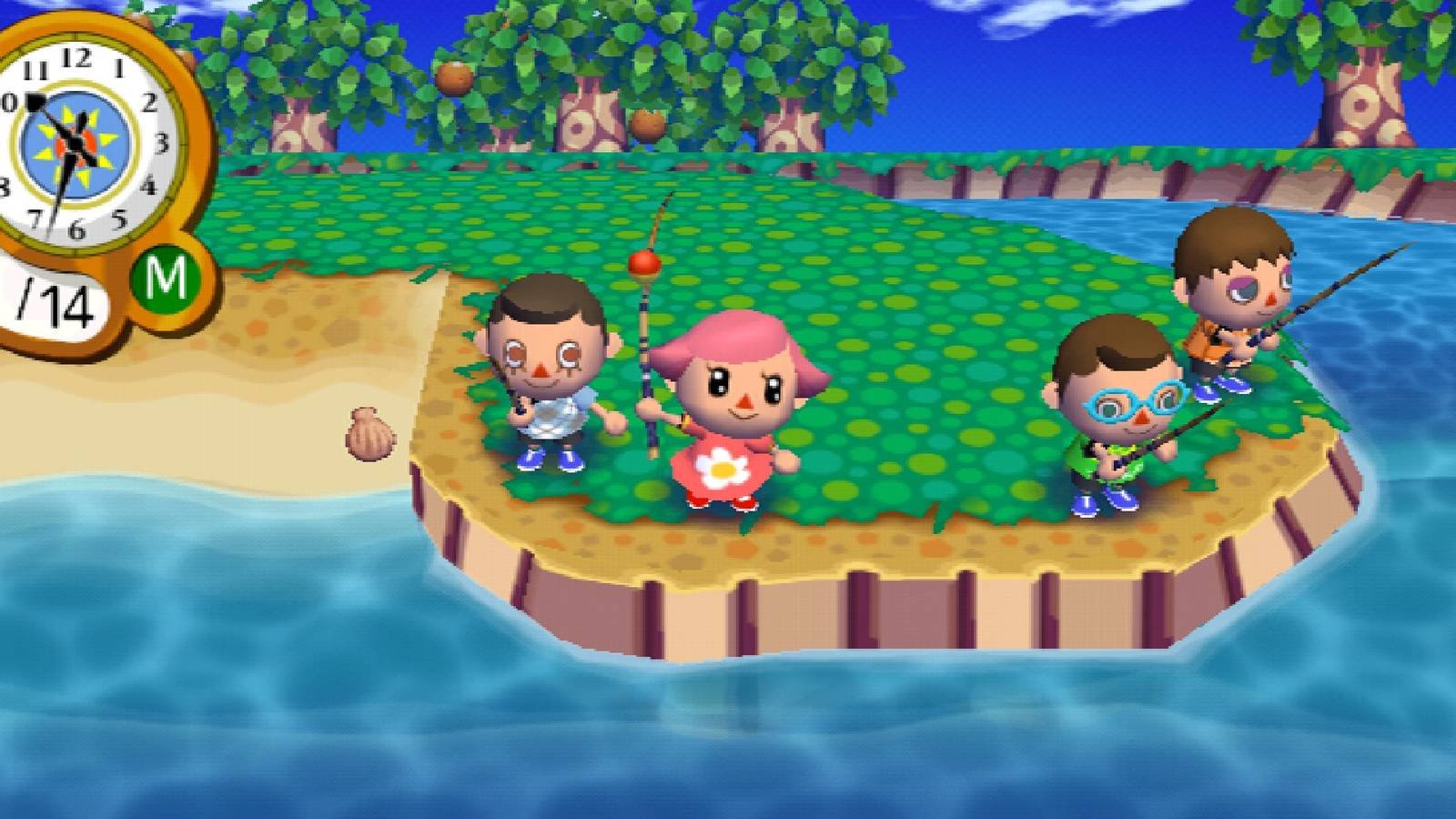
The highly beloved Animal Crossing franchise, a cornerstone of Nintendo's casual gaming appeal, finds itself at a fascinating juncture. While fans eagerly anticipate the next evolution of their virtual lives, a significant segment of the community has coalesced around an unexpected vision for the series' future: a hypothetical 'Animal Crossing: City Folk Deluxe.' This imagined title, building upon the foundations of the 2008 Wii installment, represents a collective desire for a specific blend of nostalgia, refined mechanics, and expanded content, suggesting that for many, the 'perfect' version of the game might already exist in spirit, awaiting a modern reimagining.
The franchise experienced an unprecedented surge in popularity with the release of Animal Crossing: New Horizons in March 2020. Its arrival coincided precisely with the onset of global lockdowns, providing millions with a much-needed escape, a tranquil digital haven where they could customize islands, interact with charming animal villagers, and engage in a soothing routine of fishing, bug-catching, and home decoration. The game’s timing was serendipitous, offering solace and connection during a period of widespread isolation, quickly becoming a cultural phenomenon that transcended typical gaming demographics. Its intricate customization options, robust multiplayer features, and continuous content updates solidified its place as one of Nintendo Switch’s best-selling titles.
The Enduring Appeal of 'New Horizons' and the Quest for More
Animal Crossing: New Horizons undeniably redefined the series for a new generation. It introduced an unparalleled level of creative freedom, allowing players to terraform entire islands, place furniture outdoors, and craft items from raw materials—features that were largely absent or rudimentary in previous iterations. This emphasis on player agency and design quickly fostered a vibrant online community, sharing intricate island designs, custom clothing patterns, and innovative gameplay strategies. However, as is often the case with long-running franchises, the very success and exhaustive engagement with 'New Horizons' inevitably led players to ponder what could come next. After hundreds, if not thousands, of hours invested in island development, the natural inclination for many is to seek fresh experiences, whether through new mechanics, different settings, or a return to beloved elements from older titles that might have been absent in the latest installment.
Despite its groundbreaking success, some veteran players occasionally expressed a longing for certain characteristics present in previous Animal Crossing games. This sentiment isn't a critique of 'New Horizons' but rather an acknowledgment of the distinct flavors each game in the series has offered. The desire for a new game isn't merely about more content; it's about exploring different design philosophies and gameplay loops that have, over time, become cherished memories for the community. It’s this nuanced appreciation for the series' history that fuels the imaginative concept of 'City Folk Deluxe,' positioning it as a potentially richer, more diverse experience for both new and long-time fans.
Unpacking the 'City Folk Deluxe' Phenomenon
At its heart, the 'City Folk Deluxe' concept is a testament to the lasting impact of Animal Crossing: City Folk (known as Animal Crossing: Let's Go to the City in PAL regions), originally released for the Wii in 2008. This installment was notable for introducing the series' first truly distinct external hub: a bustling city area accessible by bus. This city provided unique shopping opportunities at GracieGrace, the auction house, and the theater, along with various characters and services not found in the player’s home town. Unlike 'New Horizons,' where all commerce and amenities are integrated into the island, 'City Folk' offered a clear distinction between the quiet, rural town and the vibrant, commercial city. This design choice provided a different rhythm to daily gameplay, encouraging players to commute and explore beyond their immediate surroundings.
The Allure of the City and Nostalgia
The imagined 'Deluxe' version would ideally amplify these unique features. Fans envision updated graphics that bring the city to life with modern fidelity, quality-of-life improvements inherited from 'New Horizons' (such as streamlined inventory management or expanded customization for player homes), and perhaps even entirely new city districts or shops. The appeal isn't just nostalgia for the original game, but a recognition of 'City Folk's' distinctive approach to world-building and player interaction. While 'New Horizons' emphasized an emergent, player-driven narrative of building an island from scratch, 'City Folk' offered a more structured environment, a pre-existing town with its own established rhythm and a separate, dynamic urban center. For many, this balance between a cozy hometown and an exciting commercial hub represents an ideal evolution of the Animal Crossing formula.
Furthermore, 'City Folk' introduced several beloved characters and events, some of which did not make a full return or were significantly altered in 'New Horizons.' A 'Deluxe' iteration would provide an opportunity to reintroduce these elements with contemporary flair, satisfying both veterans who miss them and new players curious about the series' rich history. The idea also taps into the broader gaming trend of remasters and remakes, where beloved titles are revitalized for modern platforms, often with expanded content and enhanced accessibility, offering a bridge between generations of players.
Bridging Eras: Design Philosophies and Player Expectations
The discussion around 'City Folk Deluxe' highlights a fascinating divergence in design philosophy within the Animal Crossing series. 'New Horizons' championed ultimate player freedom and terraforming, placing the onus on players to create their perfect paradise from a deserted island. In contrast, 'City Folk' (and its predecessors) provided a more structured world, a pre-generated town that players could influence but not entirely overhaul. The central city served as a hub of activity and commerce, a destination rather than a canvas. Both approaches have their distinct merits and resonate with different player preferences. The yearning for a 'Deluxe' version of 'City Folk' suggests a desire among players for a return to this structured charm, perhaps integrating the customization possibilities of 'New Horizons' within a more established, diverse environment that includes a vibrant urban core.
From Nintendo's perspective, the decision to revisit an older title with a 'Deluxe' treatment would involve significant logistical and creative considerations. While the commercial success of remakes in the industry is undeniable, the Animal Crossing franchise typically progresses with entirely new iterations, introducing novel concepts and platforms. However, the consistent community discussion around 'City Folk Deluxe' underscores a clear market demand for such an experience. It signals that players are not just looking for 'more' Animal Crossing; they are looking for specific types of experiences and features that have resonated deeply with them throughout the series' history.
The Road Ahead for Animal Crossing
The vibrant discussion surrounding a hypothetical 'Animal Crossing: City Folk Deluxe' serves as a powerful indicator of the franchise's enduring impact and the passionate engagement of its player base. It's more than just a call for a simple remake; it's a profound statement about the specific elements and design choices that have captivated players over the years. Whether Nintendo decides to revisit older titles with a modern twist, or continues to forge ahead with entirely new concepts, the community's imaginative vision of 'City Folk Deluxe' offers invaluable insight into player desires for rich, diverse gameplay experiences that balance nostalgic charm with contemporary innovation.
This collective dream for a 'Deluxe' version showcases the dynamic relationship between game developers and their audience, where player feedback, even in speculative forms, can shape future expectations and even influence creative directions. As the Animal Crossing universe continues to evolve, the conversations surrounding beloved past entries like 'City Folk' will undoubtedly play a significant role in defining what players hope to see in the charming, wholesome world of their next virtual home.
Dive deeper into the world of Animal Crossing and other beloved gaming franchises by exploring more in-depth analyses and news features right here on NAME OF SITE. From retrospective looks at classic titles to breaking news on upcoming releases, our extensive library of content is designed to keep you informed and entertained. Don't miss out on the latest insights—continue browsing and join our community of passionate gamers today!
Fonte: https://screenrant.com