
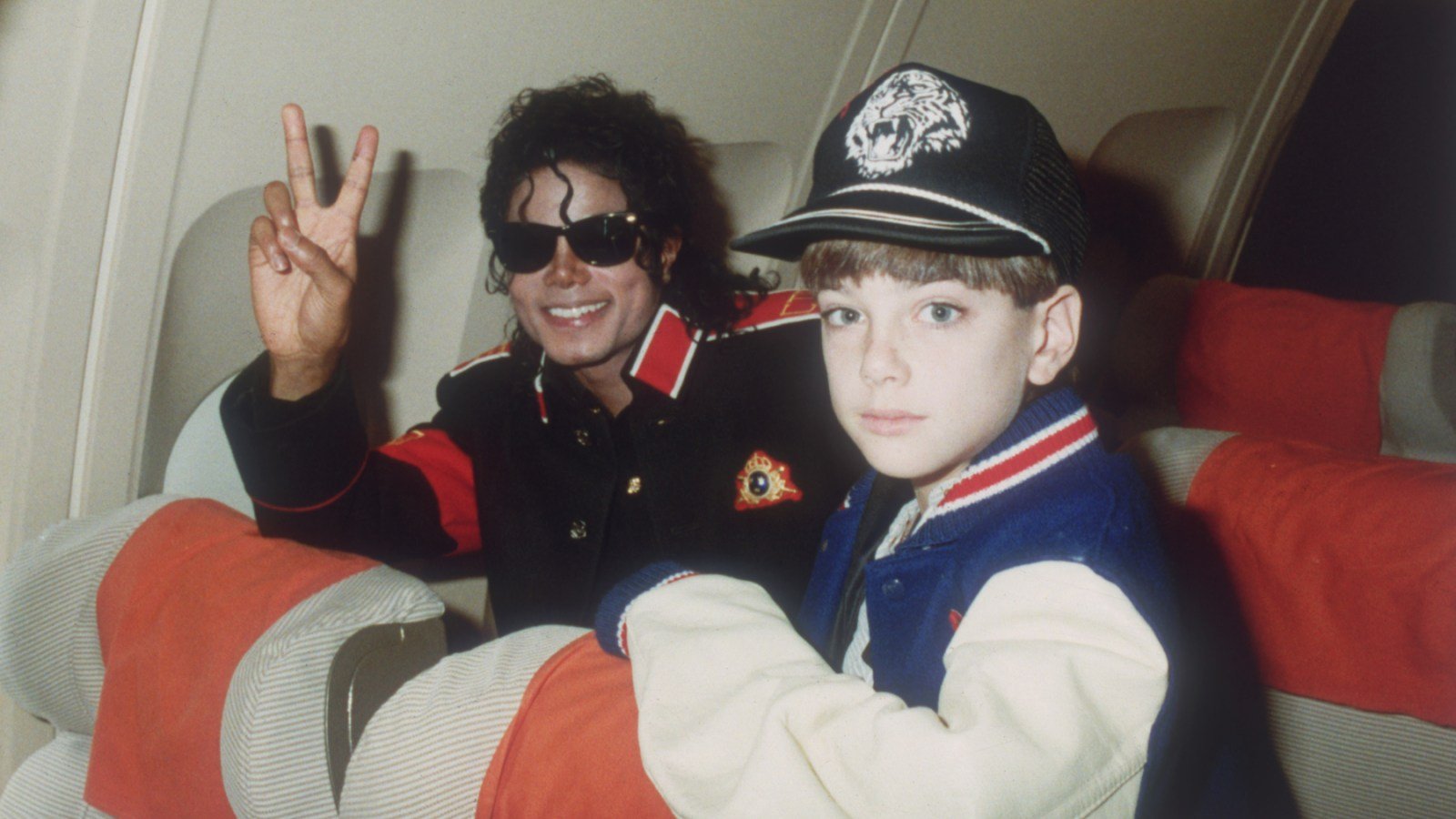
The upcoming Michael Jackson biopic, poised to delve into the life and unparalleled career of the 'King of Pop,' finds itself under intense scrutiny even before its release. Spearheading this critical examination is Dan Reed, the Emmy-winning director behind the controversial HBO documentary 'Leaving Neverland.' Reed's recent remarks reveal a profound skepticism regarding the biopic's potential to offer an honest and comprehensive portrayal of Jackson, especially concerning the long-standing allegations of child sexual abuse. His pointed questions, drawing stark parallels to figures like Harvey Weinstein and Jeffrey Epstein, underscore a significant ethical debate about artistic responsibility, historical accuracy, and the uncomfortable tension between celebrating genius and confronting alleged misconduct. Reed's intervention challenges filmmakers and audiences alike to consider the moral implications of selective storytelling, particularly when dealing with legacies as complex and polarizing as Michael Jackson's.
O diretor de ‘leaving neverland’ expressa muitas ressalvas sobre a nova cinebiografia de michael jackson
The Enduring Shadow of 'Leaving Neverland'
Dan Reed's perspective is deeply rooted in his experience crafting 'Leaving Neverland,' a two-part documentary released in 2019. The film featured detailed testimonies from Wade Robson and James Safechuck, who alleged that Michael Jackson sexually abused them as children. The documentary sparked a global resurgence of the debate surrounding Jackson's legacy, dividing fans, critics, and the public. While it garnered widespread acclaim for its journalistic rigor and emotional impact, it also faced fierce criticism from Jackson's estate and loyal fans, who vehemently denied the allegations and labeled the film a biased hit piece. Reed, therefore, approaches the subject of any Jackson-centric production from a unique vantage point, having been at the center of a major media firestorm that forced a reconsideration of the pop icon's life through a darker lens. His current critique is not merely an opinion but an informed apprehension shaped by years of investigation and public engagement with the very allegations the biopic might choose to downplay or omit.
Crafting a Legacy: The Michael Jackson Biopic
The upcoming biopic, titled 'Michael,' is produced by Graham King, known for 'Bohemian Rhapsody,' and directed by Antoine Fuqua. It is reportedly being made with the full cooperation of the Michael Jackson estate, which naturally suggests an approach that will likely highlight his unparalleled musical genius, groundbreaking performances, and philanthropic endeavors. The film aims to chronicle his journey from childhood stardom with the Jackson 5 to his monumental success as a solo artist, culminating in his tragic death in 2009. While details about the script's treatment of the abuse allegations remain under wraps, the estate's involvement raises legitimate concerns among critics like Reed that the narrative might prioritize a celebratory, unblemished portrayal of Jackson, potentially sidestepping or minimizing the significant controversies that have indelibly marked his public image and personal story.
The Biopic's Narrative Challenge
The challenge for any biographical film about Michael Jackson lies in balancing his immense artistic contributions with the profound accusations that plagued him for decades. To ignore these allegations would be to present an incomplete, and arguably misleading, picture of a man whose life was perpetually intertwined with both adoration and intense controversy. A truly comprehensive biopic would need to navigate these complexities with nuance and integrity, acknowledging the allegations and their impact without necessarily endorsing them as fact. The question then becomes whether a film produced with the estate's cooperation can achieve this delicate balance, or if it will inevitably lean towards a more sanitized, hagiographic account, thereby missing an opportunity for deeper cultural reflection on fame, power, and accountability.
Dan Reed's Ethical Quandary: Glorification or Truth?
Reed's most striking comments revolve around the ethical obligations of filmmakers. His provocative analogy asks, "Would these people be part of a movie that glorified the films of Harvey Weinstein without ever mentioning that he raped women? [Or] a great promotional film about the charitable works of Jeffrey Epstein?" This comparison is designed to shock and to highlight what Reed perceives as a fundamental moral failing: the potential to sanitize or glorify a public figure while deliberately omitting serious, widely publicized allegations of misconduct. He equates such an approach not merely to artistic license but to a form of historical revisionism that actively misleads the audience. For Reed, the Weinstein and Epstein examples serve as potent reminders of how an incomplete narrative can inadvertently become an endorsement, shaping public perception in a way that is divorced from uncomfortable truths.
The Perils of Selective Storytelling
The ethical implications of selective storytelling extend far beyond a single film. When biopics, particularly those concerning revered figures, choose to overlook significant controversies, they risk distorting public memory and diminishing the gravity of allegations made by victims. This is particularly sensitive in cases like Jackson's, where the alleged victims' narratives have been amplified through documentaries and legal proceedings. Reed's concern is that by presenting an exclusively positive image, the biopic might inadvertently invalidate or silence those voices, perpetuating a narrative that prioritizes celebrity protection over a truthful representation of events. The power of cinema to shape perception is immense, and therefore, the responsibility to wield that power judiciously, especially when dealing with such profound human experiences, becomes paramount.
Biopics, Public Memory, and Artistic Responsibility
The debate surrounding the Michael Jackson biopic touches upon broader questions regarding the nature of biographical filmmaking and its role in shaping public memory. Biopics inherently offer a curated version of reality, often aiming to entertain and inspire. However, when the subject is embroiled in profound ethical questions, the stakes for historical accuracy and narrative integrity are considerably higher. Filmmakers face the complex task of navigating artistic freedom with an ethical responsibility to present a story that, while perhaps not fully impartial, is at least aware of and responsive to the full spectrum of a subject's life. This ongoing tension is amplified in an era where societal expectations for accountability and transparency are increasingly stringent, demanding that art not shy away from confronting difficult truths, even those that challenge deeply held admirations.
Navigating a Complex Legacy
Michael Jackson's legacy is undeniably complex, marked by unparalleled musical achievements and enduring accusations. Any film attempting to capture his life faces the unenviable task of reconciling these disparate elements. Reed's critique serves as a poignant reminder that true artistic courage lies not in avoiding discomfort but in confronting it head-on. As audiences anticipate the biopic, the discussion sparked by Dan Reed ensures that the conversation extends beyond mere entertainment, compelling us to consider the deeper responsibilities that come with immortalizing iconic figures and the narratives we choose to tell about them. It forces a critical look at how we, as a society, grapple with the legacies of those whose brilliance was shadowed by profound controversy.
The debate over the Michael Jackson biopic underscores a vital conversation about the integrity of storytelling in contemporary media. As the film progresses towards its release, the scrutiny from voices like Dan Reed will undoubtedly continue to challenge its narrative choices and provoke audiences to consider the full, multifaceted truth of the King of Pop’s life. For more in-depth analyses of cultural debates, film critiques, and celebrity legacies, continue exploring the rich content available right here on NAME OF SITE.
Fonte: https://www.rollingstone.com