In an exclusive series of conversations moderated by Variety, in partnership with Netflix, some of the most influential directors behind the streaming giant’s recent hits convened to offer a rare glimpse into their creative processes and the intricate art of storytelling. This unique gathering brought together minds responsible for shaping some of the year's most talked-about narratives, delving into the critical techniques that captivate audiences and the courage required to pursue unconventional ideas.
Among the celebrated filmmakers sharing their insights were Antonio Campos, acclaimed for his work on “The Beast In Me”; Max Winkler, director of “Monster: The Ed Gein Story”; and Alexandria Stapleton, who helmed the compelling documentary on “Sean Combs.” Their collective experiences span diverse genres, from psychological thrillers to true crime and biographical narratives, providing a rich tapestry of perspectives on what makes a story resonate deeply with viewers in today’s saturated content landscape. The discussions underscored a shared philosophy: that compelling content is born from a meticulous understanding of narrative structure combined with an unwavering commitment to authenticity and creative audacity.
The Anatomy of Compelling Narrative: Insights from the Directors
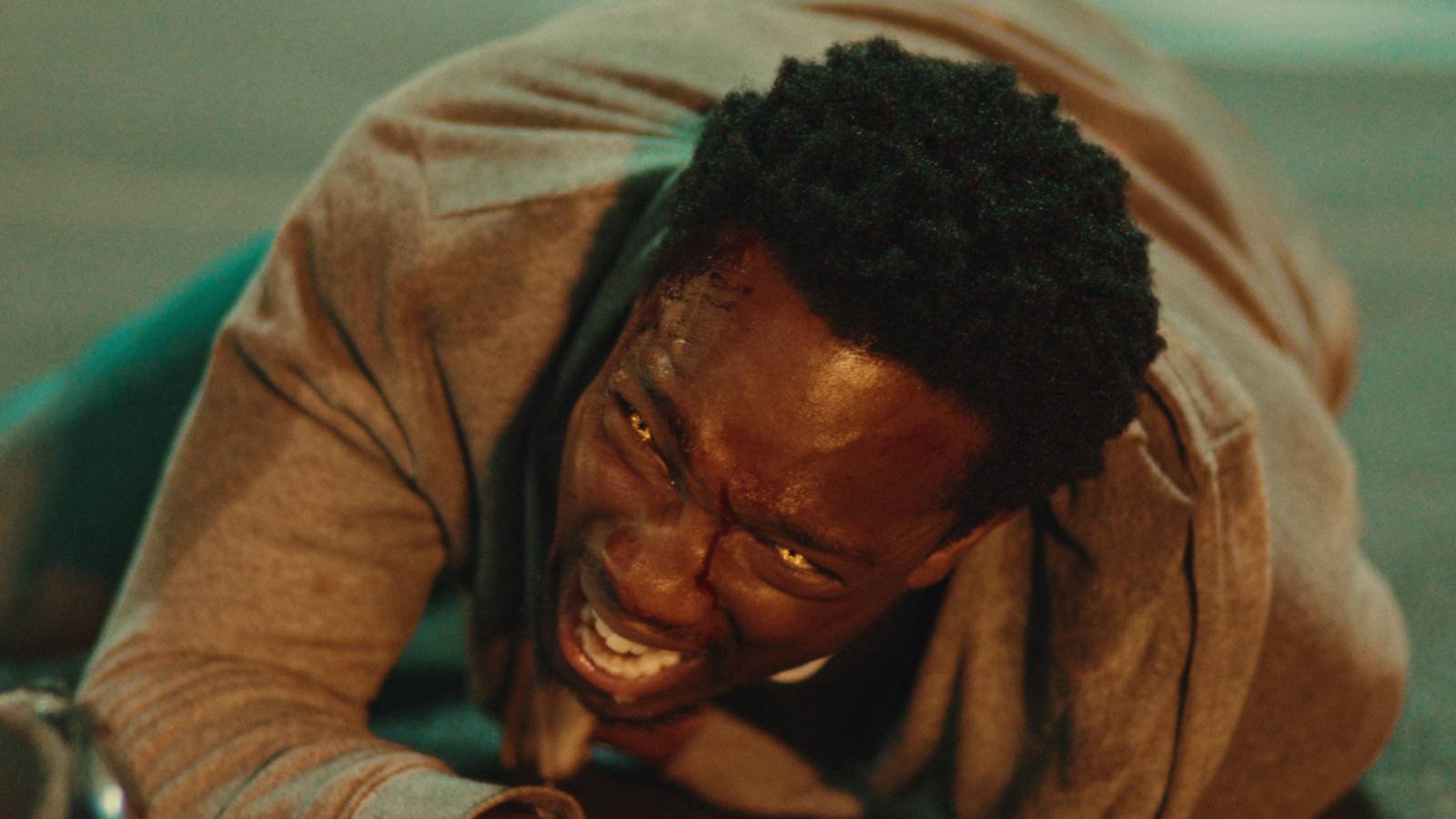
The conversation initiated a deep dive into the 'how' of storytelling, moving beyond mere plot summaries to dissect the underlying mechanics. Antonio Campos, known for his ability to craft unsettling atmospheres and complex characters, elaborated on the subtle art of building tension. He emphasized that true suspense isn't just about jump scares or sudden reveals, but about meticulously planting seeds of dread and moral ambiguity throughout a narrative. For “The Beast In Me,” this involved a careful balance of psychological exploration and dramatic pacing, forcing viewers to confront uncomfortable truths alongside the characters. His approach highlights how narrative structure can be a powerful tool for emotional manipulation, guiding the audience through a prescribed emotional journey.
Max Winkler, whose work on “Monster: The Ed Gein Story” plunged into the chilling depths of a notorious serial killer's psyche, discussed the responsibility and challenges of dramatizing real-life horrors. He stressed the importance of extensive research and a commitment to factual accuracy, even when dealing with disturbing subject matter. Winkler articulated that portraying such stories demands an ethical consideration for the victims and their families, ensuring that the narrative serves to understand, rather than merely sensationalize. His technique often involves exploring the socio-economic and psychological environments that foster such dark trajectories, adding layers of context to events that might otherwise seem inexplicable.
Alexandria Stapleton, director of the documentary on “Sean Combs,” offered insights into crafting non-fiction narratives that are both informative and deeply engaging. Her work demands an acute ability to navigate extensive archival footage, interviews, and real-world events to construct a cohesive and revealing portrait of a public figure. Stapleton underlined the significance of finding the human story within the public persona, exploring the motivations, triumphs, and vulnerabilities that define an individual's journey. This often involves a delicate balance of journalistic integrity and narrative flair, ensuring the documentary feels like a compelling story rather than a mere factual recount.
Embracing 'Weird Ideas': The Catalyst for Innovation
Perhaps the most inspiring aspect of the discussion revolved around the directors' shared philosophy of embracing 'weird ideas.' In an industry often prone to formulaic approaches, these filmmakers championed the value of originality and creative risk-taking. Antonio Campos defined a 'weird idea' not as something strange for strangeness's sake, but as an unconventional angle or perspective that challenges established tropes. For him, it’s about finding the narrative potential in discomfort or the unexplored, pushing boundaries to create something truly distinctive and memorable, rather than simply replicating past successes.
Max Winkler echoed this sentiment, suggesting that 'weird ideas' are often the ones that spark the most profound discussions and leave a lasting impact. He pointed out that some of the most iconic stories in film history began as concepts that might have been dismissed as too niche, too dark, or too experimental. The willingness to pursue these ideas, even in the face of initial skepticism, is what ultimately leads to groundbreaking content that reshapes audience expectations and cultural conversations. This involves a collaborative environment where creatives feel empowered to propose audacious concepts without fear of immediate rejection.
Alexandria Stapleton added that even in documentary filmmaking, where adherence to truth is paramount, 'weird ideas' can manifest as unconventional narrative structures or an unexpected focus within a well-known story. She described how approaching a biographical subject like Sean Combs with a fresh lens, digging into lesser-known aspects or connecting disparate events in a new way, can transform a standard profile into a deeply insightful and innovative piece of journalism. It's about finding the unique hook that distinguishes a story and makes it essential viewing for a contemporary audience.
The Collaborative Ecosystem of Netflix and Beyond
The panel also highlighted the crucial role of collaborative platforms like Netflix and partnerships with media entities like Variety. Netflix's global reach and willingness to invest in diverse, often challenging, projects provide a fertile ground for directors to experiment with their 'weird ideas.' The discussions made clear that the streaming model, with its emphasis on subscriber engagement and a broad content library, encourages a wider spectrum of storytelling, moving beyond traditional box-office constraints. This freedom allows filmmakers to pursue narratives that might not fit neatly into conventional theatrical release windows but find a dedicated audience online.
The Variety-Netflix collaboration itself exemplifies this ecosystem, creating a space for critical discourse and mutual learning within the industry. By bringing these creative leaders together, the partnership fosters an environment where best practices are shared, challenges are openly discussed, and the future of narrative entertainment is collectively envisioned. Such forums are vital for the continuous evolution of filmmaking, ensuring that talent and innovative concepts are nurtured and given the platform they deserve to reach millions of viewers worldwide. This synergy between content creators, distributors, and journalistic platforms is fundamental to elevating the craft.
The Enduring Impact of Bold Storytelling
The combined wisdom shared by Campos, Winkler, and Stapleton illustrates a powerful truth: that the most impactful stories are those told with conviction, creativity, and a willingness to explore the unknown. Whether unearthing the darkness within human nature, constructing gripping thrillers, or meticulously documenting lives, these directors underscore that the emotional resonance and lasting impression of a piece of content stem from a deep respect for the narrative craft and a courageous embrace of originality. Their insights serve as a blueprint for aspiring filmmakers and a reaffirmation for seasoned professionals on the enduring power of a well-told story, especially one that dares to be different.
For more in-depth analyses of filmmaking trends, exclusive interviews with industry pioneers, and reviews of the latest and most innovative content hitting your screens, continue exploring NAME OF SITE. Dive deeper into the world of entertainment and discover the stories behind the stories that move, challenge, and inspire us all.
Fonte: https://variety.com