In the sprawling, interconnected narratives of DC Comics, the concept of legacy is a foundational pillar. It's an idea that transcends generations, with mantles like Green Lantern, the Flash, and Doctor Mid-Nite passing from one hero to the next, evolving their missions and continuing their fight for justice. This intergenerational continuity not only enriches the heroic landscape but also introduces a unique challenge: villains who, too, perpetuate a legacy. Far from being mere one-off antagonists, legacy villains represent a persistent, evolving threat, taking the established sins of their predecessors and adapting them for a new era. They embody inherited power, ambition, or malice, often forcing heroes to confront not just an individual adversary, but an ongoing ideological or physical menace that has roots stretching back decades, if not centuries.
While legacy heroes are widely celebrated, the concept of a legacy villain, though perhaps less obvious, is equally prevalent and impactful within the DC Multiverse. These are characters who either directly inherit a name and mantle, or whose actions and influence are so profound that they inspire successors to carry on their nefarious work. They represent the enduring nature of evil, the idea that certain threats are cyclical, and that new generations must always be prepared to face echoes of the past. This article delves into the most compelling and effective legacy villains from DC Comics, examining their origins, impact, and why they stand out as significant challenges to the heroic pantheon.
The Enduring Shadows: Top Legacy Villains
Mongul: The Tyrant of Warworld
Mongul is not merely a name but a fearsome title bestowed upon the most dominant warrior of Warworld, a colossal, planet-sized gladiatorial arena that traverses the cosmos, conquering and enslaving populations. The original Mongul, a towering alien brute, famously challenged Superman on multiple occasions, often utilizing the Black Mercy plant to trap the Man of Steel in blissful illusions. His son, Mongul Jr., later assumed the mantle, proving even more ruthless and expansionist, orchestrating galactic conflicts and demonstrating an unparalleled capacity for cruelty. The most recent iteration, particularly prominent in the acclaimed "Warworld Saga" by writer Phillip Kennedy Johnson, deepened the lore by revealing the Warzoon's ritualistic succession. Each Mongul represents an unrelenting force of oppression and conquest, embodying raw power and a brutal philosophy that constantly tests the limits of DC's greatest heroes, making them a recurring and existential threat to universal peace.
The Trickster: Clowns of Chaos
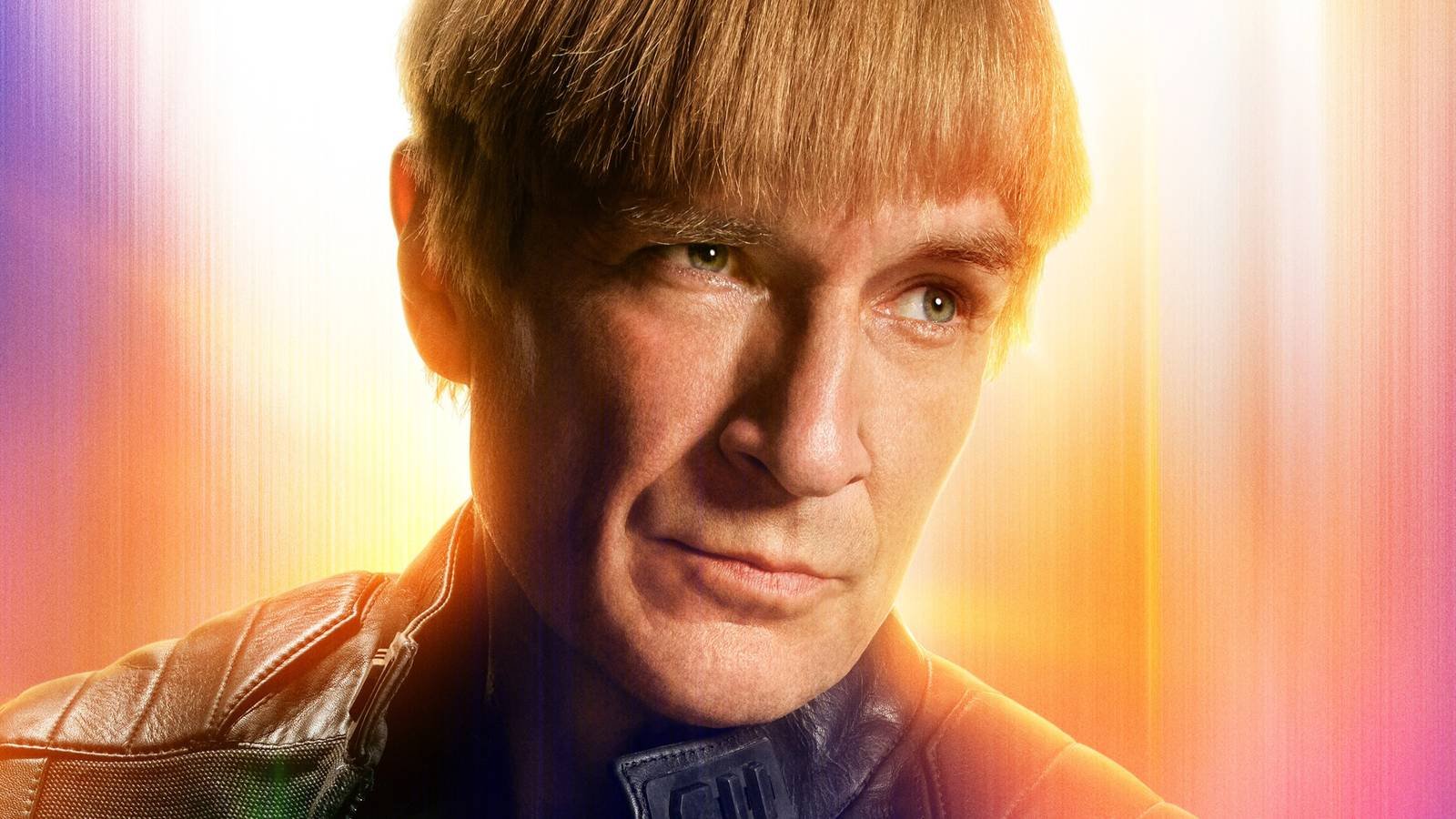
The Flash's Rogues Gallery is renowned for its unique code of conduct and recurring members, making it fertile ground for legacy villains. The Trickster mantle has been primarily held by two distinct individuals, each bringing their own brand of chaotic artistry. Jesse James, the original Trickster, was a master of weaponized pranks and elaborate booby traps, often using rudimentary but effective gadgets to confound the Scarlet Speedster. His successor, Axel Walker, was a younger, more tech-savvy delinquent who upgraded the Trickster's arsenal with advanced gadgetry and a more anarchic, unpredictable personality. While James sometimes operated with a bizarre moral compass, Walker leaned into pure villainy. The Trickster, regardless of who is behind the mask, consistently provides a unique challenge for the Flash — not one of overwhelming power, but of clever misdirection, psychological manipulation, and often, sheer comedic absurdity that belies a dangerous criminal intellect. This duality ensures the mantle remains a persistent and underestimated threat in Central City.
Grail: Daughter of Darkness
Grail represents a relatively recent but incredibly impactful addition to DC's legacy villains, carving out a formidable reputation as the half-Amazonian, half-New God daughter of Darkseid and Myrina, an assassin from Themyscira. Born under a dark prophecy, Grail possesses a unique blend of Amazonian combat prowess, New God strength, and formidable Omega Energy abilities. Her debut during the "Darkseid War" storyline in the New 52 era saw her unleash chaos upon the Justice League, demonstrating power on par with her infamous father. Unlike many of Darkseid's other children, Grail combines raw power with a cunning intellect and a clear, albeit dark, purpose. Her complex heritage makes her a direct foil to Wonder Woman, embodying a twisted version of Amazonian strength corrupted by the cosmic evil of Apokolips. Grail's ability to challenge the DC Universe's most powerful beings and her consistent presence in storylines post-New 52 cement her status as a crucial and terrifying legacy figure, destined for further villainous renown.
Scandal Savage: Heir to Immortality's Malice
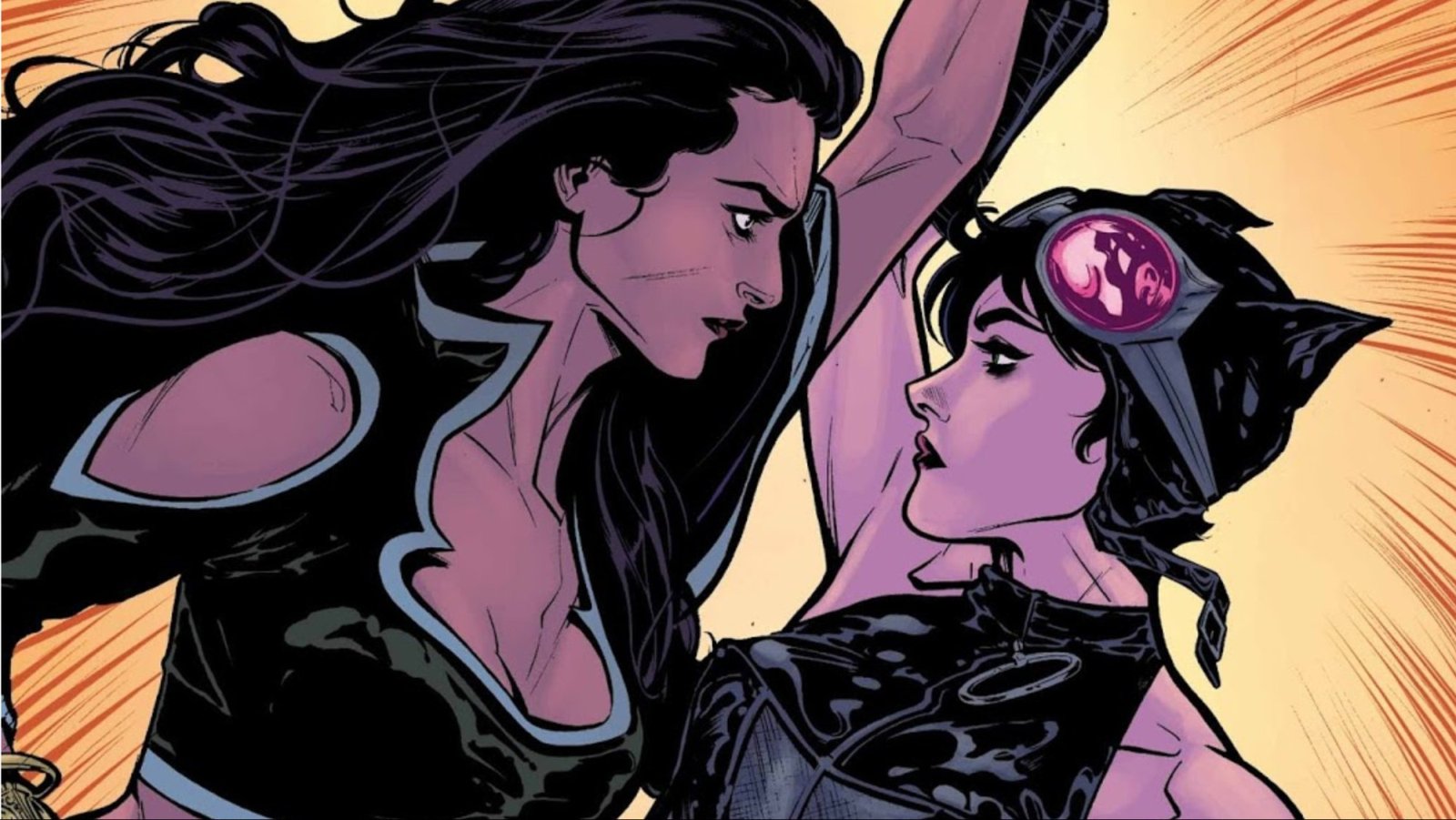
Vandal Savage is one of DC Comics' oldest and most enduring villains, an immortal caveman who has witnessed and manipulated human history for over 50,000 years, building empires and amassing vast resources. His daughter, Scandal Savage, emerged as a compelling legacy villain who both grapples with and embraces her father's brutal heritage. Unlike Vandal, who is consumed by his own grand schemes of global domination, Scandal is a more grounded, yet equally deadly, operative. She rose to prominence as a core member of Gail Simone's critically acclaimed Secret Six, a team of morally ambiguous anti-heroes who often found themselves doing good despite their criminal inclinations. Scandal is an expert combatant, armed with a powerful "Lamentation Blade" that can cut through nearly anything, and possesses a healing factor inherited from her father. Her fierce loyalty to her teammates and her complex romantic relationship with Knockout added depth to her character, illustrating that a legacy villain can forge their own path, demonstrating a distinct identity while still being fundamentally shaped by their lineage of eternal malevolence.
Clayface: The Shapeshifting Scourge
The mantle of Clayface is perhaps one of the most versatile and horrifying legacy concepts in Batman's rogues gallery, with numerous individuals taking on the role, each with their own tragic origin and terrifying abilities. The first was Basil Karlo, a horror actor who, after being rejected for a film remake of his classic movie, resorted to murder while wearing the villain's costume from the film. The most iconic, however, is Matt Hagen, an actor and treasure hunter who gained his shapeshifting powers after falling into a pool of protoplasmic chemicals. Hagen's tragic story and grotesque transformations, popularized by "Batman: The Animated Series," defined the character for a generation. Subsequent Clayfaces, such as Preston Payne (whose touch causes bodies to liquefy) and Sondra Fuller (able to perfectly mimic forms), further diversified the threat, demonstrating how the Clayface concept could evolve to encompass body horror, identity theft, and psychological warfare. The multiple iterations of Clayface highlight the enduring fear of losing one's identity and the malleability of evil, making this villain a perpetual and adaptable challenge for the Caped Crusader and his allies.
Blockbuster: Bludhaven's Criminal Overlord
The Blockbuster mantle has been held by two brothers, each posing a distinct and formidable threat to DC's heroes. The original Blockbuster, Mark Desmond, was a chemist who, through a self-experimentation with a formula, gained incredible superhuman strength and invulnerability but at the cost of his intellect, leaving him a raging, mindless brute. His successor, Roland Desmond, sought to avenge his brother and replicate his powers, but with a crucial difference: he retained his sharp intellect. Roland transformed Blockbuster from a simple physical threat into a sophisticated criminal mastermind, establishing himself as the ruthless crime boss of Bludhaven. This evolution made him the definitive arch-enemy of Nightwing (Dick Grayson), providing a compelling foil who was both physically overpowering and strategically brilliant. Roland Desmond combined brute force with a vast criminal empire, exerting control over the city's underworld in a manner reminiscent of Marvel's Kingpin, but with the added element of super-strength. His intricate schemes and personal vendetta against Nightwing solidified Blockbuster as a powerful and enduring legacy villain who dominated an entire city and tested a new generation of hero.
The concept of legacy in DC Comics is a powerful narrative device, shaping not only its heroes but also its most persistent villains. From the cosmic tyranny of Mongul to the shapeshifting horror of Clayface, these legacy antagonists demonstrate that evil, much like heroism, can be passed down, adapted, and refined across generations. They provide an enduring sense of threat, reminding us that some battles are never truly won, only continued by new champions and new villains. By expanding on established archetypes or creating entirely new iterations of familiar menaces, these characters ensure that the DC Universe remains a dynamic and perpetually challenged landscape. Delving into the intricate histories and evolving threats of these legacy villains offers a richer understanding of the complex tapestry that is the DC Multiverse.
Are you eager to uncover more deep dives into the lore and characters that define the DC Universe? Continue exploring the extensive articles and analyses available on NAME OF SITE, where we bring you comprehensive insights and engaging content that goes beyond the surface of your favorite comic book worlds.
Fonte: https://comicbook.com