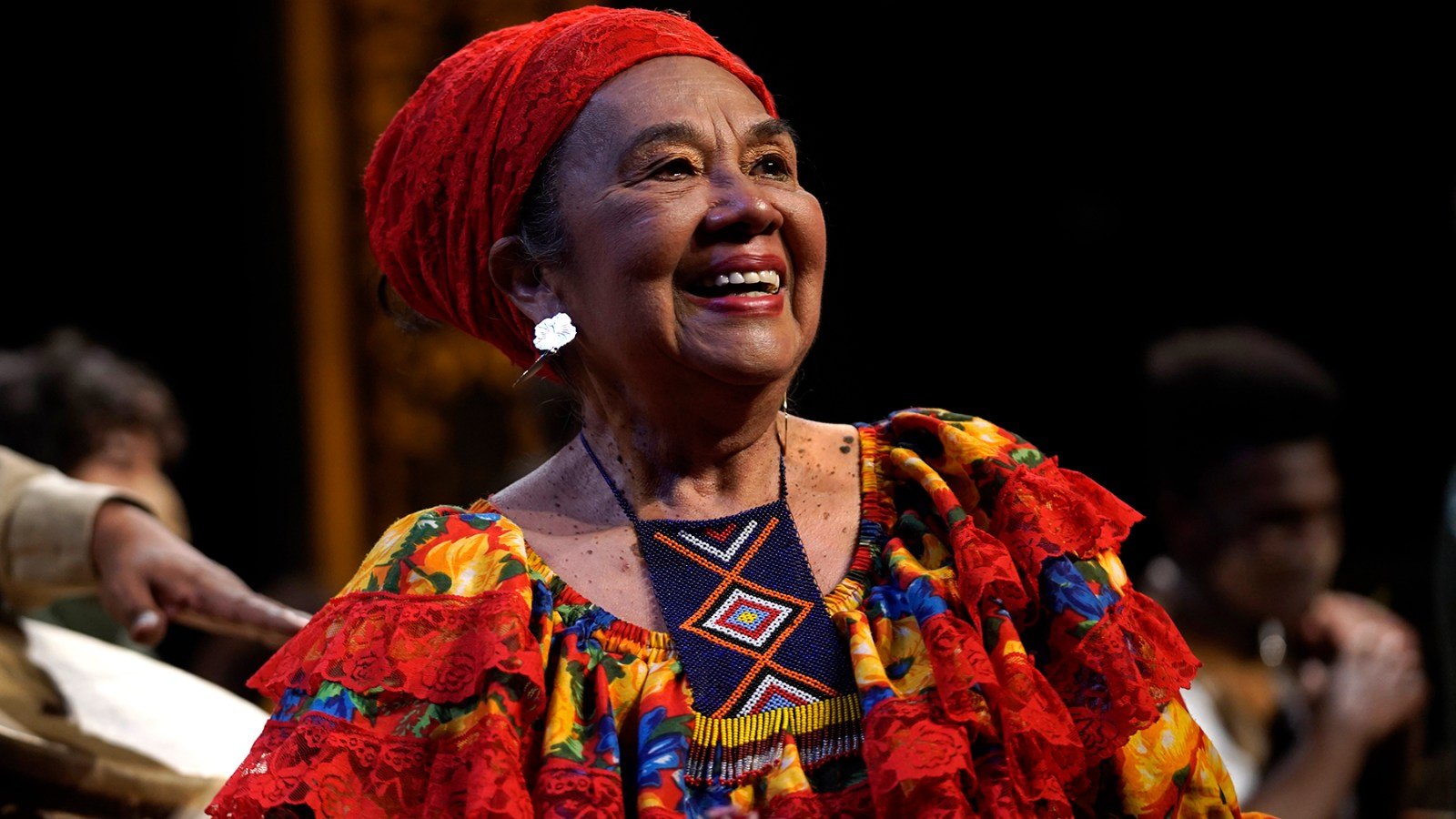
The global music community mourns the loss of Totó La Momposina, the legendary Colombian singer celebrated worldwide as the "Queen of Cumbia" and an enduring icon of traditional folk music. Sonia Bazanta Vides, as she was known to family and close friends, passed away at the age of 85 following ongoing medical complications. Her passing marks the end of an era for Latin American music, leaving behind an unparalleled legacy of rhythmic innovation, cultural preservation, and a profound dedication to the sounds of her native Colombia.
A Legacy Woven in Rhythm: Who Was Totó La Momposina?
Born in 1940 in Talaigua Nuevo, a small village nestled on the banks of the Magdalena River in the Bolívar Department of Colombia, Sonia Bazanta Vides was destined for a life immersed in music. Her childhood was steeped in the rich cultural tapestry of the Colombian Caribbean coast, an area vibrant with indigenous, African, and European influences. From a young age, she was surrounded by art; her father was a drummer, and her mother a singer and dancer. This familial immersion provided the foundational rhythms and melodies that would define her career. The family later moved to Mompox, then to Bogotá, but her identity remained firmly rooted in the Afro-Colombian and indigenous heritage of her birthplace. Her stage name, Totó La Momposina, paid homage to her nickname 'Totó' and her deep connection to Mompox, solidifying her bond with her ancestral lands and traditions.
The Sound of a Nation: Totó's Musical Tapestry
Totó La Momposina was not merely a performer of Cumbia; she was its living embodiment and its most fervent ambassador. Cumbia, with its hypnotic drum patterns and swaying melodies, forms the rhythmic heart of Colombian folklore, originating from the fusion of indigenous flutes, African drums, and Spanish harmonies. Beyond Cumbia, Totó explored and popularized other vital Afro-Colombian rhythms such as porro, bullerengue, mapalé, and chandé. Her distinctive, powerful, and resonant voice, often described as a primal force of nature, became synonymous with these traditional sounds. She masterfully utilized traditional instruments like the *gaita* (a long, indigenous flute), the *tambora* (a large bass drum), and the *llamador* (a smaller hand drum), not just as accompaniment but as essential storytellers within her musical narratives. Her approach was that of an ethnomusicologist, meticulously researching and authentically reproducing these ancestral sounds to ensure their integrity and continuity.
From Local Roots to Global Stages
Totó La Momposina's journey from performing in local village squares and modest Bogotá venues to gracing international stages was a testament to her undeniable talent and the universal appeal of her music. Her pivotal moment arrived in the early 1980s when she embarked on her first European tour, captivating audiences with the raw energy and profound authenticity of her performances. A highlight of this period was her participation in the renowned WOMAD (World of Music, Arts and Dance) festivals, founded by Peter Gabriel. This exposure introduced her vibrant sound to a global audience, who were immediately mesmerized by the intricate rhythms and soulful narratives emanating from Colombia. Her music transcended linguistic barriers, serving as a powerful cultural bridge and making her a cherished ambassador for her homeland on the world stage.
A Champion of Cultural Heritage
Beyond her celebrated performances, Totó La Momposina dedicated her life to the profound mission of cultural preservation. Her work extended far beyond mere entertainment; it was a tireless effort to safeguard and perpetuate the oral traditions, ancestral dances, and unique musical forms of her Afro-Colombian and indigenous heritage. She established schools and workshops, investing her time and passion into educating younger generations about the history and technical intricacies of traditional Colombian music. Through these initiatives, she ensured the continuity of these vital cultural expressions, instilling a deep sense of identity and pride, particularly within the Afro-Colombian communities whose voices and stories she so powerfully amplified. Her advocacy for cultural authenticity cemented her role as a living archive of Colombian history and art.
Accolades and Enduring Influence
Throughout her illustrious career, Totó La Momposina garnered numerous accolades that underscored her global impact. Among her most prestigious honors was the Latin Grammy Lifetime Achievement Award, which she received in 2013, recognizing her enduring contributions to Latin music. She was also decorated by the French government with the Order of Arts and Letters (Chevalier de l'Ordre des Arts et des Lettres), a testament to her international artistic recognition. Her collaborations with diverse artists, from Peter Gabriel's Real World Records which brought her music to a broader global audience, to contemporary Latin American groups like Calle 13 and artists such as Lila Downs, further showcased her ability to bridge traditional sounds with modern sensibilities. Her unique sound continues to inspire musicians across genres, serving as a powerful reminder of the richness of cultural roots and the limitless possibilities of musical expression.
The Farewell of a Legend
The news of Totó La Momposina's passing at 85 due to ongoing medical complications has sent ripples of sorrow throughout Colombia and the international music community. Her departure signifies the silencing of one of the most distinctive and significant voices in world music. For many, she was more than just a singer; she was a living embodiment of Colombian cultural history, a vibrant link to the country's past, and a powerful storyteller through song. Her absence will be deeply felt, leaving a void that speaks volumes about her irreplaceable contribution to the global musical landscape and her profound connection to the heart of her nation.
Totó La Momposina's Unwavering Legacy
Totó La Momposina's legacy is far greater than the sum of her albums and performances. It is a testament to the resilience of cultural identity, the power of tradition, and the universal language of rhythm. She not only preserved the ancestral sounds of Colombia but also amplified them, ensuring that the stories, struggles, and joys of her people resonated across continents. Her music will endure as a vital historical record, a vibrant celebration of Afro-Colombian heritage, and a timeless source of inspiration. Through every beat of the drum and every soulful note of the *gaita*, her spirit will continue to inspire generations, ensuring that the rhythms of Colombia forever resonate in the heart of world music.
As we reflect on the monumental contributions of Totó La Momposina, we invite you to explore more in-depth analyses of Latin American music, cultural icons, and the stories shaping our world. Dive deeper into the diverse sounds and narratives that define our global heritage by continuing to browse NAME OF SITE, where discovery awaits.
Fonte: https://www.rollingstone.com