
For generations, the iconic comic strip <b>Calvin and Hobbes</b> has captivated readers of all ages with its unique blend of childlike wonder and sophisticated humor. Created by the reclusive genius Bill Watterson, the strip, which ran from 1985 to 1995, features the imaginative six-year-old Calvin and his best friend, a philosophical stuffed tiger named Hobbes. While children are drawn to Calvin’s rebellious spirit and elaborate fantasies, adults often find themselves returning to the strip years later, discovering layers of meaning and profound insights that were previously overlooked. This revisiting experience reveals that Watterson’s work is far more than mere children’s entertainment; it is a timeless commentary on life, imagination, and the human condition, resonating in unexpectedly powerful ways with adult sensibilities.
Beyond Childhood Giggles: The Layers Adults Uncover
Rereading <b>Calvin and Hobbes</b> as an adult fundamentally transforms the experience. What once elicited simple laughter now provokes introspection, a bittersweet pang of nostalgia, or even a knowing sigh of recognition. The humor remains, certainly, but it is contextualized by life experiences, anxieties, and the inevitable loss of childlike innocence. Adults are equipped with a broader understanding of the world’s complexities, allowing them to decode Watterson’s subtle critiques of society, his explorations of existential dilemmas, and the poignant realities of growing up.
The Mirror of Existential Reflection
Calvin, despite his tender age, frequently grapples with profound existential questions. He ponders the vastness of the universe while sledding with Hobbes, contemplates his own mortality, and questions the arbitrary rules of existence. As children, these musings might seem like abstract silliness, but for adults, they echo the very anxieties and philosophical inquiries that often accompany maturity. Watterson masterfully imbues Calvin with a sense of cosmic insignificance and a yearning for meaning, mirroring the adult journey of seeking purpose in an often indifferent world. His famous pronouncements like, “I’m a genius, but I’m a misunderstood genius,” or “The world is a pretty good place, if you don't happen to be in it,” strike a chord with the adult reader’s own moments of self-doubt and alienation.
Reimagining the Mundane: Slices of Everyday Life
Many strips depict Calvin’s everyday struggles: school, homework, chores, and interactions with authority figures like his teacher, Miss Wormwood, or the principal. While a child might simply relate to Calvin’s desire to avoid responsibility, an adult perceives the deeper satire. Watterson subtly critiques the education system, the drudgery of daily routines, and the often-absurd demands of societal expectations. Adults recognize the systemic pressures that constrain creativity and individuality, seeing Calvin’s imaginative escapes not just as childish play but as a necessary rebellion against a conformist world. His disdain for school often reflects the adult's own disillusionment with mundane tasks and the longing for unbridled freedom.
Parental Perspectives: Empathy for the Grown-Ups
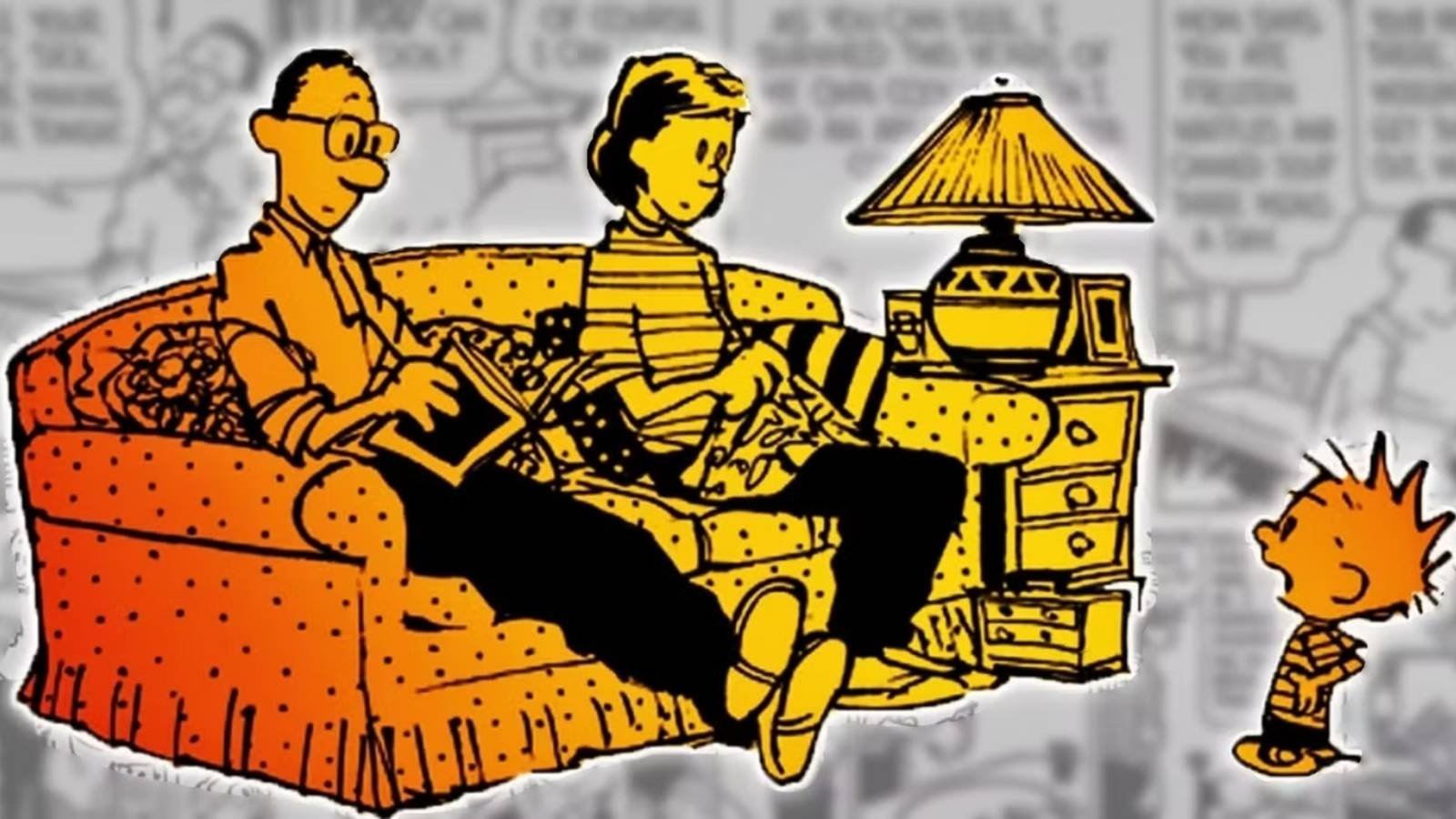
Perhaps one of the most significant shifts in perspective comes for adults who are also parents. Re-reading the strip allows them to fully appreciate the monumental patience, love, and sheer exhaustion of Calvin’s unnamed parents. While a child might see the parents as foils to Calvin’s schemes, an adult understands their struggles to balance discipline with affection, their attempts to navigate Calvin’s boundless energy and mischievous imagination, and their often-futile efforts to instill responsibility. The parents' exasperated sighs and quiet moments of contemplation resonate deeply, turning them from background characters into fully fledged, relatable figures grappling with the universal challenges of raising a difficult yet beloved child.
Unpacking Watterson's Genius: Themes for All Ages
Bill Watterson's artistic and narrative brilliance lies in his ability to craft a comic strip that operates on multiple levels simultaneously. His intricate penmanship, dynamic panel layouts, and profound understanding of human psychology allow <b>Calvin and Hobbes</b> to transcend typical comic strip fare, becoming a rich tapestry of philosophy, humor, and social critique. This depth is precisely why the strip continues to hold such sway over adult readers, who can appreciate the nuances missed during childhood.
Social Commentary and Environmental Awareness
Watterson was not afraid to weave social commentary into his work, often using Calvin’s alter ego, Stupendous Man, or the boys’ imaginative adventures to critique contemporary issues. He tackled themes like consumerism, the degradation of the environment, and the superficiality of popular culture. As an adult, these observations become starker and more relevant. Calvin’s rants against advertising or his concerns for the natural world resonate with a heightened sense of urgency, reflecting adult awareness of global challenges and societal flaws. The strip’s often subtle criticisms of materialism and humanity’s impact on nature are far more impactful when viewed through an experienced adult lens.
The Power of Imagination and Escapism
The core dynamic of <b>Calvin and Hobbes</b> centers on Calvin’s vivid imagination, where Hobbes is a talking, sentient tiger. To adults, Hobbes appears as a stuffed animal; to Calvin, he is real. This duality is a powerful metaphor for the enduring human need for imagination, escapism, and the creation of one’s own reality. As adults navigate the often harsh and demanding realities of life, the strip serves as a poignant reminder of the importance of maintaining a sense of wonder and allowing imagination to flourish, even when confronted by cynicism and the mundane. It encourages adults to reconnect with their inner child and embrace the imaginative spirit they may have lost.
Friendship, Loyalty, and the Comfort of an Imaginary Friend
At its heart, <b>Calvin and Hobbes</b> is a celebration of an extraordinary friendship. Their bond is one of unwavering loyalty, shared adventures, and deep understanding, transcending the boundaries of reality. For adults, this friendship often represents an ideal – a companion who understands implicitly, never judges, and is always ready for the next adventure. In a world where genuine connection can be challenging to find, the pure, unadulterated bond between Calvin and Hobbes offers a comforting and aspirational vision of companionship. It speaks to the universal desire for a kindred spirit who shares our inner world, whether that world is entirely real or imagined.
The Legacy and Lasting Impact
Decades after its final strip, <b>Calvin and Hobbes</b> continues to be celebrated, studied, and cherished. Its enduring appeal lies in its ability to grow with its readers, offering new insights and emotional resonance as they mature. The strip is a testament to Watterson’s genius in creating characters and narratives that are both specific to childhood and universally applicable to the human experience. It reminds us that profound truths can be found in the simplest of interactions, and that the spirit of curiosity and imagination should never truly fade, regardless of age.
Have these insights into <b>Calvin and Hobbes</b> sparked your own memories or given you a new perspective on Watterson’s masterpiece? Dive deeper into the world of classic comics, digital journalism, and in-depth cultural analysis by exploring more articles on our site. Your next discovery awaits!
Fonte: https://screenrant.com