
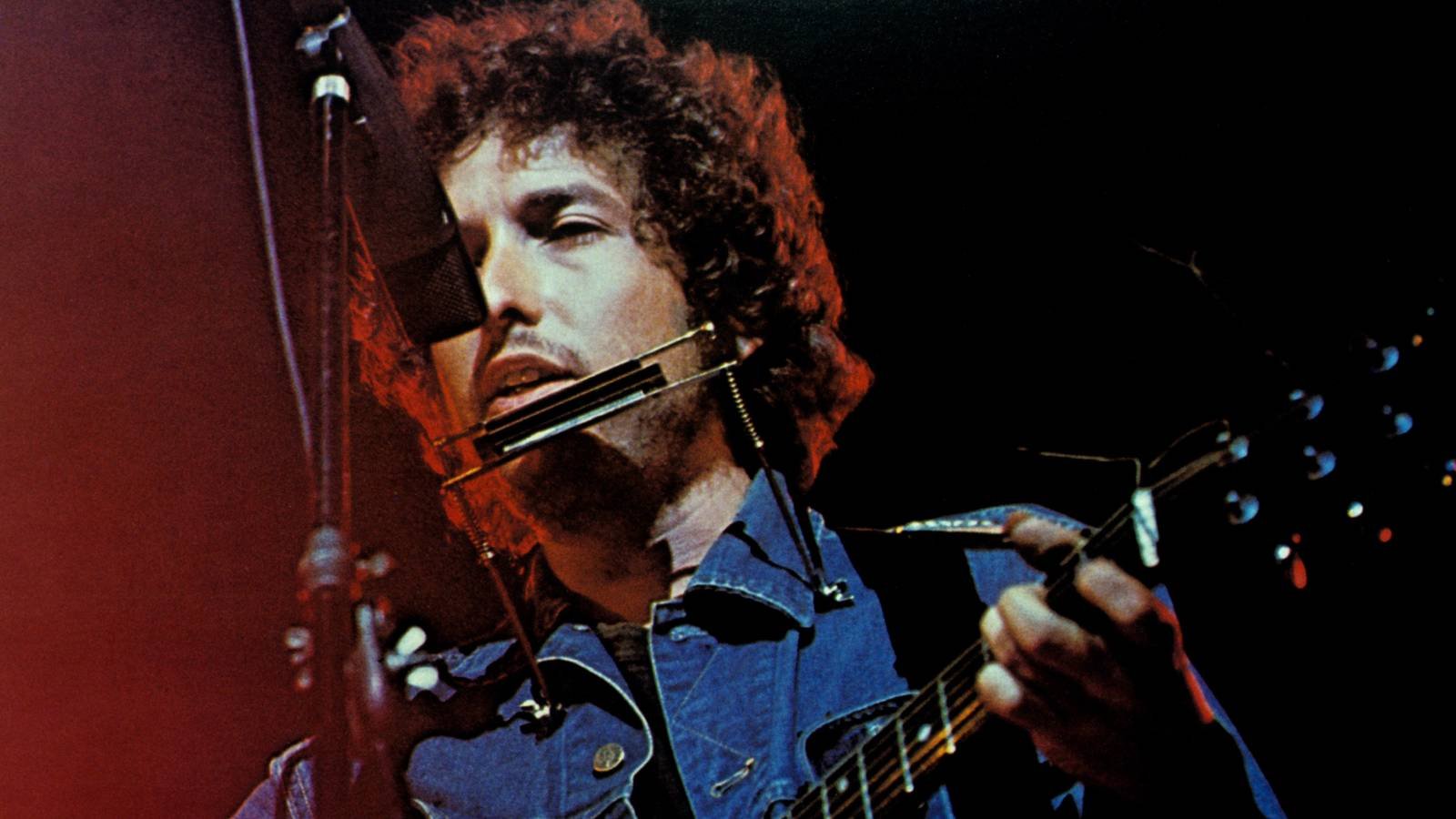
Few songs in the annals of popular music ignite a collective fervor quite like Bob Dylan’s “Rainy Day Women #12 & 35.” The moment that jaunty brass band arrangement kicks in, heralding the iconic chorus, an almost primal urge sweeps through a room: to join in the exuberant shout of "Everybody must get stoned!" This line has cemented the song's place in counterculture lore, particularly within the context of cannabis culture, leading many to believe its primary, if not sole, meaning revolves around drug consumption. However, to confine this quintessential Dylan track to such a singular interpretation would be to overlook the layered artistry and profound ambiguity that define much of his work. While the immediate association with 'getting high' is undeniably powerful and culturally entrenched, a deeper dive into Dylan’s lyrical landscape, the historical context of the 1960s, and the very nature of his poetic expression reveals a much more intricate narrative at play.
Bob Dylan's Lyrical Alchemy: A Master of Ambiguity
Bob Dylan, a Nobel laureate in Literature, is renowned for his poetic dexterity and his unique ability to craft lyrics that are both direct and profoundly enigmatic. Throughout his prolific career, his songs have served as mirrors reflecting societal shifts, personal struggles, and philosophical ponderings, often wrapped in metaphors, allusions, and sometimes, deliberate obfuscation. This inherent ambiguity is not a flaw but a foundational element of his genius, allowing his music to resonate across generations and personal experiences. Dylan himself has famously resisted offering definitive explanations for his songs, preferring that listeners forge their own connections and interpretations. This approach encourages a dynamic engagement with his art, transforming each track into a canvas for individual and collective meaning-making.
“Rainy Day Women #12 & 35,” released in 1966 on the groundbreaking album <i>Blonde on Blonde</i>, perfectly embodies this lyrical alchemy. Its seemingly straightforward chorus, often taken at face value, acts as a gateway to a labyrinth of potential meanings. The song arrived during a pivotal period in Dylan’s evolution, as he moved from acoustic folk protest singer to electric rock icon, embracing surrealism and a more complex narrative style. Understanding this shift is crucial for appreciating the multifaceted nature of his later work, including this particular track.
The Unmistakable Echo of Cannabis Culture
For many, the phrase "Everybody must get stoned" leaves little room for doubt. In the mid-1960s, as the counterculture movement gained momentum, recreational drug use, particularly marijuana, became an increasingly visible symbol of rebellion against established norms. The Grateful Dead, Jefferson Airplane, and countless other acts were openly embracing and advocating for altered states of consciousness. Dylan, ever the cultural observer and sometimes participant, could certainly have been commenting on, or even celebrating, this burgeoning aspect of the era. The directness of the phrase, coupled with its playful, almost anthemic delivery, made it an instant touchstone for those immersed in or curious about the psychedelic experience. The song’s widespread association with 4/20, the unofficial holiday celebrating cannabis, further solidifies this literal interpretation in contemporary popular culture, despite the song predating the widespread use of '4/20' as a cannabis code.
Beyond the Smoke: Metaphorical and Social Interpretations
Biblical Allusions and the Weight of Judgment
However, to truly grasp the potential depth of "Rainy Day Women #12 & 35," one must look beyond the literal. The term 'stoned' carries significant historical and biblical connotations. In ancient times, stoning was a brutal form of public execution and punishment. The phrase "Let him who is without sin among you be the first to throw a stone at her" (John 8:7) from the Bible offers a powerful metaphorical interpretation. In this light, "Everybody must get stoned" transforms from a jovial invitation to a sobering commentary on judgment, ostracism, and the universal experience of facing criticism or persecution from others. Dylan, a master of drawing from traditional American and biblical imagery, likely understood and leveraged this dual meaning.
The "Rainy Day Women" themselves could symbolize various societal forces or individuals who inflict this judgment. They could represent the puritanical, the hypocritical, or those quick to condemn others for their perceived transgressions. In this context, the song becomes a sardonic observation on human nature and the inherent challenges of navigating a world filled with moralizers and critics.
Social Commentary and the Weight of Existence
Another compelling interpretation positions the song as a broader commentary on the human condition and the trials of life. If 'getting stoned' means facing adversity, setbacks, or societal pressure, then the chorus implies that suffering and hardship are universal experiences – an inevitable part of everyone's journey. This aligns with Dylan’s often bleak yet insightful observations on life’s inherent difficulties. The song's seemingly chaotic musical arrangement, reminiscent of a marching band gone slightly askew, could even be seen as a sonic metaphor for the disorienting and sometimes absurd nature of life itself, where one is constantly 'getting stoned' by unexpected challenges.
Furthermore, the song’s release coincided with a period of immense social and political upheaval, including the Civil Rights Movement, the Vietnam War, and a generational clash between traditional values and emerging countercultural ideals. "Everybody must get stoned" could be a subversive call for solidarity among the oppressed or misunderstood, suggesting that in a world that often seeks to suppress individuality, everyone faces some form of systemic or personal 'stoning.' This interpretation elevates the song from a simple drug anthem to a sophisticated piece of social commentary, urging empathy and recognition of shared struggles.
Dylan's Silence: The Art of Unexplained Art
True to form, Bob Dylan has largely remained enigmatic regarding the 'true' meaning of "Rainy Day Women #12 & 35." His consistent refusal to provide definitive explanations for his lyrics has only fueled the debate, allowing the song to grow and evolve in meaning with each new listener and generation. This artistic choice underscores a fundamental principle of great art: its capacity to transcend the artist's initial intent and generate a multitude of valid interpretations. Dylan understands that once a song is released, it belongs to the audience, who imbue it with their own experiences and perspectives. His silence transforms the song into a dynamic text, perpetually open to re-reading and re-evaluation, thus ensuring its enduring relevance and mystique.
An Anthem of Enduring Debate and Dual Meanings
Ultimately, the debate surrounding "Rainy Day Women #12 & 35" is not about finding a single, definitive answer, but rather appreciating the richness that multiple interpretations bring. Whether listeners choose to embrace it as a carefree ode to recreational escape or a profound meditation on judgment and adversity, the song’s power lies in its ability to contain both. It serves as a vibrant testament to Bob Dylan’s unparalleled skill in crafting lyrics that are simultaneously accessible and deeply profound, capable of sparking communal joy and philosophical introspection in equal measure. This duality ensures its status as a timeless classic, a song that continues to provoke thought, inspire singalongs, and remind us that sometimes, the most resonant art is that which leaves us with the most questions.
The captivating ambiguity of artists like Bob Dylan invites us to look beyond the obvious and explore the deeper currents of culture and meaning. We encourage you to delve further into the complex narratives and artistic legacies that shape our world. Discover more in-depth analyses, historical contexts, and critical perspectives by continuing to browse the rich content available on NAME OF SITE.
Fonte: https://screenrant.com