The horror genre has perpetually evolved, reflecting societal anxieties and leveraging technological advancements to deliver new forms of dread. Lately, a compelling shift has emerged, spearheaded by two unexpected cinematic successes: *Backrooms* and *Obsession*. Both films, crafted by filmmakers under the age of 30, have shattered box-office expectations, prompting industry observers and horror aficionados alike to question whether we are witnessing the genesis of a distinct Gen-Z horror wave or merely an intriguing anomaly. This analysis delves into the unique characteristics of these films, their resonance with a digitally native audience, and the broader implications for the future of horror cinema.
The Unexpected Success of 'Backrooms' and 'Obsession'
The independent film *Backrooms* burst onto the scene with a minimalist aesthetic and a concept deeply rooted in internet lore. Directed by Kane Parsons, who gained initial recognition through his viral YouTube shorts exploring the titular liminal spaces, the film expanded upon the 'creepypasta' phenomenon that captivated countless online users. Its success at the box office, achieved on a remarkably modest budget, underscores the power of grassroots internet culture to translate into mainstream cinematic appeal. *Backrooms* capitalizes on the pervasive unease associated with desolate, familiar-yet-unfamiliar environments, tapping into a psychological dread that resonates profoundly with an audience accustomed to navigating the uncanny valleys of digital existence. This approach, often characterized by its reliance on atmosphere and existential terror rather than overt gore, has proven to be a refreshing departure for many viewers.
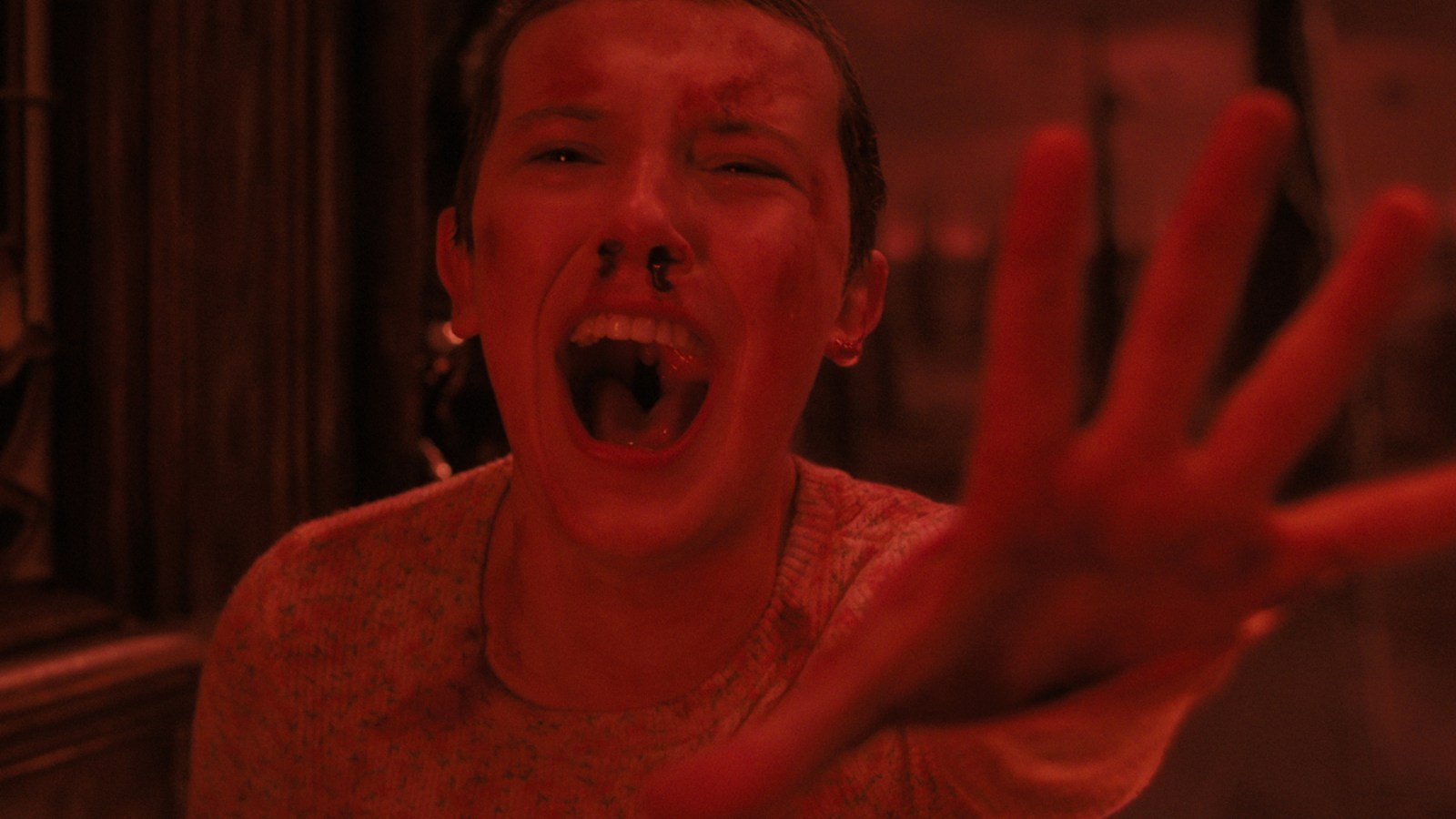
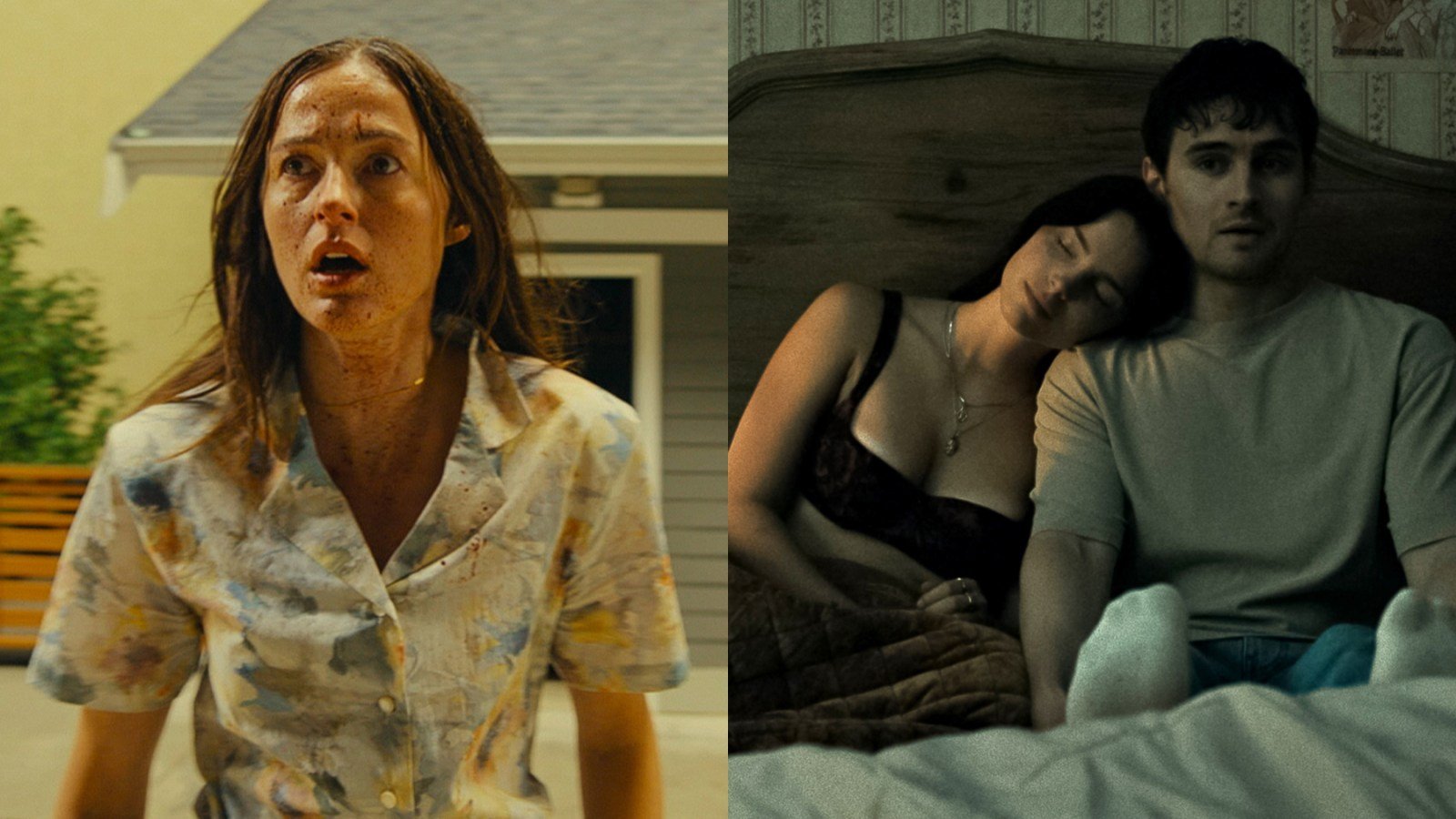
Similarly, *Obsession*, helmed by another burgeoning talent under 30, has garnered significant attention and commercial success. While distinct in its narrative and visual style from *Backrooms*, *Obsession* shares a common thread of appealing directly to the sensibilities of younger audiences. This film often explores contemporary anxieties, such as the pressures of social media, the complexities of modern relationships, or the pervasive sense of digital surveillance, wrapping them in a chilling narrative. The directors of both films exhibit an innate understanding of how to craft narratives that feel both relevant and genuinely disturbing to their target demographic, utilizing storytelling techniques and thematic elements that reflect a nuanced grasp of the current cultural landscape. Their ability to connect with audiences, bypassing traditional studio gatekeepers, highlights a potentially transformative moment for independent horror.
Understanding the Gen-Z Connection
Digital Natives and Internet Lore
Generation Z, broadly defined as individuals born between the mid-1990s and early 2010s, represents the first true generation of digital natives. Their lives have been intrinsically linked with the internet, social media, and online communities since childhood. This constant digital immersion has cultivated a unique perspective on storytelling and fear. Films like *Backrooms* directly tap into this, drawing inspiration from internet-born phenomena like creepypastas, urban legends, and ARGs (Alternate Reality Games). For Gen-Z, the 'Backrooms' concept isn't just a movie plot; it's a familiar piece of their online cultural tapestry, making the horror far more personal and immersive. They are inherently predisposed to narratives that blend reality with digital mythos, creating a compelling interplay between the tangible and the virtual.
Psychological Depth Over Jump Scares
While jump scares will always have a place in horror, a significant portion of Gen-Z audiences seems to gravitate towards horror that prioritizes psychological dread, existential unease, and atmospheric tension. They've grown up saturated with content, often developing a discerning eye for predictable tropes. The subtle, creeping horror of liminal spaces, the exploration of mental states, or the slow burn of unsettling situations found in films like *Backrooms* and *Obsession* offers a more sophisticated and enduring scare. This preference for depth over cheap thrills reflects a generation that is often more introspective and analytical, seeking narratives that provoke thought and linger long after the credits roll. The ability to articulate and explore deeper anxieties, rather than simply startling the audience, is key to their appeal.
Relatable Anxieties and Social Commentary
Beyond digital immersion, Gen-Z faces a unique set of contemporary anxieties: climate change, social injustice, economic uncertainty, and the relentless pressure of online perception. Effective horror often mirrors the societal fears of its time. *Obsession*, for instance, may delve into themes of online stalking, the fragility of identity in a hyper-connected world, or the psychological toll of performative existence on social media. By weaving these relatable anxieties into their narratives, these films offer more than just entertainment; they provide a cathartic, albeit terrifying, lens through which to process the complexities of modern life. This socio-political undercurrent elevates the horror beyond mere genre fare, imbuing it with a sense of urgent relevance for its young viewers.
The Broader Landscape of Contemporary Horror
The success of *Backrooms* and *Obsession* does not occur in a vacuum. It aligns with a broader trend in horror that has seen a rise in independent, experimental, and 'elevated' horror films over the past decade. Companies like A24 have championed unique voices, proving that audiences are hungry for stories that challenge conventions and explore deeper themes. Films such as *Hereditary*, *Midsommar*, and even more recent, highly stylized independent releases like *Skinamarink* (which also drew heavily from internet creepypasta aesthetics) have paved the way for a more cerebral and atmospheric approach to fear. These directors, often emerging from independent cinema circuits, are not bound by the commercial demands or stylistic clichés of large studios, allowing for greater creative freedom and the cultivation of distinct artistic visions. The under-30 age of these filmmakers signifies a generational shift, where new talent is not only embracing these trends but actively shaping them, often with a deep understanding of digital native sensibilities and unconventional distribution channels.
A New Movement or a Fleeting Trend?
The central question remains: are these films the vanguard of a new horror movement, or isolated instances of success? Arguments for a burgeoning wave are compelling. The shared demographic appeal, the innovative use of internet lore, the preference for psychological over visceral horror, and the rise of young, digitally savvy filmmakers all point towards a cohesive, evolving genre segment. Furthermore, the low-budget, high-return model demonstrated by these films makes them highly attractive to producers and distributors seeking to capitalize on viral potential and niche audiences. This economic viability could encourage more such projects, solidifying a 'Gen-Z horror' subgenre.
However, caution is warranted. The film industry is notorious for fleeting trends. Two successful films, while indicative of potential, do not definitively establish a long-term movement. The specific appeal of *Backrooms* might be tied to its unique creepypasta origins, which are not endlessly reproducible. *Obsession* could be a standalone success due to its particular narrative strengths rather than a broader stylistic adherence. The challenge for any emerging movement lies in its ability to diversify, innovate, and consistently deliver content that maintains its relevance and appeal beyond initial novelty. Only time will tell if these two films are merely ripples or the first breakers of a truly transformative wave within the horror landscape.
Conclusion: The Future of Fear
Regardless of whether *Backrooms* and *Obsession* ultimately define an entire generation's approach to horror, their undeniable success represents a critical juncture. They have demonstrated the profound impact of internet culture on cinematic storytelling and proven that young, innovative voices can captivate audiences with fresh perspectives on fear. These films highlight a shift towards more introspective, psychologically driven narratives that resonate deeply with the anxieties and experiences of Gen-Z. As the demographic continues to mature and influence cultural trends, the horror genre will undoubtedly continue to adapt, offering new ways to explore our deepest fears through lenses shaped by digital modernity. To stay abreast of these thrilling developments and explore more in-depth analyses of cinematic trends, be sure to keep browsing NAME OF SITE for our latest articles and insights.
Fonte: https://www.rollingstone.com