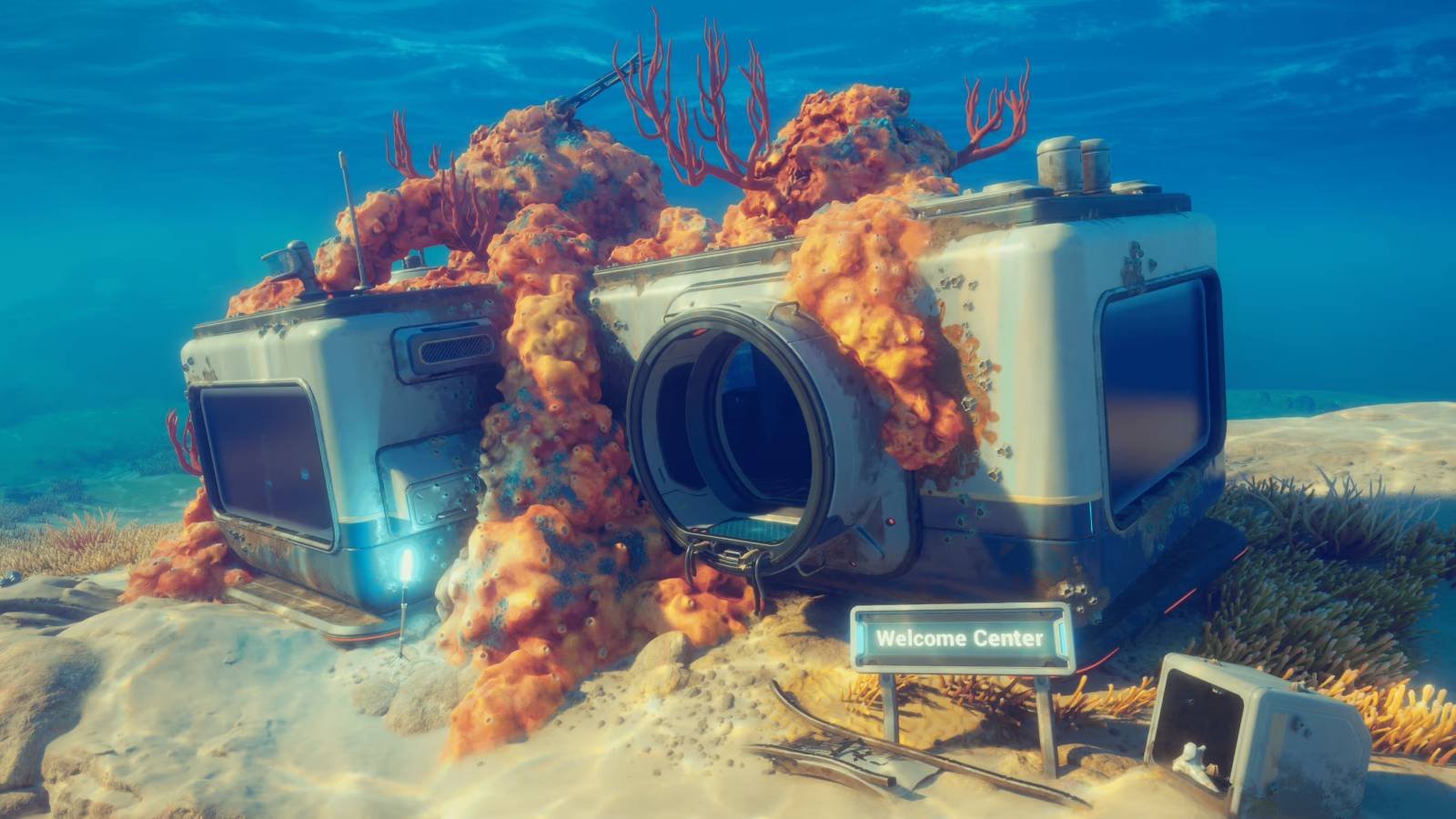
The highly anticipated sequel, tentatively known as Subnautica 2, has recently plunged into early access on Xbox Series X/S and PC, inviting players to dive back into its unique underwater worlds. However, its maiden voyage has been far from smooth, marked by significant turbulence. Initially, the game garnered widespread support from its passionate fanbase during a publicized legal dispute. Prospective players largely sided with the developers, Unknown Worlds Entertainment, following allegations of key team members being wrongfully ousted by co-publisher Krafton. This display of solidarity highlighted the deep connection the community feels for the franchise and its creators. Yet, the tide has now turned, with player sentiment shifting from support to fervent opposition, as the community sets its sights on what it perceives as a fundamental problem within the game's core gameplay direction.
The Esteemed Legacy of Subnautica and its Sequel's High Stakes
The original Subnautica captivated millions with its masterful blend of survival mechanics, profound underwater exploration, and an enigmatic narrative delivered through environmental storytelling. Players reveled in the isolation and wonder of its alien ocean, building bases, crafting tools, and uncovering the mysteries of Planet 4546B. Its standalone expansion, Subnautica: Below Zero, continued this legacy, albeit with a slightly different tone and focus. These titles set a remarkably high bar, establishing Unknown Worlds as a studio capable of crafting immersive, single-player experiences that prioritize exploration and discovery over typical combat or competitive elements. Consequently, expectations for Subnautica 2 were monumental, with fans hoping for an expansion of the beloved formula while retaining its core identity. Any significant deviation from this established essence would naturally be met with scrutiny.
Recapping the Pre-Launch Corporate Discord and Fan Solidarity
Prior to the current early access controversy, Subnautica 2 was already making headlines due to an internal conflict. Details emerged regarding a dispute between Unknown Worlds Entertainment and its co-publisher, Krafton, which reportedly led to the removal of several integral members of the development team. The community's reaction was swift and overwhelmingly in favor of the developers, perceiving Krafton's actions as a potential threat to the creative vision and independent spirit that defined the Subnautica series. This lawsuit, which saw players actively rooting for Unknown Worlds, underscored the audience's investment not just in the game itself, but in the integrity of its creation process. The incident highlighted the delicate balance between creative autonomy and corporate interests, with the fanbase firmly advocating for the former to preserve the franchise's unique appeal. The resolution of this initial drama seemed to bring a sense of relief, momentarily unifying players with the development team against perceived external interference.
The New Wave of Player Dissatisfaction: A Deeper Dive into Live-Service Elements
Despite the earlier corporate skirmish, a fresh wave of discontent has now engulfed the Subnautica 2 community, triggered by observations in the early access build. The core of the current player pushback centers around a perceived shift towards a live-service monetization model, including the introduction of battle pass-like progression systems, cosmetic shops, and potential always-online requirements. For a series celebrated for its deep single-player immersion and organic exploration, these elements are viewed by many as antithetical to the Subnautica experience. Players fear that such features could dilute the game's focus, prioritize recurrent spending over meaningful content, and compromise the solitary, isolated atmosphere that made the previous titles so compelling. This concern isn't just about the presence of these features, but their potential to fundamentally alter the game's design philosophy and long-term trajectory.
Understanding the Community's Concerns Regarding Monetization
The Subnautica community's primary apprehension stems from the belief that live-service elements inherently clash with the franchise's established identity. Fans cherish the feeling of being stranded and self-sufficient, relying on in-game discoveries and crafting to progress. The prospect of monetized progression, cosmetic items, or persistent online requirements for what has historically been a robust single-player experience disrupts this core fantasy. Social media platforms, dedicated forums, and early access feedback channels are abuzz with players expressing disappointment, worry, and even anger. Many argue that these systems feel shoehorned into a game that doesn't need them, potentially signaling a shift away from creative purity towards commercial pressures. The fear is that the game might become less about diving into an unknown alien ocean and more about engaging with extrinsic progression loops and monetary transactions.
The Developer's Silence and the Challenges of Early Access Feedback
As the player backlash intensifies, the response from Unknown Worlds Entertainment and Krafton has largely been observed as silence, or at least a lack of immediate, direct communication addressing the specific concerns about monetization and live-service features. This silence, while perhaps understandable during the initial stages of early access development as data is collected, has only exacerbated player anxiety. Early access is a double-edged sword: it allows for community involvement and iterative development, but it also exposes the game to public scrutiny at its most vulnerable stages. Navigating player feedback, especially when it targets foundational design decisions, requires transparent and proactive communication. Without it, the gap between developer intent and player expectation can widen, risking further alienation of a once-unwaveringly loyal fanbase. The challenge now lies in how the developers will interpret and respond to this critical input, balancing their vision with community desires.
The Broader Implications for Early Access Development and Player Trust
This incident with Subnautica 2 serves as a potent case study for the broader challenges facing early access development and the delicate balance of player trust in the modern gaming industry. While early access offers valuable opportunities for iterative design and community collaboration, it also places games under intense public scrutiny at nascent stages. For a franchise with such a devoted following, any perceived deviation from its core tenets or a move towards industry trends like live-service models, which are often met with skepticism, can profoundly impact player confidence. This scenario highlights how easily goodwill can erode if design choices are perceived to prioritize monetization over player experience or creative vision. The longevity and success of early access titles often depend on transparent communication and responsiveness to community feedback, especially when fundamental game design principles are called into question. Maintaining trust is paramount for studios seeking to involve their audience in the development journey.
Charting a Course Forward: What's Next for Subnautica 2?
The path forward for Subnautica 2 is undoubtedly complex. Unknown Worlds Entertainment faces the critical task of addressing the community's concerns while staying true to their long-term vision for the game. This could involve re-evaluating the perceived live-service elements, offering clearer communication about their purpose, or even redesigning aspects based on early access feedback. The studio has a track record of listening to its community, as evidenced by the success of the original Subnautica's development cycle. However, the stakes are higher now, with a passionate fanbase feeling a sense of betrayal over fundamental design choices. A transparent dialogue, outlining the rationale behind controversial features and demonstrating a willingness to adapt, will be crucial. The ultimate success of Subnautica 2 in navigating these troubled waters will depend on its ability to reconcile creative ambition with community expectations, ensuring the sequel honors the spirit of its predecessors while evolving in meaningful ways.
The ongoing saga of Subnautica 2 in early access highlights the passionate nature of its fanbase and the intense scrutiny that highly anticipated sequels often face. From corporate disputes to design philosophy disagreements, the game has weathered significant storms even before its full release. How Unknown Worlds Entertainment responds to this latest wave of player feedback regarding its core gameplay elements will undoubtedly shape the future perception and ultimate success of the title. For more in-depth analyses, developer updates, and community discussions surrounding Subnautica 2 and other major gaming news, be sure to continue browsing [NAME OF SITE].
Fonte: https://screenrant.com