
The landscape of music biopics has undergone a dramatic transformation, evolving from infrequent, awards-season prestige projects into full-scale cinematic franchises. Fueled by the undeniable box office triumphs of films like "Bohemian Rhapsody" and "Elvis," and the substantial anticipation surrounding upcoming productions such as "Michael," Hollywood has clearly recognized the immense appeal of bringing iconic artists' stories to the big screen. Audiences consistently demonstrate a keen eagerness to reconnect with legendary figures, provided the narrative presentation is grand and immersive. However, even as these films shatter box office records, the formula itself is beginning to reveal subtle yet significant strains, suggesting that mere biographical recounting may no longer suffice for discerning viewers.
The Biopic Boom: From Prestige Projects to Cinematic Franchises
The commercial success of music biopics marks a pivotal shift in the entertainment industry. Prior to recent blockbusters, such films were often critically acclaimed but rarely delivered the kind of global financial impact seen today. "Bohemian Rhapsody," chronicling the life of Queen frontman Freddie Mercury, captivated audiences worldwide, grossing over $900 million globally and proving that a well-executed musical biography could be a theatrical powerhouse. Similarly, Baz Luhrmann's "Elvis" revitalized interest in the King of Rock and Roll, drawing in a new generation of fans while satisfying long-time devotees. These films tapped into a powerful vein of nostalgia, combined with compelling storytelling and standout musical performances, demonstrating that beloved artists offer an almost guaranteed audience base.
This newfound commercial viability has spurred studios to invest heavily, transforming the genre into a reliable engine for profit. The upcoming Michael Jackson biopic, "Michael," stands as a testament to this trend, boasting a massive production budget and high expectations for its box office performance. What was once a niche offering has become a mainstream staple, with studios vying to secure the rights to the life stories of legendary musicians. The economic drivers are clear: these films often come with a built-in fanbase, recognizable music, and narratives rich with drama and emotion, making them attractive propositions in an increasingly competitive cinematic marketplace.
Cracks in the Formula: Audience Fatigue and Authenticity Demands
Despite the genre's current boom, the conventional biopic formula is indeed showing its seams. A growing concern among critics and audiences alike is the increasing predictability of narratives, which often follow a rise-and-fall arc, punctuated by personal struggles and eventual redemption or tragedy. This adherence to a familiar structure can lead to narrative fatigue, where the distinctiveness of an artist's life becomes overshadowed by a generic storytelling template. Additionally, there's a recurring debate about the sanitization of controversial aspects of artists' lives or, conversely, an overemphasis on sensationalism at the expense of nuance and depth. These narrative choices, made for dramatic effect, can often detract from the authenticity that audiences increasingly crave.
The sheer volume of biopics now in production also contributes to audience saturation. As more and more films about similar figures emerge, the novelty wears off, and viewers become more discerning. This heightened scrutiny extends to historical accuracy versus dramatic license. While creative interpretation is inherent in filmmaking, significant deviations from documented reality or a perceived lack of genuine insight into an artist's persona can alienate audiences who feel they are being presented with a simplified or fabricated version of events. The challenge lies in creating narratives that are both compellingly dramatic and rigorously true to the spirit and facts of the artist's journey.
Sam Mendes' Ambitious Beatles Project: A Unique Challenge
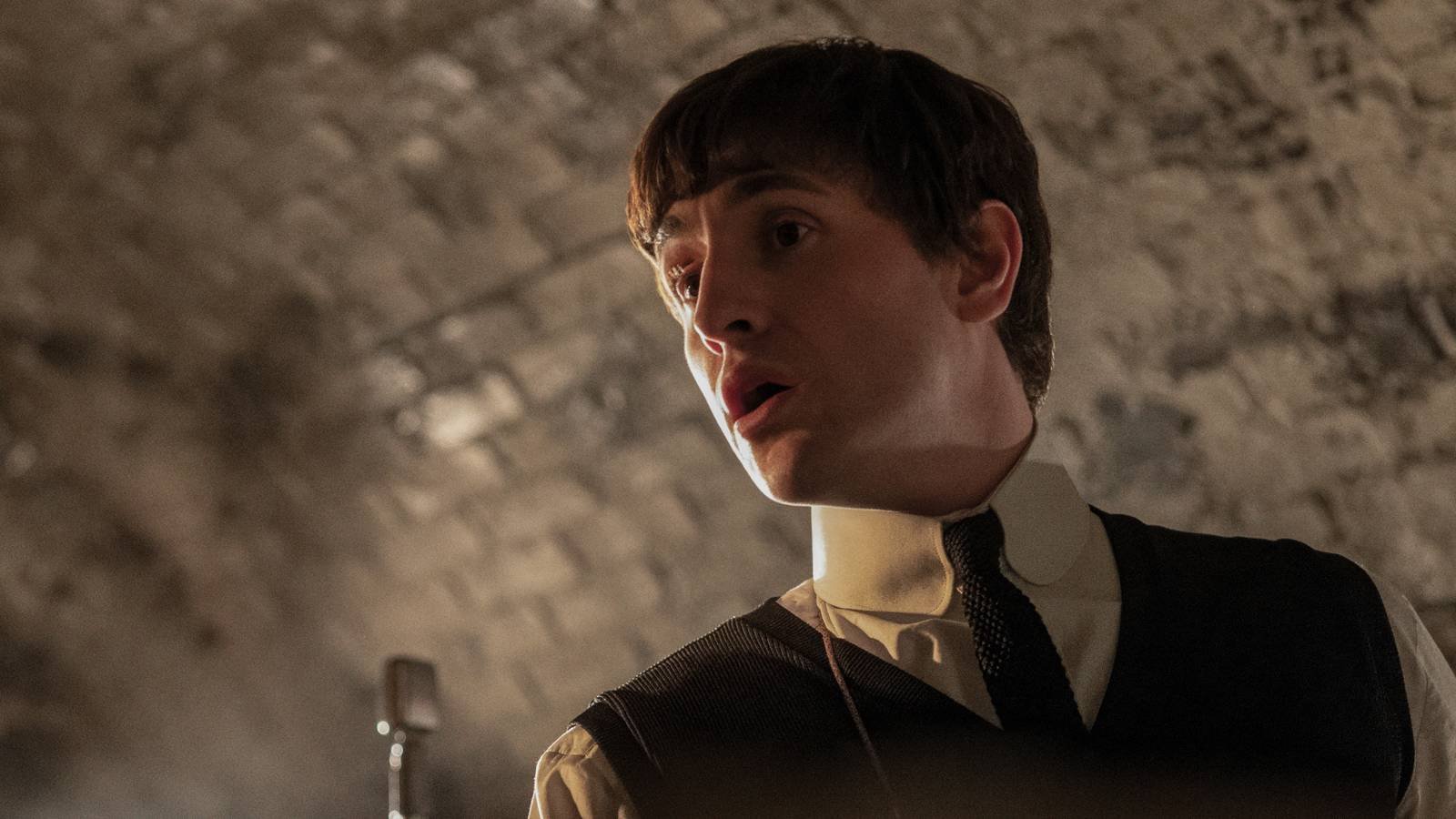
Enter Sam Mendes, the acclaimed director behind "American Beauty" and "1917," who has announced an unprecedented and ambitious cinematic undertaking: four separate feature films, each dedicated to the individual perspective of one of The Beatles – John Lennon, Paul McCartney, George Harrison, and Ringo Starr. This expansive approach seeks to offer a multi-faceted exploration of the most influential band in history, a project of immense scope that promises to delve into the complex dynamics, creative genius, and personal lives of the Fab Four from their distinct vantage points. Such a comprehensive vision speaks to a desire to move beyond single, overarching narratives and provide a more granular, intimate understanding of each member's contributions and experiences.
However, this ambitious project arrives with significant inherent challenges. The Beatles' legacy is not only vast but also meticulously documented, dissected, and analyzed over decades. There have been numerous films, documentaries, books, and interviews that have already explored nearly every facet of their careers and personal lives. This existing wealth of material, coupled with the profound emotional connection millions have to the band, sets an extraordinarily high bar for any new portrayal. Audiences already possess a deep familiarity with the band's story, demanding that Mendes' films offer something genuinely fresh, insightful, and profoundly compelling to justify their existence.
The Shadow of "Get Back": An Unprecedented Standard for Authenticity
The most formidable hurdle for Mendes' Beatles biopics is undoubtedly Peter Jackson's "The Beatles: Get Back." Released in 2021, this nearly eight-hour documentary miniseries utilized hundreds of hours of previously unseen footage and audio recordings from the January 1969 sessions that led to the album "Let It Be." Jackson's meticulous restoration and curation provided an unprecedented, fly-on-the-wall perspective into the band's creative process, their internal tensions, the joy of collaboration, and ultimately, the intricate dynamics that were simultaneously forging new music and pulling them apart. It offered an unfiltered, raw, and deeply intimate look at the Beatles in real-time, warts and all, during a pivotal and fraught period in their history.
"Get Back" presents a unique dilemma for any subsequent fictionalized account because it established an unparalleled standard for authenticity and immersion. Audiences who watched the documentary experienced The Beatles not through actors or dramatized scenes, but through their own unvarnished interactions, impromptu jams, and candid conversations. This level of access created a vivid, almost experiential understanding of the band's reality that a conventional narrative film, even one with a large budget and talented actors, struggles to replicate. The documentary provided such detailed insights into their personalities, creative habits, and interpersonal relationships that it fundamentally altered public perception and understanding of the band's final year together.
Reconciling Fiction with Documented Reality
The central challenge for Mendes and his screenwriters is to create compelling, distinct narratives that do not feel redundant or, worse, less authentic compared to the verifiable truth presented in "Get Back." How do you dramatize moments when the real events have been laid bare in such vivid detail? Audiences now possess an intimate knowledge of how John, Paul, George, and Ringo interacted during those sessions, how songs were born, and the subtle emotional currents flowing between them. A fictionalized portrayal must either meticulously replicate this reality, risking being perceived as a mere imitation, or diverge significantly, risking criticism for historical inaccuracy or a lack of true insight. Neither path is straightforward.
There is a palpable risk that if Mendes' biopics deviate too much from the established narrative or fail to capture the nuances and complexities revealed in Jackson's extensive work, they could fall flat. Viewers who have invested hours in "Get Back" will arrive with deeply informed expectations, scrutinizing every character choice, dialogue line, and plot point. The films will need to offer something genuinely new – a perspective, an emotional depth, or an untold story – that transcends merely retelling what has already been seen and felt so authentically. The potential pitfalls are significant if the films are perceived as simplifying, sensationalizing, or misrepresenting the events and personalities already so intimately understood by the fanbase.
Charting a New Course: Mendes' Strategy for Differentiation
To navigate these complex waters, Mendes' most promising strategy lies in the very structure of his project: the individual perspectives. By dedicating an entire film to each Beatle, he has the unique opportunity to explore their personal journeys, motivations, and internal struggles in unprecedented depth, moving beyond the collective narrative that dominates most accounts. This allows for a focus on individual psychology, specific relationships, and solo ambitions that even "Get Back," despite its intimacy, could only touch upon within the context of the band's dynamic. A film centered on George Harrison, for instance, could deeply explore his spiritual quest and burgeoning songwriting talents, offering insights distinct from a documentary focused on band collaboration.
The films could aim to explore emotional depths, internal conflicts, and personal growth that even "Get Back's" observational style couldn't fully capture. While the documentary showed *what* happened, the biopics have the potential to delve into *why* it happened, exploring the interior lives, anxieties, and inspirations of each member. They could move beyond mere events to psychological landscapes, providing interpretations of feelings and motivations that only dramatic storytelling can truly articulate. This approach would allow the films to complement rather than compete directly with the documentary, offering a different form of truth – an emotional truth – rather than solely a factual one.
Furthermore, Mendes' project can creatively illuminate aspects of their lives *before* or *after* the "Get Back" period, or focus on specific thematic arcs. For example, a John Lennon film could extensively cover his childhood and formative years, his relationship with Yoko Ono, and his solo career, while a Paul McCartney film might delve into his prolific songwriting process, his life with Linda, and his enduring influence. By focusing on distinct periods, themes, or emotional states, the biopics can carve out their own narrative territory, presenting fresh insights and allowing creative storytelling to enhance our understanding of these legendary figures without directly clashing with the documented reality of the January 1969 sessions.
The Future of Music Biopics: Innovation or Saturation?
The ultimate success of Sam Mendes' Beatles project will undoubtedly offer significant insights into the future trajectory of the music biopic genre. Will his ambitious, multi-perspective approach set a new standard for biographical storytelling, demonstrating that innovation and depth can overcome the challenges posed by comprehensive documentaries? Or will it highlight the inherent limits of fictionalized biopics in an era where unprecedented archival access provides audiences with increasingly authentic glimpses into historical events? The answer may dictate whether the genre continues its upward trend of creative and commercial success or begins to face widespread audience fatigue.
Ultimately, the landscape demands more than just revisiting iconic artists; it requires inventive narrative structures, meticulous attention to detail, and a clear artistic vision to avoid mere repetition. For future music biopics to thrive, they must offer narratives that are not only entertaining but also provide genuine illumination, pushing the boundaries of how we tell the stories of our most cherished musical legends. The stakes are high, and the expectation for authenticity and originality has never been greater, signaling a critical juncture for this popular cinematic format.
Eager to dive deeper into the world of film analysis, music history, and entertainment news? Continue exploring the rich array of articles and exclusive content available right here on NAME OF SITE, where we consistently deliver insightful perspectives and in-depth reporting on the stories that matter most.
Fonte: https://screenrant.com