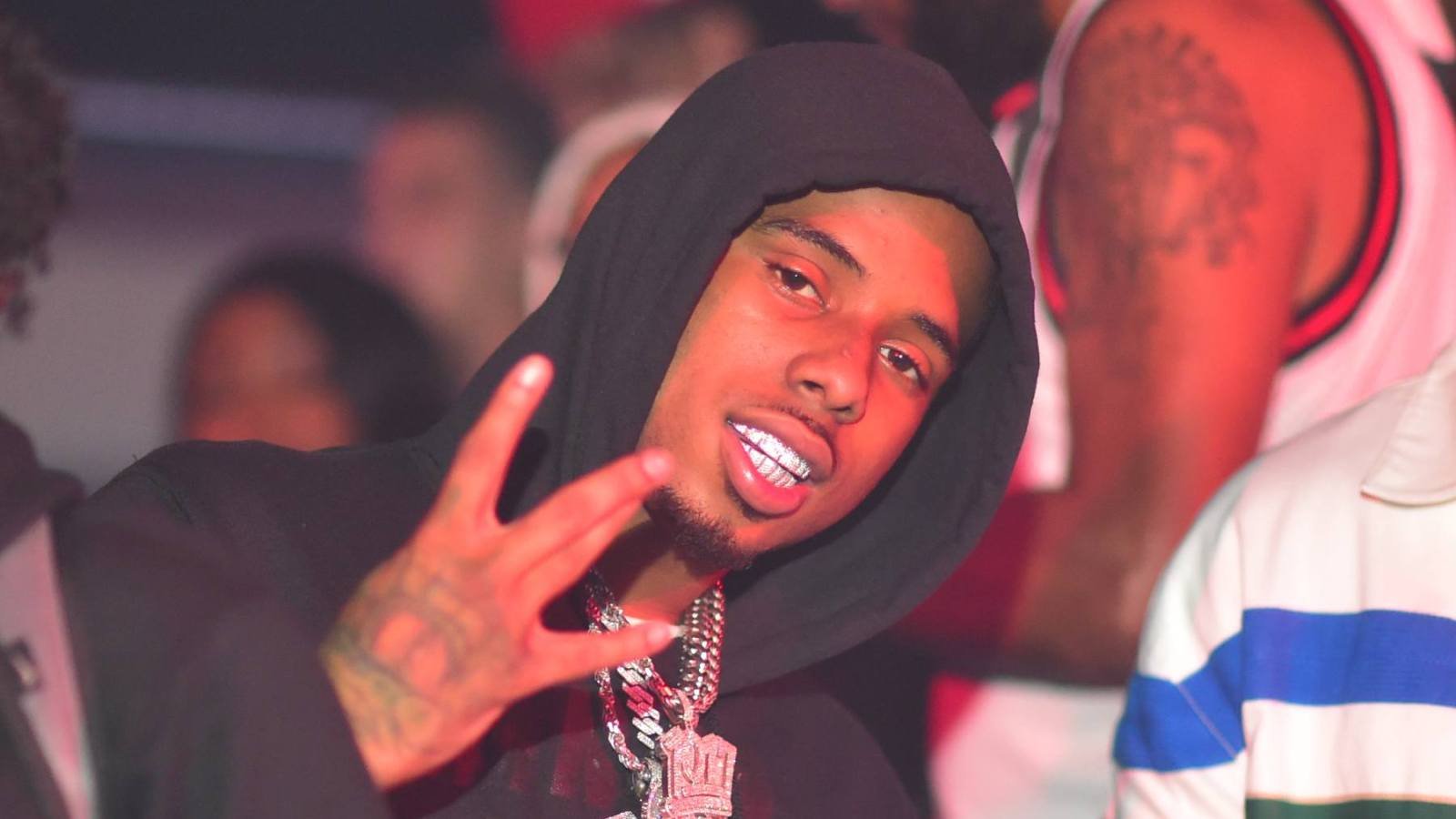
In a significant development within the legal proceedings against recording artist Pooh Shiesty, born Lontrell Williams Jr., a federal judge has decisively denied his request for bail. The decision comes amidst a complex legal battle involving charges stemming from an alleged robbery and shooting incident in Miami-Dade County. The court's ruling, which cited the presentation of 'credible evidence' by the prosecution, marks a critical juncture for the rapper, who is currently signed to Gucci Mane’s 1017 Records. This refusal to grant release underscores the serious nature of the allegations and the court's view of the evidence amassed against the artist.
Background of the Charges: The Miami Incident
The legal troubles for Pooh Shiesty trace back to an incident on October 9, 2020, in Bay Harbor Islands, Florida. According to federal prosecutors, Williams Jr. and several co-defendants were involved in an alleged armed robbery and shooting that occurred during what was reportedly a meeting to purchase marijuana and high-end sneakers. Authorities claim that during the transaction, individuals associated with Williams Jr. brandished firearms, resulting in at least two victims being shot and significant amounts of cash and narcotics being stolen. The federal charges include conspiracy to commit robbery, aggravated battery with a deadly weapon, and discharging a firearm during a violent crime. These accusations paint a grave picture, indicating a premeditated and violent encounter rather than a spontaneous dispute, which heavily influences judicial decisions regarding pretrial release.
The Alleged Robbery and Subsequent Investigation
The details emerging from the investigation suggest a meticulously planned operation that went awry. Court documents allege that Williams Jr. drove a McLaren sports car to the scene, and upon arrival, confronted two individuals. The indictment further claims that Williams Jr. and his co-defendants then discharged firearms, wounding two victims, before fleeing the scene with approximately $40,000 in cash and bags of marijuana. Law enforcement was reportedly able to link Williams Jr. to the scene through various pieces of evidence, including money found at the scene with his Instagram handle, as well as forensic analysis and witness testimonies. This confluence of digital and physical evidence significantly bolstered the prosecution's case, presenting a compelling narrative to the court during the bail hearing.
The Bail Hearing and Judicial Rationale
During the recent bail hearing, U.S. Magistrate Judge Lauren F. Louis presided over arguments from both the defense and the prosecution. The core of the prosecution's argument hinged on the perceived strength of the evidence, which they contended was not only substantial but also indicative of Williams Jr.'s potential danger to the community and his flight risk. The judge’s decision to deny bail was directly tied to the ‘credible evidence presented,’ suggesting that the prosecution successfully demonstrated that Williams Jr. poses a risk if released. This assessment is standard in federal cases, where judges weigh the severity of the charges, the strength of the evidence, the defendant’s criminal history, and potential for flight or obstruction of justice. The court's emphasis on ‘credible evidence’ implies that the materials submitted by the government—ranging from witness statements to forensic findings and electronic data—were sufficiently compelling to override the presumption of innocence for the purpose of pretrial release.
Defense Arguments: The 'Mystery Contract'
Pooh Shiesty's legal team, led by high-profile attorney Bradford Cohen, mounted a robust defense, characterizing the prosecution's case as 'very questionable.' A central tenet of their argument involved what Cohen referred to as a 'mystery contract,' which he asserted simply 'doesn’t exist.' This defense strategy aimed to undermine the credibility and foundation of the charges, implying that the entire case might be based on fabricated or non-existent agreements that are fundamental to the prosecution's narrative of conspiracy and robbery. Cohen likely sought to cast doubt on the transactional aspect of the alleged meeting, suggesting that if the underlying premise of a deal gone wrong—or a specific, implied agreement—is false, then the entire structure of the prosecution’s case against his client would crumble. However, the court's decision suggests that Cohen's arguments, particularly regarding the 'mystery contract,' were not sufficient to persuade the judge to grant bail, indicating the prosecution's evidence was strong enough to overcome these challenges at this preliminary stage.
Prosecution's Stance and Evidence Review
The prosecution, in contrast, maintained that their evidence was robust and directly implicated Pooh Shiesty in the violent incident. They likely presented a comprehensive overview of the collected materials, including surveillance footage, phone records, ballistic reports, and witness accounts. The specific mention of ‘credible evidence’ by the judge underscores the quality and reliability of these materials. Prosecutors likely detailed how Williams Jr.'s alleged actions fit the criteria for the federal charges, emphasizing the use of firearms and the resulting injuries, which elevates the severity of the crimes. Furthermore, they would have highlighted any past legal skirmishes or perceived patterns of behavior to argue against bail, painting a picture of a defendant who poses a risk to public safety or could potentially evade justice. This methodical presentation of corroborated evidence ultimately swayed the court against granting pretrial release, demonstrating the significant hurdles the defense still faces.
Implications for Pooh Shiesty's Career and Legal Future
The denial of bail has profound implications for Pooh Shiesty’s burgeoning music career. As an artist signed to Gucci Mane's 1017 Records, he had been gaining significant traction in the rap industry with hit songs and collaborations. Being held in federal custody indefinitely pending trial not only halts his ability to create new music, perform, or engage in promotional activities but also severely impacts his public image and financial stability. The prolonged legal battle and potential incarceration could derail a career that was on an upward trajectory. Furthermore, if convicted of the federal charges, Williams Jr. could face a substantial prison sentence, fundamentally altering the course of his life and professional aspirations. The legal process in federal cases can be lengthy and arduous, and without bail, the pressure on the defense to secure a favorable outcome intensifies dramatically, as the artist remains confined throughout.
Broader Context: Legal Challenges in the Music Industry
Pooh Shiesty's situation is unfortunately not an isolated incident in the music industry, particularly within the rap genre. Numerous artists have faced severe legal challenges that have either temporarily paused or permanently ended their careers. These cases often highlight the complex intersection of artists' backgrounds, the narratives they portray in their music, and the legal system's scrutiny. The pressures of fame, wealth, and street credibility can sometimes lead to situations that result in criminal charges, ranging from drug offenses to violent crimes. Such incidents underscore the importance of legal counsel and responsible conduct, even as artists navigate the complexities of their public and private lives. The industry often watches these cases closely, as they can set precedents for how legal issues are handled for high-profile figures, and how public perception can be shaped by ongoing legal battles.
The denial of bail for Pooh Shiesty is a significant turning point in his federal case, indicating the court’s assessment of the gravity of the charges and the strength of the prosecution's evidence. As the legal proceedings continue, the music world and fans alike will be closely watching for further developments. For more in-depth analyses of legal proceedings affecting the music industry and exclusive artist updates, continue exploring the comprehensive content available here at NAME OF SITE.
Fonte: https://www.rollingstone.com