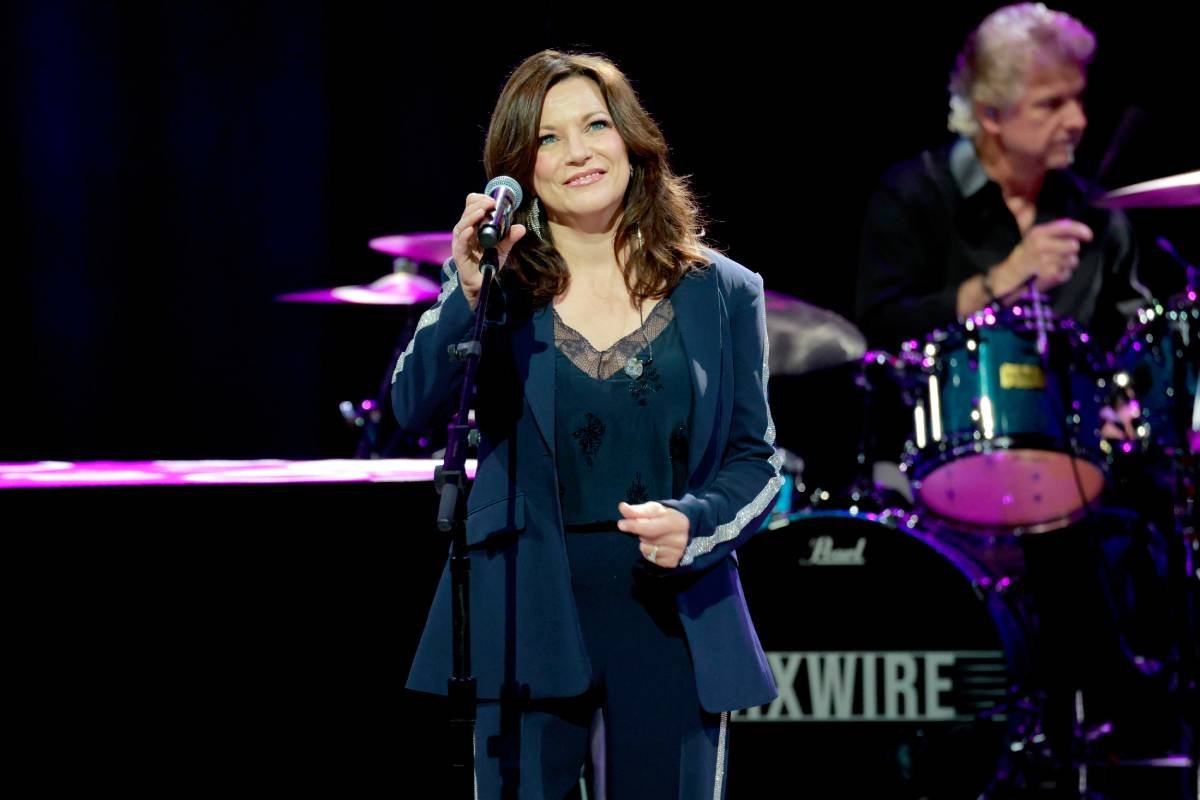
In a move that reverberated through both the music industry and political circles, Grammy-winning country music superstar Martina McBride announced her withdrawal from the Freedom 250 Concert. The event, reportedly organized by Keith Krach, a former Under Secretary of State under the Trump administration, faced mounting scrutiny and a growing exodus of talent. McBride’s decision underscored a significant trend among performing artists to distance themselves from politically charged events, particularly those perceived as 'misleading' or overtly partisan. Her departure was not an isolated incident but rather a prominent example of a wave of musicians re-evaluating their participation in events with strong political affiliations, highlighting the complex intersection of entertainment, politics, and public perception in contemporary America.
The Genesis and Controversy Surrounding the Freedom 250 Concert
The Freedom 250 Concert was conceptualized with intentions that, according to initial reports, aimed to celebrate particular American values or political movements. While specific details about its exact agenda were often vague, its association with former President Donald Trump and figures from his administration, such as organizer Keith Krach, immediately placed it within a highly politicized context. Krach, who served as Under Secretary of State for Economic Growth, Energy, and the Environment, brought a distinct political flavor to the event's organization. This affiliation meant that any artist agreeing to perform would inherently be linked, in the public eye, to a specific political ideology and its proponents. Such events often walk a fine line, aiming for broad appeal while simultaneously carrying underlying political messaging that can be interpreted differently by various audiences.
The controversy deepened as the concert's precise nature and objectives remained somewhat opaque. For artists, clarity and transparency regarding an event's purpose are paramount, especially when it carries political undertones. Without a clear mandate or a universally agreed-upon non-partisan cause, events linked to high-profile political figures risk being labeled as partisan rallies rather than inclusive celebrations. This ambiguity became a crucial factor for many artists, including McBride, as they weighed the potential impact on their public image and the breadth of their fan base, which typically spans diverse political affiliations.
Martina McBride's Principled Stand Amidst 'Misleading' Claims
Martina McBride, a respected figure in country music known for her powerful vocals and relatable lyrics, made her decision public after careful consideration. While her exact public statements regarding the 'misleading' nature of the concert were succinct, they resonated deeply with the sentiment shared by many of her peers. The implication was that the concert's true agenda, or the way it was presented to potential performers and the public, did not align with what McBride found acceptable or ethical for her brand. Artists often agree to participate in events based on certain premises, and if those premises prove to be deceptive or incomplete, it becomes a professional and moral imperative to withdraw.
The Ethical Dilemma for Performing Artists
For artists like McBride, the decision to participate in any event extends beyond a mere performance fee. It involves an endorsement, however implicit, of the event's organizers, purpose, and associated figures. In an increasingly polarized social and political landscape, artists face immense pressure from their fan bases, media, and even industry peers to align themselves with causes or figures that reflect their values, or conversely, to avoid those that do not. Withdrawing from an event, especially after initial agreement, is a significant step that can entail contractual repercussions and public scrutiny. However, for many, maintaining artistic integrity and avoiding association with what they perceive as 'misleading' or divisive platforms takes precedence over potential backlash.
A Cascade of Departures: The Wider Trend of Artistic Disengagement
McBride’s withdrawal was not an isolated incident but rather part of a discernible pattern. Numerous other artists, whose names were at various points linked to the Freedom 250 Concert, also quietly or publicly pulled out. This collective decision highlights a broader discomfort within the entertainment industry regarding direct association with overtly political events, particularly those tied to the Trump administration. The perception of such events often shifted rapidly, influenced by public discourse, social media reactions, and evolving political narratives. As news of each withdrawal spread, it created a domino effect, making it increasingly challenging for organizers like Keith Krach to secure and retain top-tier talent. Artists, keenly aware of their public image and the sensitivities of their diverse fan bases, increasingly prioritize neutrality or align themselves only with causes that command broad, non-partisan support.
The Role of Event Organizers and Political Affiliation
The involvement of figures like Keith Krach, a Trump appointee, inherently infused the Freedom 250 Concert with a specific political identity. While his experience in public service is undeniable, his clear affiliation with a politically charged administration became a significant hurdle in attracting and retaining talent aiming for broader appeal. Event organizers tied to political figures often face the challenge of clearly articulating an event's non-partisan value, if one exists, to prospective artists. Without such clarity, the event risks being perceived primarily as a political rally, which many artists actively seek to avoid in order to maintain a universal connection with their audience, irrespective of political leanings.
Implications for Political Rallies and Celebrity Endorsements
The series of withdrawals from the Freedom 250 Concert has broader implications for how political campaigns and figures seek celebrity endorsements and participation. In an era of heightened political division, direct celebrity involvement can be a double-edged sword. While it might energize a specific political base, it also risks alienating large segments of the population and, crucially, a significant portion of an artist’s own fan base. The trend suggests a growing reluctance among mainstream artists to lend their platforms to events that are not broadly perceived as unifying or humanitarian. This shift may force political entities to rethink their strategies for engaging with public figures and rely more on grassroots support or figures whose political alignments are already well-established and accepted by their audiences.
Furthermore, this incident underscores the power of artists to influence public discourse through their choices. By withdrawing, they send a clear message not only to the event organizers but also to their fans and the wider industry about the types of associations they are willing to make. This increasingly active role reflects a heightened sense of social responsibility among public figures, who are more than ever expected to use their platform thoughtfully and ethically.
Navigating Public Perception in a Polarized Landscape
In today’s hyper-connected world, where news travels instantaneously across social media platforms, public perception is a formidable force. Artists are acutely aware that a single association, particularly with a controversial political figure or event, can define their narrative for years to come. Maintaining a carefully curated public image, balancing artistic freedom with commercial viability, and navigating the demands of a diverse fan base have become integral parts of a celebrity's career. The decisions made by Martina McBride and others highlight a strategic move to preserve brand integrity and ensure continued broad appeal by avoiding entanglements that could be perceived as divisive or disingenuous by their audience. This incident serves as a stark reminder of the delicate balance artists must strike when considering their involvement in politically tinged public events.
As the lines between entertainment and politics continue to blur, such decisions by prominent figures will undoubtedly shape future interactions and expectations. The 'misleading' label applied to the Freedom 250 Concert by artists like McBride underscores a demand for transparency and a commitment to genuine purpose over perceived political maneuvering. It reflects a maturing understanding among artists of their influential roles and the responsibility that comes with their public platforms.
Delve deeper into the evolving dynamics of celebrity endorsements, political events, and the music industry's intricate relationship with public figures. For more in-depth analyses, exclusive interviews, and breaking news from the intersection of entertainment and current affairs, continue exploring NAME OF SITE today. Your journey into comprehensive journalism starts here!
Fonte: https://www.rollingstone.com