The landscape of Marvel Comics is ever-evolving, with new stories frequently casting existing narratives in a fresh light. One of the most seismic events in the Marvel Universe, the original <i>Civil War</i>, is once again at the forefront of discussion, thanks to recent revelations that profoundly alter the perception of Tony Stark, also known as Iron Man. For years, Stark's role as the primary advocate for the Superhuman Registration Act placed him squarely in an antagonist light for many fans and characters alike. However, a deeper understanding of his motivations, brought forth by new canonical developments, now positions him not merely as a proponent of an unpopular law, but as a pivotal, albeit complex, hero whose actions were driven by a profound sense of responsibility and foresight.
The Original Civil War: A Fractured Foundation
To fully appreciate the gravity of Iron Man's re-evaluation, it's essential to revisit the tumultuous period of the original 2006-2007 <i>Civil War</i> storyline. The saga began with a catastrophic incident in Stamford, Connecticut, where a reality television crew, filming a battle between the New Warriors and the villain Nitro, inadvertently caused a massive explosion. This tragedy resulted in the deaths of over 600 people, many of them schoolchildren, igniting a national outrage against unchecked superhuman activity. The public outcry led directly to the United States government's swift and decisive response: the Superhuman Registration Act (SRA).
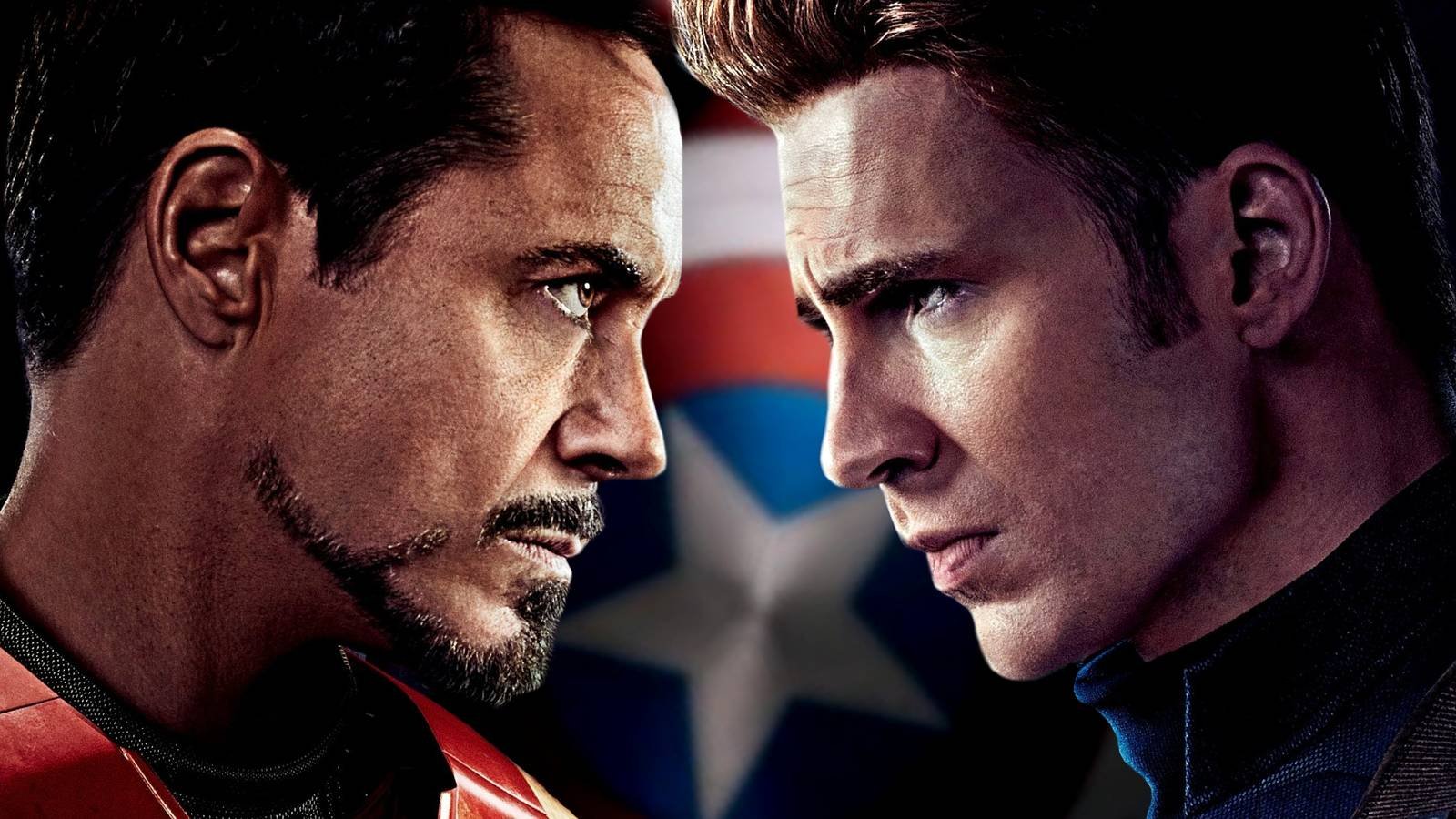
The SRA mandated that all individuals with superhuman abilities register with the government, reveal their secret identities, and undergo training. This legislative move cleaved the superhero community into two warring factions. On one side stood the pro-registration forces, led by Iron Man, who believed that accountability and government oversight were necessary to prevent future tragedies and maintain public trust. On the other were the anti-registration rebels, staunchly led by Captain America, who viewed the SRA as a violation of civil liberties and a betrayal of the heroic ideal of anonymity and freedom. The ensuing conflict saw former allies become bitter enemies, leading to devastating battles, the creation of a super-prison in the Negative Zone, and ultimately, the tragic assassination of Captain America himself.
Iron Man's Burden: A Reassessment of His Pro-Registration Stance
While Tony Stark’s actions during <i>Civil War</i> were often portrayed as arrogant, authoritarian, or even Machiavellian, recent narrative developments in the Marvel canon have layered his motivations with previously unrevealed complexities. These new insights suggest that Stark's fervent support for the SRA stemmed not from a desire for control or power, but from a desperate, albeit misguided, attempt to prevent an even greater global catastrophe. It is now understood that Tony possessed information or perceived threats that compelled him to believe the SRA was the lesser of two evils, a necessary, painful measure to avert a more devastating future for both humanity and the superhuman community.
This recontextualization paints Iron Man as a tragic figure burdened by foresight, forced to make impossible choices with profound ethical implications. His pragmatism, often seen as cold and calculating, can now be interpreted as a desperate strategy to navigate a world teetering on the brink. The weight of potential future disasters, coupled with the immediate aftermath of Stamford, likely pushed Stark to adopt an unflinching stance, sacrificing his own reputation and relationships for what he believed was the greater good. This perspective transforms his contentious actions into a profound act of self-sacrifice, where he willingly became the villain in the eyes of many to save a future that only he could foresee collapsing without intervention.
Beyond the Black and White: Tony Stark's Complex Ethics
The moral landscape of <i>Civil War</i> was never truly black and white, and Tony Stark's character has always thrived in shades of gray. Captain America represented an unyielding idealism, a belief in fundamental freedoms above all else. Iron Man, however, often embodied a more utilitarian ethic, willing to compromise personal freedoms for collective safety, especially when faced with existential threats. The new understanding of his underlying motivations deepens this ethical divide, transforming his perceived villainy into a form of sacrificial heroism. His methods were certainly aggressive and controversial, including recruiting villains, cloning Thor, and constructing a Negative Zone prison for his former friends. Yet, these extreme measures, when viewed through the lens of averting a larger, unseen threat, suggest a character making agonizing, morally ambiguous decisions under immense pressure.
This revised perspective challenges readers and characters alike to reconsider their initial judgments. It highlights the internal conflict Stark must have endured, balancing his personal convictions and friendships against a crushing sense of responsibility for global security. His willingness to be hated, to shatter long-standing alliances, and to compromise his own moral compass for a perceived greater good elevates his role beyond that of a mere antagonist to a genuinely complex hero, one whose heroism is defined by sacrifice rather than traditional glory.
The Enduring Impact of Civil War and Iron Man's Legacy
The consequences of <i>Civil War</i> reverberated throughout the Marvel Universe for years, permanently altering character dynamics and the very fabric of the heroic community. Trust was broken, friendships fractured, and the line between hero and villain blurred. The Superhuman Registration Act eventually faced challenges and modifications, but its impact on public perception and government-superhuman relations was indelible. This redefinition of Iron Man's role doesn't erase the suffering caused by the conflict, but it does add a layer of tragic understanding to its origins, particularly from Stark's perspective. It suggests that while the visible conflict was devastating, Iron Man might have been fighting a quieter, more profound battle against an unseen force, mitigating what could have been an even more catastrophic outcome.
This new context forces a re-evaluation of Tony Stark's entire character arc, especially how his decisions during <i>Civil War</i> influenced his later actions and relationships. It underscores the profound loneliness of leadership when confronted with impossible choices, where the right path is obscured by ethical ambiguities and personal costs. His legacy as Iron Man, already complex due to his genius, flaws, and ultimate sacrifices, is now enriched with a deeper, more poignant understanding of the immense burden he carried during one of Marvel's darkest periods. It humanizes a character often seen as arrogant, revealing a man grappling with overwhelming responsibilities and making the toughest decisions imaginable.
Why This Reinterpretation Matters to Fans and Canon
The power of serialized storytelling, particularly in comic books, lies in its capacity for evolution and reinterpretation. By adding new layers to established events, Marvel keeps its narratives vibrant and relevant. This recontextualization of Iron Man's role in <i>Civil War</i> is not merely a retcon; it's an enrichment of character depth that invites readers to revisit a seminal storyline with fresh eyes. It challenges preconceived notions, encourages critical thinking about complex moral dilemmas, and fosters a deeper appreciation for the nuanced motivations that drive even the most iconic heroes.
For long-time fans, it provides a compelling reason to re-engage with a story they thought they knew, uncovering hidden heroism in a character often maligned. For new readers, it offers a more intricate entry point into the moral ambiguities that define the Marvel Universe. Such narrative shifts confirm that even definitive events can yield new truths, allowing characters to grow and resonate in unexpected ways. It ensures that the legacy of <i>Civil War</i> remains a fertile ground for exploration, demonstrating that heroism itself can be a heavy, often thankless, burden, especially when viewed through the shifting sands of time and revelation.
The redefinition of Iron Man's role in <i>Civil War</i> stands as a testament to Marvel's continuous effort to deepen its lore and challenge reader perspectives. It transforms a polarizing figure into a profoundly tragic hero, whose unpopular stance was arguably driven by a dire foresight and a willingness to bear an immense burden for the greater good. To delve deeper into the intricate narratives and evolving characters of the Marvel Universe, continue exploring the vast content available right here on NAME OF SITE, where every story holds layers waiting to be uncovered.
Fonte: https://screenrant.com