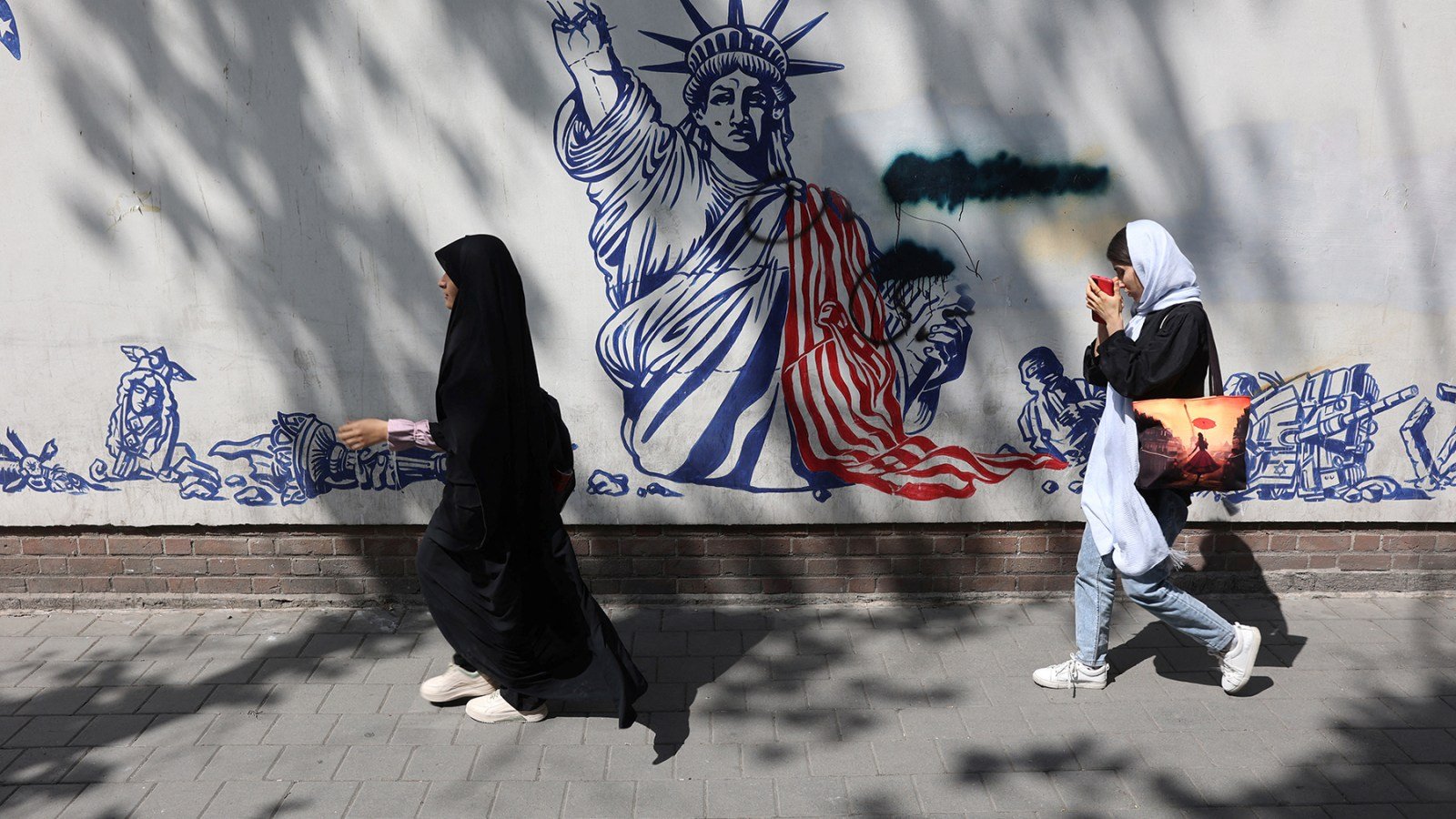
For the average Iranian citizen, the geopolitical landscape is not a distant abstraction but a palpable, daily reality that shapes every aspect of their lives. Amidst a complex interplay of regional rivalries, international sanctions, and domestic pressures, the future remains profoundly uncertain. The sentiment captured by the stark statement, 'We Are All Exhausted,' resonates deeply within a society that has endured decades of external scrutiny and internal challenges, leaving its populace feeling caught between forces seemingly indifferent to their welfare. This exhaustion is not merely physical; it is a pervasive mental, emotional, and economic fatigue stemming from relentless instability and the constant struggle for normalcy.
The Intricate Web of Geopolitical Conflict
The 'conflict' often referred to in discussions about Iran is rarely a conventional war fought on its borders, but rather a multifaceted struggle encompassing economic warfare, proxy conflicts across the Middle East, and a perpetual state of heightened tension with global powers. Iran's strategic location, vast oil reserves, and unique political system place it at the epicenter of numerous international disputes. The country's nuclear program, its support for various non-state actors in the region—such as Hezbollah in Lebanon or Houthi rebels in Yemen—and its adversarial relationship with countries like the United States, Israel, and Saudi Arabia all contribute to an environment of constant friction. These elements create a complex web of alliances and antagonisms that directly impact Iran's international standing and, consequently, the well-being of its citizens. The ripple effects of these geopolitical maneuvers, from cyber warfare to covert operations, maintain a perpetual state of alert and anxiety within the nation.
The Shadow of Sanctions
A primary instrument of international pressure against Iran has been comprehensive economic sanctions, primarily imposed by the United States and its allies. These measures, designed to curtail Iran's nuclear ambitions and regional influence, have had a devastating impact on the country's economy. Restrictions on oil exports, the lifeblood of Iran's economy, have severely limited government revenues. Furthermore, prohibitions on international banking and trade have isolated Iran from global financial systems, making it exceedingly difficult for Iranian businesses to operate and for the country to import essential goods. While the stated goal of sanctions is often to pressure the government, their most immediate and severe consequences are felt by ordinary people, leading to soaring inflation, a depreciating currency, widespread unemployment, and a scarcity of vital resources, including medicines and crucial industrial components.
Economic Hardship and the Erosion of Daily Life
The tangible effects of sanctions and regional instability manifest in the daily lives of Iranians. Inflation rates have frequently reached staggering levels, rendering savings worthless and making basic necessities unaffordable for many families. The price of food, housing, and transportation fluctuates wildly, creating an environment of profound financial insecurity. Small and medium-sized businesses, which are critical for employment, struggle to access raw materials or engage in international trade, leading to closures and job losses. This economic strain forces many to work multiple jobs, often under precarious conditions, just to make ends meet. The middle class, once a stabilizing force, finds itself increasingly squeezed, with many falling into poverty. Furthermore, the brain drain—the emigration of educated and skilled professionals—exacerbates the country's economic woes, as talented individuals seek better opportunities and stability abroad, depriving Iran of crucial human capital for future development.
The Pervasive Shadow of Societal Exhaustion
Beyond the economic indicators, the collective cry of 'We Are All Exhausted' speaks to a deeper, more profound societal fatigue. Living under constant pressure, with an uncertain future, takes an immense toll on mental health. Stress, anxiety, and depression are prevalent as individuals grapple with economic insecurity, limited social freedoms, and a feeling of being perpetually misunderstood or demonized by the international community. The youth, in particular, face a profound disillusionment. Many feel that their aspirations for a better future are stifled by the prevailing political and economic climate. Opportunities for education, employment, and social engagement are constrained, leading to widespread frustration and a sense of hopelessness. This exhaustion is also evident in the social fabric, where trust in institutions can erode, and the collective spirit can wane under the weight of unrelenting challenges, making it difficult for society to mobilize for positive change.
Internal Dynamics and the Quest for Reform
The external pressures on Iran are compounded by significant internal dynamics, including calls for reform and greater social freedoms. Over recent years, various protest movements, often sparked by economic grievances or demands for civil liberties, have emerged across the country. These demonstrations, though frequently met with suppressive measures, highlight a deep-seated desire among many Iranians for change. The political landscape itself is a complex interplay between hardliners and reformists, each vying for influence and offering different visions for the nation's future. The internal debate often centers on how best to navigate the challenges posed by the international community while also addressing the socio-economic needs and aspirations of the Iranian populace. The government faces the delicate task of maintaining stability while responding to genuine citizen grievances, all under the watchful eyes of both domestic and international observers.
International Relations and Iran's Strategic Dilemmas
From an international perspective, Iran often finds itself in a strategic dilemma, balancing its quest for regional influence and national sovereignty with the need for economic stability and diplomatic engagement. The nuclear deal (Joint Comprehensive Plan of Action or JCPOA) represents a pivotal moment in this ongoing balancing act, demonstrating both the potential for de-escalation and the fragility of international agreements in the face of shifting political tides. Iran's relationships with countries like China and Russia have grown in importance as a counterweight to Western pressure, providing economic lifelines and diplomatic support. However, these partnerships do not fully alleviate the isolation caused by sanctions. The nation's foreign policy is thus a careful calibration of asserting its regional power while attempting to mitigate the adverse effects of its strained relationships with Western powers, constantly seeking avenues to protect its interests and ensure its security in a volatile global environment.
The narrative of Iranians grappling with an uncertain future is one defined by remarkable resilience alongside profound weariness. The cumulative impact of sanctions, regional conflicts, and internal struggles has forged a society that continues to seek stability and opportunity amidst overwhelming challenges. The human cost of these protracted tensions is immeasurable, underscoring the urgent need for pathways towards sustainable peace and economic relief that prioritize the welfare of ordinary citizens. To delve deeper into the intricate dynamics shaping the Middle East and beyond, we invite you to explore more of our comprehensive analyses and reports on [NAME OF SITE].
Fonte: https://www.rollingstone.com