Eighty-six years ago today, on April 25, 1940, the landscape of comic book storytelling was irrevocably transformed with the publication of <i>Batman #1</i>. This seminal issue marked not only the Caped Crusader's inaugural solo outing but also the simultaneous introduction of two of the most iconic and enduring antagonists in pop culture history: the Joker and Catwoman. Their arrival heralded a new era for superhero comics, moving beyond the simple thugs and mad scientists that typically challenged heroes, and laying the groundwork for the complex, multifaceted villains that would define the genre for decades to come. Their distinct personalities and groundbreaking characterizations immediately set them apart, establishing archetypes that continue to influence creators and captivate audiences globally.
The Dawn of a New Era in Comics
Before April 1940, the burgeoning comic book industry was finding its footing. While superheroes like Superman and Batman had quickly gained popularity, their adversaries were often one-dimensional, serving primarily as plot devices rather than integral parts of the narrative fabric. Criminals, mobsters, and generic scientists were common foes, lacking the distinctive visual flair, deep-seated motivations, or personal connection to the hero that would become hallmarks of the supervillain. This context makes the debut of the Joker and Catwoman in <i>Batman #1</i> even more profound. Conceived by Bill Finger, Bob Kane, and Jerry Robinson, these characters were designed to be more than just obstacles; they were reflections, foils, and even dark mirrors to the Dark Knight himself, embodying different facets of Gotham's underbelly and challenging Batman on both physical and psychological levels.
"Batman #1": A Landmark Publication
<i>Batman #1</i> was a pivotal release, comprising multiple short stories that showcased Batman and Robin battling crime in Gotham City. Within its pages, readers were treated to not one, but two narratives featuring the Joker, titled "The Joker" and "The Joker Returns," cementing his immediate prominence. Simultaneously, Selina Kyle, then simply known as "the Cat," made her first appearance in the story "The Cat." While some initial character attributes, such as Catwoman's initial costume resembling an elderly woman's attire, would later evolve, the core essences of both villains were unmistakably present. The Joker's sinister glee and chaotic methods were evident from the start, as was Catwoman's cunning intellect and alluring, dangerous charm. This simultaneous debut in a hero's very first solo comic signaled the importance these characters were intended to hold in Batman’s burgeoning mythos.
Redefining Villainy: The Joker's Unprecedented Chaos
The Joker's introduction was an immediate and shocking departure from the conventional villains of the era. Prior antagonists often had tangible goals—money, power, conquest. The Joker, however, was a force of pure, unpredictable chaos, driven by an enigmatic desire to spread misery and death purely for his own amusement. His vibrant, clown-like appearance starkly contrasted with Batman's dark, brooding aesthetic, establishing him as the Caped Crusader's definitive antithesis. He was the first costumed criminal to possess such a striking visual identity combined with a twisted psychological profile, creating a new benchmark for what a supervillain could be. His immediate impact was so profound that despite initial plans for his quick demise, his overwhelming popularity ensured his survival, securing his place as one of fiction's most iconic figures.
The Enduring Archetype of the Clown Prince
Over the decades, the Joker has evolved through various interpretations, from a comical trickster in the Silver Age to a genuinely terrifying psychopath in modern comics, but his core identity as a harbinger of chaos remains. He has inspired countless other villains across different superhero franchises, demonstrating how a memorable appearance, a unique gimmick, and a terrifying philosophy can create an adversary with lasting resonance. His lack of a clear origin story in many portrayals only adds to his mystique, reinforcing his role as an elemental force of disruption rather than a mere criminal. This depth allowed for complex narratives, exploring themes of morality, justice, and the thin line between order and anarchy, making him much more than just a recurring enemy.
Catwoman: A Nuanced Counterpoint
Catwoman's debut, while perhaps less explosively chaotic than the Joker's, was equally groundbreaking in its subtlety and implications. As "the Cat," she embodied the classic film noir trope of the femme fatale: beautiful, cunning, and morally ambiguous, pursuing priceless artifacts with a seductive allure. She wasn't an overtly evil force but a shrewd opportunist operating in the gray areas of morality. Her character challenged the black-and-white morality prevalent in early superhero comics, presenting an antagonist who could evoke sympathy, admiration, and even romantic tension. This complexity allowed for a more dynamic and nuanced interaction with Batman, pushing the boundaries of what hero-villain relationships could entail.
The Complex Dance: Batman and Catwoman's Dynamic
From their very first encounter, an undeniable chemistry sparked between Batman and Catwoman. Batman was drawn to her beauty and quick wit, while Catwoman openly flirted with him, even suggesting a criminal partnership. This dynamic—a hero wrestling with his duty while simultaneously captivated by an adversary—was revolutionary for the time. It introduced the concept of a recurring enemy who wasn't simply an evil to be vanquished but a complex individual with whom the hero shared a complicated, often romantic, bond. This interplay has become one of the most celebrated and enduring relationships in comic book history, proving that adversaries don't always have to be diametrically opposed and can, in fact, enrich each other's narratives through their conflicting yet intertwined destinies. Her evolution into an anti-hero further solidified her unique position, blurring the lines between hero and villain and demonstrating the potential for growth and redemption.
The Lasting Legacy: Shaping the Superhero Genre
The simultaneous introduction of the Joker and Catwoman in <i>Batman #1</i> was more than just a clever narrative device; it was a foundational moment for the superhero genre. Before their arrival, heroes primarily battled generic threats like mad scientists, gangsters, and foreign spies (like Nazis during wartime), whose appeal and narrative sustainability were limited. These earlier antagonists often lacked the distinctive personalities and visual identities necessary to become recurring, memorable threats. The Joker and Catwoman, with their unique names, iconic designs, and distinct motivations, established the blueprint for the modern costumed supervillain. They demonstrated that compelling adversaries were crucial for the longevity and depth of superhero stories, providing worthy foils who could challenge heroes both physically and ideologically, thus ensuring the genre's enduring appeal.
The Spectrum of Supervillainy
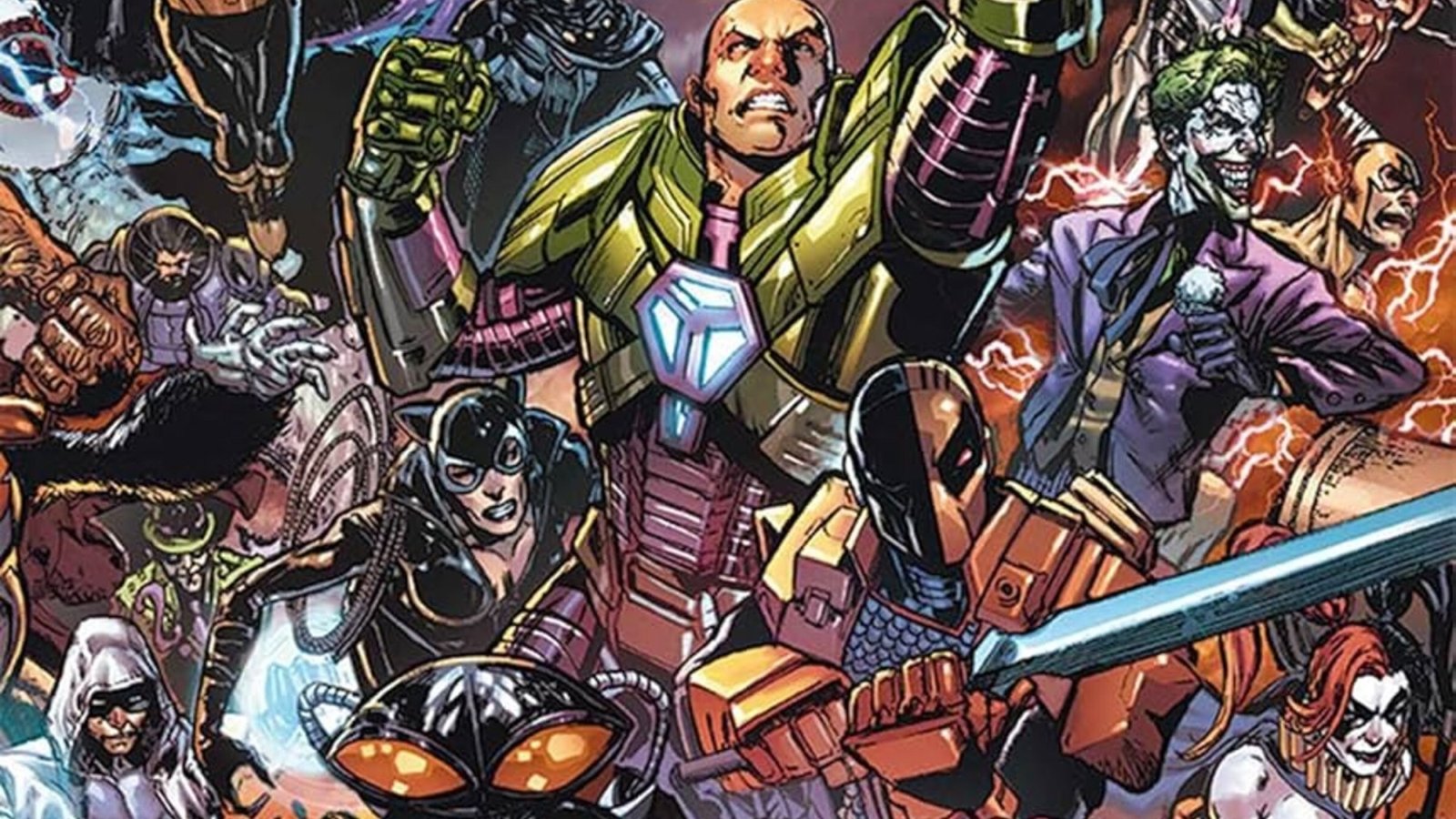
Together, the Joker and Catwoman represent the two extreme poles of villainy and moral ambiguity that have become central to comic book storytelling. The Joker embodies absolute, unyielding evil and nihilistic chaos, a force of nature driven by a desire to dismantle order. Catwoman, conversely, represents the shades of gray, the allure of the illicit, and the blurred lines between right and wrong. She is often motivated by self-interest, thrill-seeking, or even a twisted sense of justice, possessing a capacity for both villainy and heroism. This dichotomy provided Batman's world with a rich tapestry of conflicts, ensuring that his struggles were not just against crime but against the complex moral and psychological challenges these characters presented. Their dual legacy proves that well-crafted antagonists are not merely obstacles but essential components that define a hero and enrich the entire fictional universe.
The eighty-six years since the debut of the Joker and Catwoman have cemented their status as foundational pillars of the superhero genre. Their groundbreaking introductions in <i>Batman #1</i> didn't just give Batman two formidable foes; they redefined what a supervillain could be, elevating them from disposable plot devices to complex characters integral to a hero’s identity and the narrative's enduring appeal. Their legacy continues to resonate, inspiring countless stories and shaping our understanding of good versus evil, chaos versus order, and the intricate dance between heroes and their adversaries. To delve deeper into the rich history of DC Comics and explore more iconic moments that shaped the industry, continue browsing NAME OF SITE for exclusive content and in-depth analyses.
Fonte: https://comicbook.com