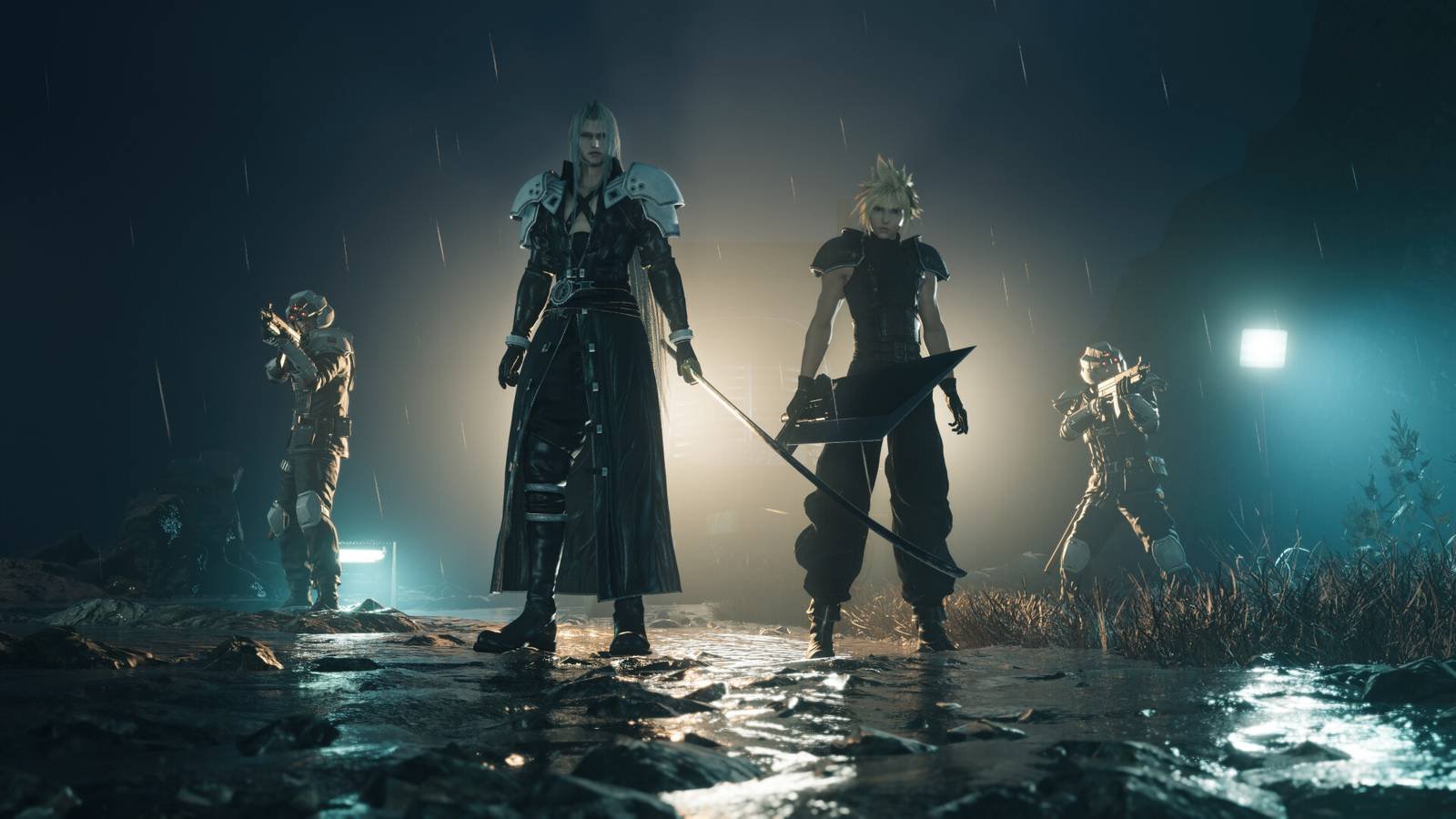
The highly anticipated third installment of the Final Fantasy VII Remake saga, colloquially referred to as Part 3, is generating significant buzz within the gaming community. Recent developments suggest that the project has reached a crucial milestone: its official title has been selected. This seemingly straightforward announcement carries profound implications, not least of which is the indication that the game's release might occur considerably sooner than the widespread expectation of 2028. This accelerated timeline, following the four-year gap between its predecessors, Final Fantasy VII Remake and Final Fantasy VII Rebirth, hints at a refined development process and a strategic shift from Square Enix, potentially reshaping the anticipation for one of the decade's most ambitious video game projects.
The Ambitious Remake Saga: A Brief Retrospective
The journey to reimagine Final Fantasy VII, a landmark title in video game history, began in earnest with the release of Final Fantasy VII Remake in April 2020. This first chapter captivated players by reinterpreting Midgar's opening segment, expanding its narrative scope, characters, and gameplay mechanics far beyond the original's boundaries. It set a new standard for modern remakes, blending nostalgia with innovative design choices while introducing significant narrative deviations that hinted at a new destiny for Cloud Strife and his companions. The initial installment garnered critical acclaim for its stunning visuals, revamped combat system, and compelling character portrayals, laying a robust foundation for the multi-part saga.
Building upon this foundation, Final Fantasy VII Rebirth, the second chapter, launched in February 2024. This expansive follow-up continued the narrative immediately after the events of Remake, taking players beyond Midgar into the vast and iconic world of Gaia. Rebirth significantly broadened the scope, introducing a semi-open world structure, new traversal options, and an even deeper dive into the lore and relationships of its extensive cast. The development of Rebirth was a monumental undertaking, resulting in a substantial four-year development cycle. This timeframe naturally led many fans and industry analysts to project a similar, if not longer, wait for the concluding Part 3, making the current news of an earlier potential release particularly surprising and intriguing.
Breaking the Mold: Why Sooner Than Expected?
The common assumption of a 2028 release date for Final Fantasy VII Remake Part 3 was largely a logical extrapolation based on the production timelines of its predecessors. The initial Remake took several years, and Rebirth, with its expanded scope and ambition, required four years from its predecessor's launch. However, the latest indications from Square Enix's creative leads suggest that the team is progressing at an accelerated pace. This shift challenges previous expectations and points towards an optimized development strategy that could see the final chapter arrive much earlier, potentially in late 2026 or 2027, a timeframe that would undoubtedly excite the global fanbase.
Leveraging Prior Development and Streamlined Workflows
One of the primary factors contributing to this expedited timeline is the established technological framework and asset base. With two major installments already developed on the same engine, the core systems, character models, environmental assets, and combat mechanics are largely in place. Developers can significantly reduce the initial setup and prototyping phases, allowing them to focus more directly on content creation, narrative implementation, and world-building specific to the concluding chapter. Lessons learned from the production of Remake and Rebirth, particularly concerning resource allocation and workflow efficiencies, are now likely being applied to streamline the final game's development, minimizing potential roadblocks and accelerating the overall pace.
The Narrative Imperative and Creative Focus
Furthermore, the structured, multi-part nature of the Final Fantasy VII Remake project provides a unique advantage. Unlike entirely new intellectual properties, the overarching narrative, character arcs, and significant plot points for Part 3 are already outlined, drawing from the beloved original story while incorporating the new twists introduced in the Remake saga. Having a defined narrative framework allows the creative team to concentrate on execution rather than extensive conceptualization, from crafting compelling side quests to designing climactic boss battles. The selection of the official title itself reinforces this, indicating a clear vision for the game's thematic direction and core messaging, which can significantly accelerate content development.
The Significance of a Chosen Title
The formal selection of Final Fantasy VII Remake Part 3's title is more than a mere administrative detail; it is a critical project milestone. In large-scale game development, the title often encapsulates the game's core theme, its narrative focus, and even subtle hints about its dramatic conclusion. Choosing a title signifies that key narrative beats, character arcs, and the overarching thematic direction have been largely finalized by the creative leadership, particularly director Tetsuya Nomura and producer Yoshinori Kitase. This decision suggests a significant degree of narrative locking, meaning the core story elements are firm, paving the way for full-scale asset production, scriptwriting, and level design with a clear vision in mind. It signals confidence in the project's direction and a readiness to move into more intensive production phases.
What to Anticipate for the Concluding Chapter
As players eagerly await further details, the concluding chapter of the Final Fantasy VII Remake saga promises to deliver an epic resolution to the intertwined destinies of Cloud, Aerith, Tifa, Barret, and Sephiroth. Building on the dramatic cliffhanger of Rebirth, Part 3 is expected to tie up loose ends from the original narrative while fully exploring the new possibilities introduced by the 'Whispers' and the altered timeline. Fans can anticipate a rich tapestry of emotional storytelling, breathtaking set pieces, and a refined evolution of the combat system. The game will likely cover critical events leading to the final confrontation, delving deeper into character backstories and resolving the fate of Gaia. The earlier release window could also imply a more focused experience, though certainly not a diminished one, allowing the developers to deliver the climactic ending without unnecessary delays.
Square Enix's Strategy and Industry Impact
This accelerated development cycle for Final Fantasy VII Remake Part 3 reflects a broader strategic initiative by Square Enix. Delivering major titles more frequently can help maintain player engagement, sustain momentum for a tentpole franchise, and potentially optimize revenue streams. In an industry where development cycles often stretch for five years or more, demonstrating the ability to deliver high-quality, graphically intensive games within shorter windows could set a new benchmark. It also speaks to the studio's commitment to fulfilling the promise of the entire Remake project in a timely manner, ensuring that the saga concludes before player interest wanes or technological standards shift too dramatically, solidifying the franchise's legacy for a new generation.
The revelation that Final Fantasy VII Remake Part 3’s title is chosen, coupled with hints of an earlier launch, marks a pivotal moment for one of gaming’s most beloved narratives. As Square Enix continues its ambitious undertaking, the anticipation for the grand finale only intensifies. Stay tuned to NAME OF SITE for the latest updates, in-depth analyses, and exclusive insights as we follow every development of this monumental saga. Don't miss out on critical news and discussions; explore our extensive collection of articles on Final Fantasy VII Remake and beyond, and join the conversation with fellow enthusiasts on our platform.
Fonte: https://screenrant.com