Few characters in cinematic history command the same immediate recognition and chilling respect as Darth Vader. His imposing silhouette, the rhythmic wheeze of his respirator, and his undeniable presence have cemented him as one of fiction's greatest villains. A decade ago, fans were treated to a potent reminder of Vader's terrifying power in "Rogue One: A Star Wars Story," a film that quickly established itself as a fan-favorite and a critical success. Now, as the Star Wars franchise continues its ambitious expansion, the Dark Lord of the Sith is officially set to return in a new series connected to the "Rogue One" narrative, promising to delve deeper into a pivotal era of galactic conflict. This announcement has ignited significant anticipation, signaling a continued commitment to enriching the stories surrounding the original trilogy and, specifically, the events that led directly to "A New Hope."
The decision to revisit and expand upon the "Rogue One" storyline, particularly with the inclusion of Darth Vader, underscores the strategic approach Disney and Lucasfilm are taking with the Star Wars universe. "Rogue One" not only provided crucial context for the original films but also introduced a grittier, more grounded perspective on the Rebellion's struggle against the Empire. Its success paved the way for further exploration, most notably with the critically acclaimed series "Andor," which serves as a prequel to the events of "Rogue One." The return of Vader, even if for a brief but impactful role, promises to amplify the tension and stakes, offering new insights into the Empire's iron grip during a desperate time for the nascent Rebel Alliance.
The Unparalleled Legacy of Darth Vader
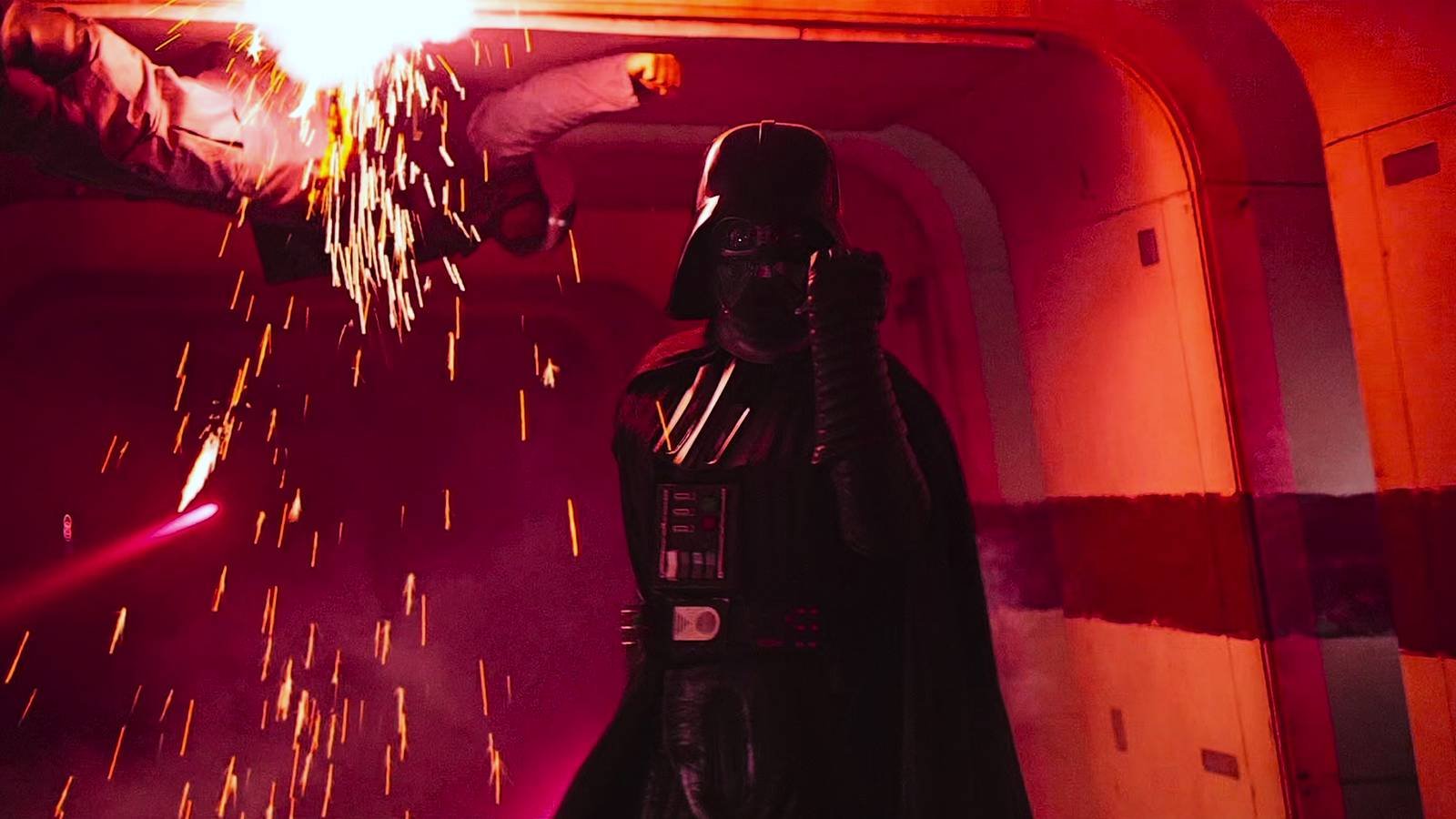
Darth Vader is more than just a character; he is a cultural icon, representing the ultimate fall from grace and the corrupting power of the dark side. From his first appearance in "A New Hope" to his pivotal role in "The Empire Strikes Back" and his ultimate redemption in "Return of the Jedi," Vader's narrative arc is central to the entire Skywalker saga. His presence in "Rogue One" was a masterclass in impactful screen time, culminating in the now-legendary hallway scene that showcased his brutal efficiency and unwavering dedication to the Emperor's will. This moment vividly reminded audiences why he is feared across the galaxy, solidifying his status as a force of nature.
His limited but significant appearances in various Star Wars media, including comics, novels, and animated series, consistently highlight his complex nature as a tragic figure burdened by his past, yet utterly ruthless in his present. The return of Vader in any capacity is not merely fan service; it's an opportunity to further explore the nuances of his character, perhaps showing his interactions with other Imperial officers, his strategic prowess in combating the Rebellion, or even glimpses into his internal torment as Anakin Skywalker. Such depth enriches the entire canon, providing valuable context for his eventual path towards redemption and his relationship with his son, Luke Skywalker.
Rogue One: A Decade of Definitive Storytelling
Released in 2016, "Rogue One: A Star Wars Story" marked a significant turning point for the franchise. It was the first standalone film outside the episodic Skywalker saga, tasked with filling a crucial narrative gap: how the Rebel Alliance acquired the Death Star plans. The film delivered an unprecedented level of grittiness and sacrifice, portraying the Rebellion's struggle with a darker, more realistic tone than previous entries. Its climactic battle on Scarif, culminating in the tragic success of its heroes, resonated deeply with audiences, proving that Star Wars could thrive with stories that didn't directly involve the Jedi or Sith as central figures, yet still tied into the larger mythological framework.
The success of "Rogue One" was multifaceted. Critically, it was praised for its innovative storytelling, stunning visual effects, and compelling new characters like Jyn Erso, Cassian Andor, and K-2SO. Commercially, it surpassed expectations, becoming one of the highest-grossing films of its release year. Its seamless connection to "A New Hope," ending literally moments before Princess Leia's ship is boarded by Vader, solidified its importance within the canon. The film demonstrated that audiences were eager for diverse narratives within the Star Wars universe, particularly those that offered a different perspective on the galactic civil war, focusing on the ordinary heroes who made extraordinary sacrifices.
Expanding the Narrative: Beyond Andor's Success
The triumph of "Rogue One" directly led to the creation of "Andor," a prequel series following the early days of Cassian Andor's involvement with the Rebellion. "Andor" has been widely lauded for its mature storytelling, intricate political espionage, and character-driven drama, elevating the Star Wars television landscape. Its critical acclaim proved there was a hunger for sophisticated narratives that delve into the complex moral ambiguities of war and rebellion, rather than solely focusing on lightsaber duels and Force powers. This series set a new benchmark for narrative depth and thematic exploration within the franchise, further validating the potential of the "Rogue One" era.
The announcement of a new series connected to "Rogue One" and featuring Darth Vader indicates a continued commitment to this rich period. While specifics about this new project remain eagerly anticipated, it suggests an expansion that could explore various untold stories. Perhaps it will focus on other characters involved in the intelligence gathering that led to the Death Star plans, detail other clandestine operations of the early Rebellion, or even provide an Imperial perspective on the escalating conflict. The presence of Vader strongly hints at significant Imperial operations or direct confrontations with nascent Rebel cells, offering a chance to see his command structure and ruthlessness in action, bridging the gap between "Revenge of the Sith" and "A New Hope" even further.
The Strategic Importance of Vader's Reappearance
Darth Vader's return is not just a nostalgic callback; it's a strategic narrative choice. His involvement inherently raises the stakes and provides a tangible threat that few other characters can match. In the context of a new "Rogue One" era series, Vader’s presence could serve multiple purposes. It could be used to demonstrate the sheer power and reach of the Galactic Empire, showcasing how they hunted down any glimmer of rebellion. It might also explore the internal politics and power struggles within the Imperial hierarchy, with Vader often acting as the Emperor's enforcer, cutting through incompetence and dissent. Such appearances cement his role as the ultimate instrument of Imperial order and fear.
Moreover, Vader’s interactions with other characters, whether new or established, can offer fresh perspectives on their motivations and fears. For new characters, encountering Vader immediately establishes the mortal danger they face. For existing figures, it can deepen their backstories or explain key decisions made during this tumultuous period. Fans have long speculated about untold Vader stories during this time, and a new series provides a perfect canvas to satisfy that curiosity while adding meaningful layers to the overarching Star Wars narrative, ensuring that his legend continues to evolve and captivate new generations of viewers.
The Enduring Appeal of Prequels and Expansions
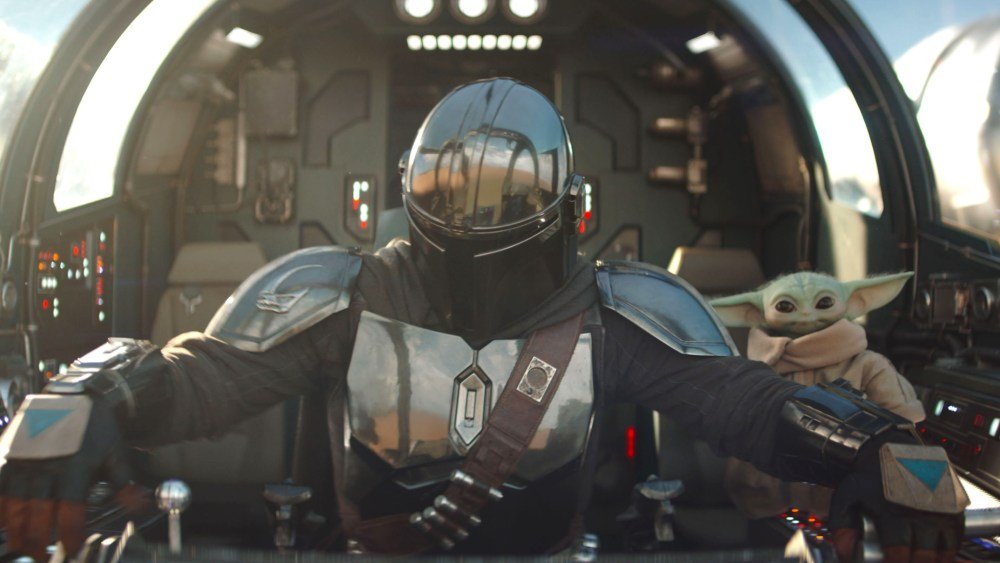
The continued success of Star Wars prequels, spin-offs, and expansions like "Rogue One," "Andor," and "The Mandalorian" highlights a crucial aspect of modern storytelling: the ability to enrich an established universe without relying solely on its core sagas. These ventures allow creators to explore diverse genres, tones, and perspectives, attracting a broader audience while deepening the connection for long-time fans. By filling in narrative gaps, exploring different corners of the galaxy, and showcasing the journeys of characters both new and familiar, the franchise remains dynamic and relevant. This strategy ensures that the Star Wars universe continues to grow, providing endless opportunities for compelling new stories.
The decision to bring back Darth Vader in a "Rogue One" related series is a testament to the character's timeless appeal and the creative team's understanding of what makes Star Wars truly resonate. It's an affirmation that some stories are so powerful, and some characters so iconic, that their narrative potential is virtually limitless. As the galactic civil war intensifies, exploring more of Vader's activities during this period offers not just exciting action, but also a deeper understanding of the forces at play, both light and dark, ultimately enriching the entire Star Wars canon for generations to come.
The return of Darth Vader to the "Rogue One" narrative promises an exhilarating expansion of a pivotal era in Star Wars lore. As we anticipate the revelations and intense drama this new series will undoubtedly bring, the excitement within the fandom is palpable. For all the latest updates, in-depth analyses, and comprehensive coverage of the Star Wars universe and beyond, be sure to keep browsing NAME OF SITE, your ultimate source for all things galactic and cinematic. We are constantly updating with new articles and discussions to keep you informed and entertained!
Fonte: https://screenrant.com