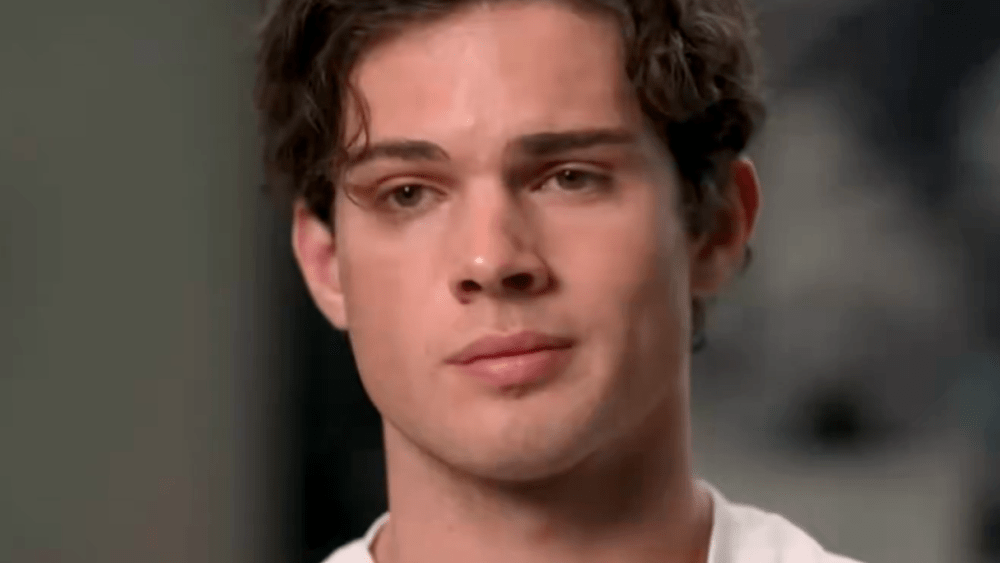
YouTube has once again taken decisive action against Braden Peters, widely known online as the 'looskmaxxing' streamer Clavicular, by terminating two of his operational channels. This recent removal underscores the platform's stringent enforcement of its community guidelines and terms of service, particularly concerning content that facilitates access to illegal or regulated goods and services. The incident marks another chapter in the controversial online presence of Clavicular, who has previously faced similar sanctions from the video-sharing giant, highlighting the ongoing challenges faced by both content creators and moderation platforms.
Understanding Clavicular and the 'Looksmaxxing' Phenomenon
Braden Peters, under his online moniker Clavicular, carved out a niche within the 'looksmaxxing' community on YouTube. This subculture, predominantly male, focuses on maximizing one's physical attractiveness through various means, often involving discussions on diet, exercise, cosmetic procedures, fashion, and sometimes more unconventional or medically dubious practices. Clavicular gained a following by sharing his perspectives and experiences within this realm, attracting viewers interested in self-improvement through an often extreme lens. While personal grooming and self-improvement are not inherently problematic, certain facets of the looksmaxxing community can veer into territories that promote unhealthy body image, encourage unregulated medical interventions, or facilitate the procurement of substances that are restricted or illegal.
The allure of looksmaxxing for some lies in the promise of tangible improvements to appearance and, by extension, social standing or personal confidence. However, critics argue that the movement can foster unrealistic expectations, body dysmorphia, and a susceptibility to misinformation, especially when discussions extend to potentially dangerous self-administered treatments or the use of unregulated supplements and drugs. Clavicular's content, according to YouTube, had crossed a line by facilitating access to websites that endorse or enable these prohibited activities, leading to the platform's intervention.
YouTube's Stance on Illegal and Regulated Goods or Services
YouTube's community guidelines are comprehensive, designed to protect its vast user base and maintain a safe online environment. Among these, the policy on 'Illegal or regulated goods or services' is particularly strict. This policy prohibits content that sells, offers, or promotes the sale of specific regulated products, such as firearms, certain dangerous chemicals, prescription drugs without a prescription, and certain types of alcohol or tobacco products. Crucially, it also extends to services that are illegal or that bypass regulatory frameworks, including instructions on how to purchase or manufacture illegal substances or services that circumvent licensing requirements.
In the context of 'looksmaxxing,' violations typically arise when creators endorse or link to sites that sell unapproved cosmetic injections, unregulated performance-enhancing drugs, or promote illicit surgical procedures. Such content poses significant health and safety risks to viewers who might be influenced to engage in dangerous practices. YouTube's terms of service explicitly prohibit creators from directing their audience to platforms or services that engage in these types of activities, regardless of whether the creator directly profits from such referrals. The platform’s robust enforcement mechanisms are designed to identify and remove content that breaches these vital safeguards, aiming to prevent harm and uphold legal standards.
A History of Violations and the 'Again' Factor
This is not Clavicular’s first encounter with YouTube’s disciplinary actions. As a YouTube spokesperson confirmed, his original channel was previously terminated in November 2023 for similar infractions related to facilitating access to websites that violate the platform's 'Illegal or regulated goods or services policies.' The phrase 'kicked off YouTube again' in the original reporting signifies a pattern of behavior and the platform's continued efforts to enforce its rules against repeat offenders. Following a termination, creators are generally prohibited from creating new channels to circumvent the ban. If new channels are identified as belonging to a previously banned creator, they are also subject to termination, often without warning.
The repeated termination of Clavicular's channels highlights the ongoing cat-and-mouse game between content moderation teams and creators who push the boundaries of platform policies. For some creators, the drive to maintain an online presence and audience can lead them to attempt to circumvent bans by creating new accounts, often under slightly altered names or on different email addresses. However, YouTube employs advanced detection systems, including metadata analysis, IP address tracking, and content similarity checks, to identify and shut down such attempts. This relentless pursuit of rule-breakers is crucial for the platform's credibility and its commitment to user safety.
Consequences for Creators and the Broader Moderation Landscape
For creators like Clavicular, a channel termination carries severe consequences. It means an immediate loss of audience, ad revenue, and the ability to connect with their community through YouTube, which for many, is their primary source of income and outreach. This can translate into significant financial hardship and a dramatic reduction in their digital footprint. Moreover, repeated violations can lead to permanent bans across all associated accounts, effectively cutting off a creator from the world's largest video-sharing platform indefinitely. This serves as a stark warning to other creators about the importance of adhering to community guidelines.
The ongoing saga of Clavicular also reflects the broader challenges inherent in content moderation at scale. Platforms like YouTube must constantly balance the principles of free expression with the necessity of maintaining a safe environment and adhering to legal obligations. This requires continuous updates to policies, investment in sophisticated moderation technologies, and the difficult task of making nuanced judgments about millions of hours of uploaded content daily. The consistent enforcement against figures like Clavicular demonstrates YouTube's commitment to prioritizing user safety over creator monetization, especially when content poses real-world risks.
To delve deeper into YouTube's community guidelines, content creator policies, and the evolving landscape of digital journalism, we invite you to explore more in-depth analyses and reports available across NAME OF SITE. Stay informed on the critical issues shaping our digital world by continuing to browse our extensive collection of articles and expert insights.
Fonte: https://variety.com