The gaming landscape has evolved dramatically over the past two decades, yet certain titles retain an enduring charm and impact that resonate across generations. Among these foundational experiences, the *Far Cry* series stands out, celebrated for its expansive open worlds, captivating narratives, and memorable antagonists. While later entries like the critically acclaimed *Far Cry 3* frequently dominate discussions regarding the franchise's peak, the very first installment, released over 20 years ago, laid the groundwork for the mayhem and adventure that would define the series. For years, the original game's accessibility dwindled on modern hardware, presenting a barrier to newcomers eager to explore its origins. However, thanks to a dedicated fan-made remaster, this pioneering title is now more accessible and visually refreshed than ever, inviting both veterans and new players to rediscover its groundbreaking legacy.
A Legacy Forged in Innovation: Revisiting the Original Far Cry
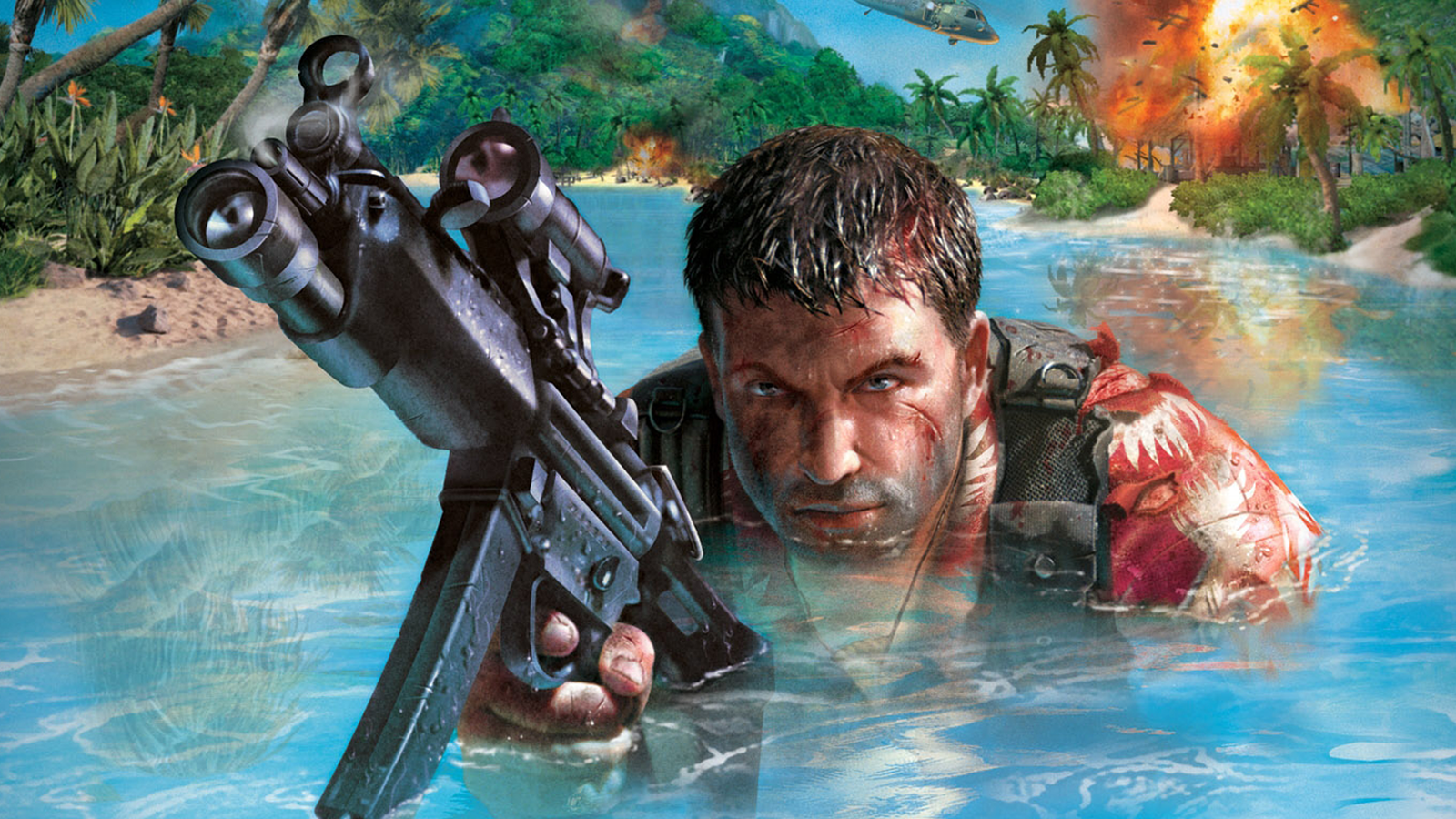
Released in 2004, the original *Far Cry* was nothing short of a technical marvel. Developed by Crytek and powered by their proprietary CryEngine, the game pushed the boundaries of what was graphically achievable at the time. Players were immersed in a lush, expansive tropical archipelago, boasting unprecedented draw distances, realistic foliage, and dynamic water effects that were revolutionary for the era. Beyond its visual prowess, *Far Cry* offered a liberating open-ended approach to its first-person shooter mechanics, allowing players to tackle objectives with stealth, brute force, or inventive tactics. This emphasis on player agency, combined with sophisticated AI that reacted intelligently to player actions, distinguished it from the more linear, corridor-shooter experiences prevalent in the market. It was a bold statement that heralded a new era for environmental design and emergent gameplay within the genre.
The Evolution of a Franchise: From Instincts to Insanity
Following its impressive debut, the *Far Cry* franchise embarked on an evolutionary journey, each installment building upon its predecessor while often injecting new themes and gameplay mechanics. *Far Cry 2* introduced a more gritty, realistic approach to its African setting, focusing on emergent narratives and the harsh realities of mercenary life. However, it was *Far Cry 3*, launched in 2012, that truly solidified the series' modern identity. With its vibrant yet dangerous Rook Islands, a compelling story centered on protagonist Jason Brody's transformation, and the iconic, psychologically unhinged villain Vaas Montenegro, *Far Cry 3* captivated audiences and critics alike. Its refined open-world formula, engaging character progression, and memorable moments cemented its status as a high point in the series, often cited as the definitive entry for many fans and a popular starting point for those new to the franchise due to its polished experience and enduring narrative impact.
The Perennial Debate: Where to Begin?
The diverse nature of the *Far Cry* series has inevitably sparked a perennial debate among its fanbase: what is the ideal entry point for a new player? Some advocate for the more accessible, modern titles like *Far Cry 3* or *Far Cry 5*, which boast refined controls, contemporary graphics, and streamlined user interfaces. Others argue for starting with the original, appreciating its foundational role despite its aged mechanics. This debate underscores a significant challenge for older games: while their historical importance is undeniable, their technical limitations – from outdated graphics and clunky user interfaces to compatibility issues with modern operating systems – can present a significant hurdle for contemporary players unaccustomed to such constraints. This gap often leads to classic titles being overlooked, their pioneering contributions confined to the annals of gaming history rather than being actively experienced.
Breathing New Life: The Impact of Fan-Made Remasters
It is precisely this challenge that dedicated fan communities often rise to meet. The recent fan-made remaster for the original *Far Cry* serves as a powerful testament to the passion and technical prowess of these communities. This ambitious project goes far beyond simple bug fixes, integrating a host of significant enhancements designed to modernize the game without altering its core identity. Key improvements include support for ultra-high resolutions and widescreen displays, enhancing visual fidelity for modern monitors. The remaster often introduces improved textures, refined lighting, and updated environmental details, making the game's iconic tropical setting even more vibrant and immersive. Furthermore, it addresses critical compatibility issues with contemporary operating systems, ensuring smooth performance and stability, effectively removing the technical roadblocks that previously deterred many potential players.
Bridging the Generational Gap
The primary benefit of this fan-driven effort is its ability to bridge the generational gap in gaming. By updating the original *Far Cry*'s technical foundation and visual presentation, the remaster makes the game significantly more palatable for players accustomed to modern gaming standards. Newcomers can now experience the foundational design principles of the *Far Cry* series, understanding where its signature open-world exploration, stealth-action mechanics, and environmental storytelling originated, without the frustrations of navigating outdated interfaces or struggling with low resolutions. For veteran players, it offers a nostalgic journey back to a beloved classic, but with a fresh coat of paint and enhanced playability that reaffirms its timeless appeal. This renewed accessibility ensures that the game's groundbreaking design, which profoundly influenced the first-person shooter genre, is not merely remembered but actively experienced by a new wave of enthusiasts.
The Broader Significance: Fan Efforts in Game Preservation
The *Far Cry* remaster highlights a broader, invaluable trend within the gaming community: the critical role of fan efforts in game preservation. While official remasters and remakes are increasingly common, they are typically limited to a select few titles deemed commercially viable. This leaves a vast library of classic games vulnerable to technological obsolescence, as they become incompatible with new hardware or operating systems. Fan groups and modders often step into this void, driven by a deep love for these titles. They dedicate countless hours to patching bugs, enhancing graphics, improving performance, and even restoring cut content, effectively safeguarding gaming history for future generations. These community-driven projects not only extend the lifespan of beloved games but also foster a vibrant ecosystem of collaboration and creativity, demonstrating that passion can often fill the gaps left by official development cycles and significantly contribute to the cultural endurance of interactive entertainment.
The return of the original *Far Cry* in such a polished and accessible form is a remarkable achievement, underscoring the enduring power of community dedication. It allows a new generation of gamers to experience the genesis of a beloved franchise, while offering veterans a fresh perspective on a cherished classic. This fan-made remaster is more than just a graphical update; it's a testament to the timeless appeal of great game design and the invaluable role players play in preserving and evolving the titles they love. Dive deeper into the world of gaming history and modern marvels; explore more comprehensive analyses, latest news, and exclusive content right here on NAME OF SITE.
Fonte: https://screenrant.com