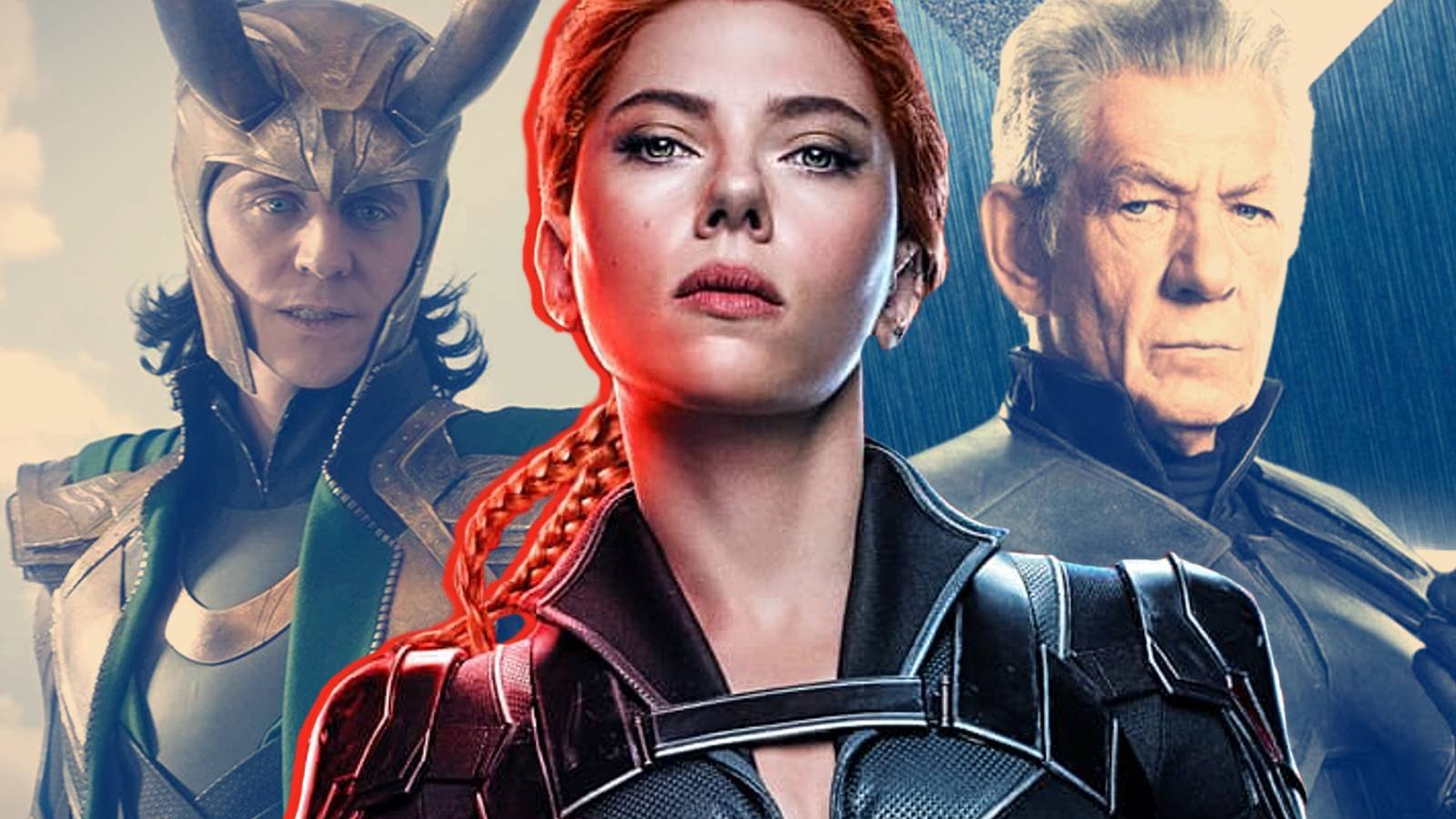
The Marvel Universe is a vibrant tapestry woven with countless heroes and villains, but perhaps the most compelling narratives belong to those who blur these rigid lines. From their initial appearances, many characters were introduced as formidable adversaries, only to embark on complex journeys of redemption, re-evaluation, and, ultimately, heroism. These profound transformations not only add remarkable depth to the characters but also challenge traditional notions of good and evil, reflecting the multifaceted nature of human (and superhuman) existence. This fascinating evolution from antagonist to beloved icon resonates deeply with readers, showcasing the potential for change and the enduring power of choice. It is a testament to Marvel's storytelling prowess that these former villains have cemented their places among the greatest heroes, proving that even the darkest past can lead to a brighter future.
The Allure of Redemption: Villains Who Became Heroes
The concept of a character evolving from a position of antagonism to one of heroism is a powerful narrative tool. It allows for exploration of moral ambiguity, the impact of circumstance, and the profound capacity for individuals to change their motivations and allegiances. These stories often provide a more nuanced understanding of their initial villainy, revealing underlying pain, manipulation, or a misguided sense of justice. Witnessing a character overcome their past mistakes and dedicate themselves to the greater good creates a relatable and inspiring arc, demonstrating that even those who have committed wrongs can find a path to atonement and make significant contributions to the world.
Iconic Figures: From Foe to Friend
Black Widow (Natasha Romanoff)
Initially introduced in <i>Tales of Suspense #52</i> (1964) as a seductive Soviet spy and adversary to Iron Man, Natasha Romanoff utilized her formidable espionage skills, martial arts prowess, and advanced technology to undermine American interests. Her early appearances were marked by cunning and manipulation, often working alongside Hawkeye. However, over time, she defected to the United States, seeking redemption for her past actions. Under the guidance of S.H.I.E.L.D., she dedicated her abilities to fighting for justice, eventually becoming a stalwart member of the Avengers and one of Marvel's most iconic and morally complex heroes.
Hawkeye (Clint Barton)
Clint Barton made his debut in <i>Tales of Suspense #57</i> (1964) as a master archer who, due to a misunderstanding and the manipulation of Black Widow, found himself on the wrong side of the law, clashing with Iron Man. Initially a criminal driven by circumstance and a desire for recognition, his extraordinary skill with a bow and arrow was used for illicit activities. Recognizing his inherent moral compass and longing for a better path, he was eventually recruited by Captain America to join the Avengers. Hawkeye's journey highlights the idea that even those who start on the fringes of society can rise to become pivotal figures in protecting humanity.
Scarlet Witch (Wanda Maximoff)
The powerful mutant Wanda Maximoff first appeared in <i>The X-Men #4</i> (1964) as a reluctant member of the Brotherhood of Evil Mutants, led by her father, Magneto. Her hex powers, initially ill-defined but formidable, were used to further the Brotherhood's agenda against humanity. Despite her villainous associations, her actions were often influenced by her brother Quicksilver and a desire for acceptance. Wanda's inherent goodness eventually shone through, leading her to defect alongside her brother and join the Avengers, where she transformed into one of the most significant and powerful heroes in the Marvel pantheon, grappling with her immense abilities and emotional turmoil.
Quicksilver (Pietro Maximoff)
Pietro Maximoff, the super-speedy twin brother of Scarlet Witch, also debuted in <i>The X-Men #4</i> (1964) as part of Magneto's Brotherhood of Evil Mutants. Like Wanda, his early appearances depicted him as antagonistic towards humans, driven by his father's extremist ideology and a deep-seated fear of persecution. His super speed made him a challenging foe for the X-Men. However, his loyalty to his sister and a burgeoning sense of morality led him to abandon the Brotherhood. He subsequently joined the Avengers, where his incredible velocity became a vital asset in numerous battles, solidifying his status as a complex hero who learned to use his powers for good.
Vision
The synthezoid known as Vision was created by the villainous Ultron in <i>Avengers #57</i> (1968) with the singular purpose of destroying the Avengers. Designed as the ultimate weapon, he possessed incredible strength, density manipulation, and advanced processing power. However, imbued with the brain patterns of the deceased Wonder Man and a nascent sense of consciousness, Vision rebelled against his creator. He chose to align with humanity and the Avengers, quickly becoming one of their most logical, ethical, and compassionate members. His origin as a weapon of destruction makes his transformation into a compassionate hero particularly poignant.
Rogue (Anna Marie)
Rogue made her first full appearance in <i>Avengers Annual #10</i> (1981) as a powerful and dangerous member of Mystique's Brotherhood of Evil Mutants. Possessing the mutant ability to absorb powers, memories, and personality through touch, she infamously absorbed the powers and psyche of Ms. Marvel (Carol Danvers) in a devastating encounter. Haunted by the conflicting personalities and overwhelmed by her uncontrolled abilities, Rogue sought help from Professor Xavier. Her journey within the X-Men was one of self-acceptance, learning to control her powers, and ultimately becoming a fierce protector of both mutants and humans, despite her troubled past.
Magneto (Max Eisenhardt)
Often regarded as the X-Men's greatest foe, Magneto first appeared in <i>The X-Men #1</i> (1963) as a militant mutant supremacist, believing mutants should dominate humanity. A Holocaust survivor, his extremist ideology stemmed from deep-seated trauma and a desire to prevent similar persecution against mutants. While consistently an antagonist, Magneto's motivations were always rooted in a twisted form of protection for his people. Throughout his history, he has had numerous periods of uneasy alliance or outright heroism, even leading the X-Men and striving for mutant-human coexistence, demonstrating a complex evolution beyond pure villainy.
Namor the Sub-Mariner
One of Marvel's earliest characters, Namor debuted in <i>Marvel Comics #1</i> (1939), often portrayed as an arrogant and volatile ruler of Atlantis. His early appearances frequently depicted him as an antagonist to humanity, driven by the belief that surface dwellers posed a threat to his underwater kingdom. While his tempestuous nature often led him into conflict, Namor has historically oscillated between villain, anti-hero, and reluctant ally. His fierce loyalty to Atlantis, combined with a begrudging respect for certain surface heroes, often places him in a position where his self-interest aligns with the greater good, making him a complicated hero whose methods are often extreme.
Sandman (Flint Marko)
William Baker, better known as Sandman, debuted in <i>The Amazing Spider-Man #4</i> (1963) as a formidable and recurring foe for Spider-Man. His ability to transform his body into sand made him a versatile and challenging criminal. For years, he was a dedicated villain, often associating with other rogues like the Sinister Six. However, his character gradually evolved beyond simple villainy. Seeking redemption, Sandman made efforts to turn his life around, eventually receiving a presidential pardon and even briefly serving as a reserve member of the Avengers. His journey from petty criminal to aspiring hero underscores the possibility of true change.
Deadpool (Wade Wilson)
Wade Wilson, the Merc with a Mouth, first appeared in <i>The New Mutants #98</i> (1991) as a wise-cracking mercenary hired to assassinate Cable. Initially a clear antagonist, Deadpool's bizarre sense of humor, meta-awareness, and unconventional methods quickly made him a fan favorite. While he still operates outside traditional heroic norms, often motivated by money or chimichangas, he has frequently found himself inadvertently saving the day or fighting alongside legitimate heroes. His evolution from a simple villain to a chaotic, morally ambiguous anti-hero showcases that even characters with questionable ethics can possess a unique, albeit twisted, heroic streak.
The Enduring Legacy of Evolved Heroes
These ten characters represent a compelling fraction of Marvel's rich history of moral complexity and growth. Their journeys from villainy to heroism, or at least to a more nuanced anti-heroic stance, demonstrate Marvel's willingness to explore the depths of character motivation and the transformative power of choice. They remind us that redemption is always possible, and that true heroism can emerge from unexpected places. These arcs are not merely plot devices; they are profound explorations of identity, purpose, and the constant struggle between darkness and light within us all, resonating with readers who appreciate stories that challenge conventional narratives.
To delve deeper into the intricate narratives of these and countless other Marvel characters, and to explore the sprawling history of comics that shaped them, we invite you to continue browsing NAME OF SITE. Discover more exclusive content, in-depth analyses, and the latest news from the Marvel Universe and beyond, only on our platform.
Fonte: https://screenrant.com