For many, the world of The Witcher is synonymous with the critically acclaimed video game series developed by CD Projekt RED, a sprawling saga that has captivated millions with its rich lore, complex characters, and morally ambiguous quests. However, beneath the surface of the games' widespread popularity lies the literary bedrock crafted by Polish author Andrzej Sapkowski. It is a fundamental truth that the beloved interactive experience would not exist without Sapkowski’s visionary storytelling, which first introduced Geralt of Rivia and the fantastical Continent in a short story competition back in 1986. While the games brought the franchise to global prominence, the foundational narratives, particularly those found in the collection titled <b>'The Last Wish'</b>, are indispensable for a complete understanding of this beloved universe.
Often overlooked by those introduced solely through the digital realm, 'The Last Wish' serves as the perfect entry point, detailing the origins of many key relationships, introducing crucial magical and political dynamics, and shaping the very ethos of the witcher profession. Far from a mere appendix, this collection of interconnected short stories is the initial spark that ignited a global phenomenon, providing depth and context that enhances every subsequent encounter with Geralt, whether through a gamepad, a novel, or a streaming screen.
The Genesis of a Legend: Andrzej Sapkowski's Visionary Beginning
Andrzej Sapkowski's journey into the world of fantasy began with an unassuming submission to the Polish science fiction and fantasy magazine 'Fantastyka' in 1986. His entry, a short story titled 'Wiedźmin' (The Witcher), captured the imagination of readers and judges alike, securing third place in the competition. This initial success was not just a literary triumph; it marked the birth of a unique dark fantasy universe steeped in Slavic folklore, brimming with intricate political intrigue, and profoundly grappling with moral ambiguity. Sapkowski eschewed conventional fantasy tropes, crafting a protagonist, Geralt of Rivia, who was neither a pure hero nor a villain, but a mutant monster-slayer existing in a world that often feared and despised him as much as the beasts he hunted.
The demand for more stories about Geralt and his adventures quickly grew, leading Sapkowski to pen additional short stories. These early tales, characterized by their sharp wit, philosophical undertones, and gritty realism, would later be compiled into collections, with 'The Last Wish' being the inaugural volume. This initial period of short story writing laid the groundwork for the expansive world-building, character development, and thematic depth that would define the entire Witcher saga, distinguishing it as a significant contribution to the fantasy genre long before its digital adaptation.
Beyond the Game: The Narrative Depth of 'The Last Wish'
'The Last Wish' is not a single, continuous narrative but a masterfully woven collection of short stories, framed by Geralt’s recovery at the Temple of Melitele after a particularly nasty encounter. During his recuperation, he reflects on past events, each recollection forming a standalone story that collectively introduces fundamental aspects of the Witcher universe. These stories are crucial for understanding the origins of key characters and the complex sociopolitical landscape of the Continent.
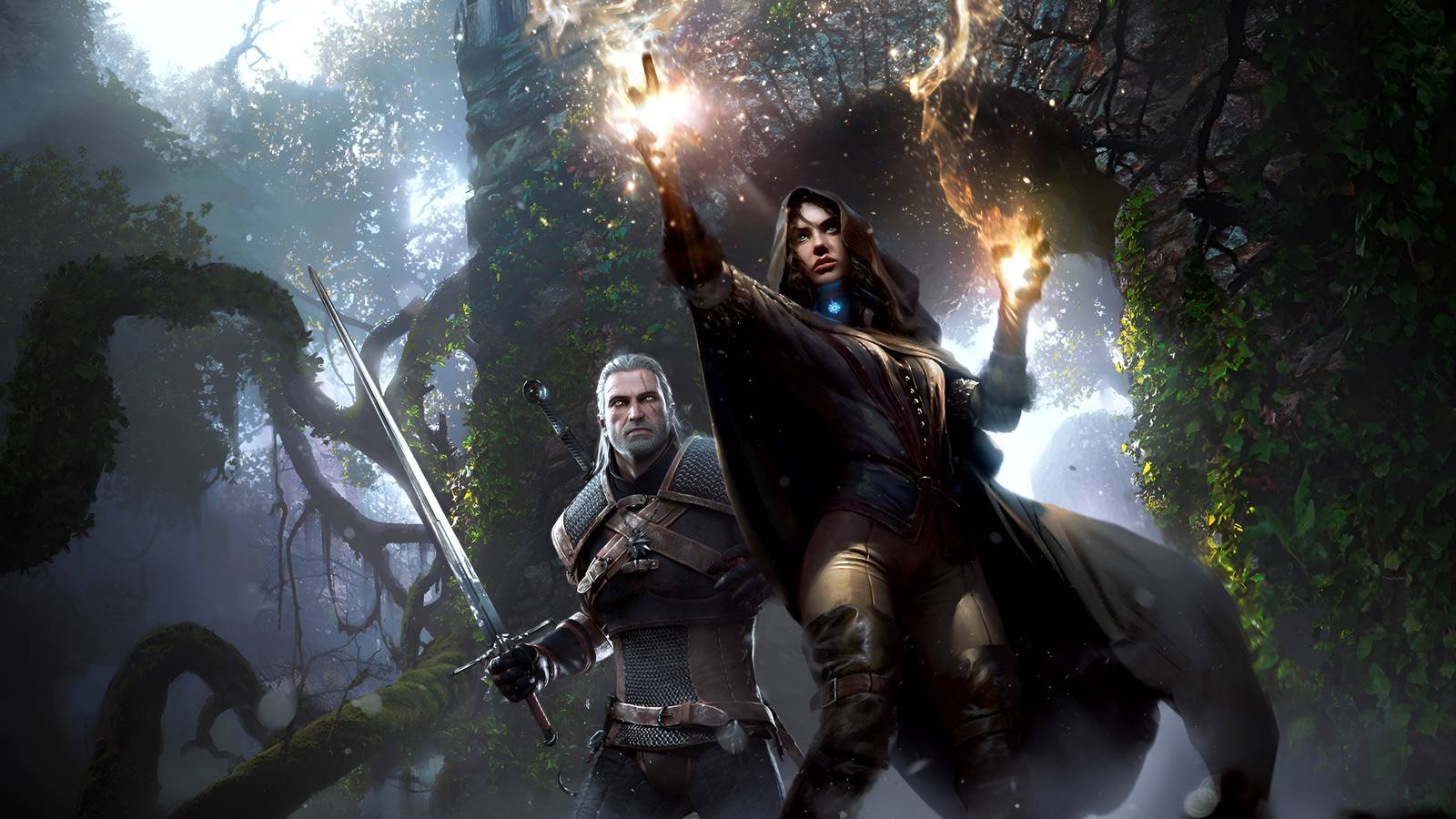
Within its pages, readers encounter tales like 'A Grain of Truth,' which offers a dark fairy tale retelling with profound reflections on monstrosity and humanity, mirroring classic narratives with a unique twist. 'The Edge of the World' introduces the beloved bard Dandelion (Jaskier in Polish), whose boisterous personality and poetic inclinations provide a vital counterpoint to Geralt's stoicism. Most significantly, the titular story, 'The Last Wish,' details Geralt's fateful first encounter with the powerful sorceress Yennefer of Vengerberg, an event that inextricably links their destinies and forms the emotional core of much of the subsequent saga. These narratives establish not just individual characters but also the moral dilemmas, the prevalence of magic, the racial tensions, and the political machinations that define the Continent, providing a rich tapestry against which all future events unfold.
Geralt of Rivia: A Deeper Dive into the White Wolf's Character
For those whose first introduction to Geralt was through the video games, 'The Last Wish' offers an invaluable opportunity to understand the character in his purest form, as originally conceived by Sapkowski. The book presents a Geralt grappling more explicitly with his Witcher's code, his forced neutrality in a world that rarely allows it, and the internal conflict between his monstrous nature and his surprisingly profound sense of justice and empathy. His dry wit, often expressed through laconic observations, and his deep-seated weariness are more palpable in these foundational stories, showcasing a character burdened by the weight of his profession and the prejudices of society.
The narrative structure of 'The Last Wish' allows readers to witness Geralt's character development through various encounters, demonstrating how his experiences shape his moral compass and influence his decisions. His relationships with other characters, particularly with Dandelion and Yennefer, are presented with a raw intimacy that highlights the complexities of his emotional landscape, revealing the humanity beneath the hardened exterior of the White Wolf.
From Page to Pixels: CD Projekt RED's Adaptation Journey
The transformation of Sapkowski's literary world into a globally renowned video game franchise is a testament to the enduring appeal and depth of the original material. CD Projekt RED, a then-relatively unknown Polish studio, undertook the ambitious task of adapting the beloved book series into a video game in 2007. Their commitment to honoring Sapkowski's lore, characters, and thematic complexities was evident from the outset, propelling the franchise into a new era of popularity.
The success of 'The Witcher' game in 2007, followed by 'The Witcher 2: Assassins of Kings' and the monumental 'The Witcher 3: Wild Hunt,' proved that a faithful, yet expanded, adaptation could thrive. While the games continued Geralt’s story beyond the books, they consistently drew upon the rich foundation established in collections like 'The Last Wish.' The games’ nuanced narrative choices, morally ambiguous quests, and compelling character portrayals would not have resonated so deeply without the strong thematic and contextual roots provided by Sapkowski’s original writings. CD Projekt RED effectively leveraged the established world, expanding upon its intricacies while remaining true to the spirit of the source material.
The Synergy of Media: Books, Games, and Beyond
The Witcher franchise now exists as a thriving multimedia phenomenon, encompassing books, video games, and a popular Netflix series. Each iteration offers a unique perspective and entry point into the universe, yet they are all intrinsically linked by Sapkowski's foundational work. 'The Last Wish' holds a particularly special place as the common progenitor, providing the essential backstory and character introductions that inform all subsequent adaptations. The games skillfully refer back to events and characters established in this collection, enriching the experience for those familiar with the books and encouraging new fans to delve into the literary origins.
This synergy between different media forms has created a virtuous cycle: the games bring new readers to the books, the books provide deeper context for game players, and the television series introduces the saga to an even wider audience, often prompting exploration of both the literary and interactive adaptations. 'The Last Wish,' through its accessible short story format, acts as the perfect gateway, offering a comprehensive yet digestible introduction to the core tenets and beloved figures of the Witcher world.
Why 'The Last Wish' Remains Indispensable
For any fan of The Witcher, regardless of how they discovered the franchise, 'The Last Wish' is not merely an optional read; it is an indispensable guide to understanding the very fabric of the Continent. It lays out the intricate rules of magic, the political landscape dominated by warring kingdoms and non-human prejudice, and the deeply personal motivations of characters who would become iconic figures. Reading it provides invaluable context for Geralt’s choices, Yennefer’s power, Ciri’s destiny, and the myriad of secondary characters who populate their world.
Beyond context, the book itself is a masterpiece of dark fantasy literature, offering sharp social commentary, compelling moral quandaries, and exquisitely crafted prose. It enhances the enjoyment of the games by revealing the layers of meaning behind references and relationships, and it enriches the viewing experience of the television series by providing the original source material. 'The Last Wish' is more than a prequel; it is the fundamental cornerstone upon which the entire Witcher legacy is built, offering a richer, more profound appreciation for every aspect of this captivating saga.
Dive into the origins of Geralt's journey and discover the rich lore that captivated millions. 'The Last Wish' is not just a book; it's an essential journey for every Witcher fan. For more in-depth analyses, character profiles, and the latest news on all things Witcher, continue exploring the comprehensive articles and guides available right here at NAME OF SITE.
Fonte: https://screenrant.com