
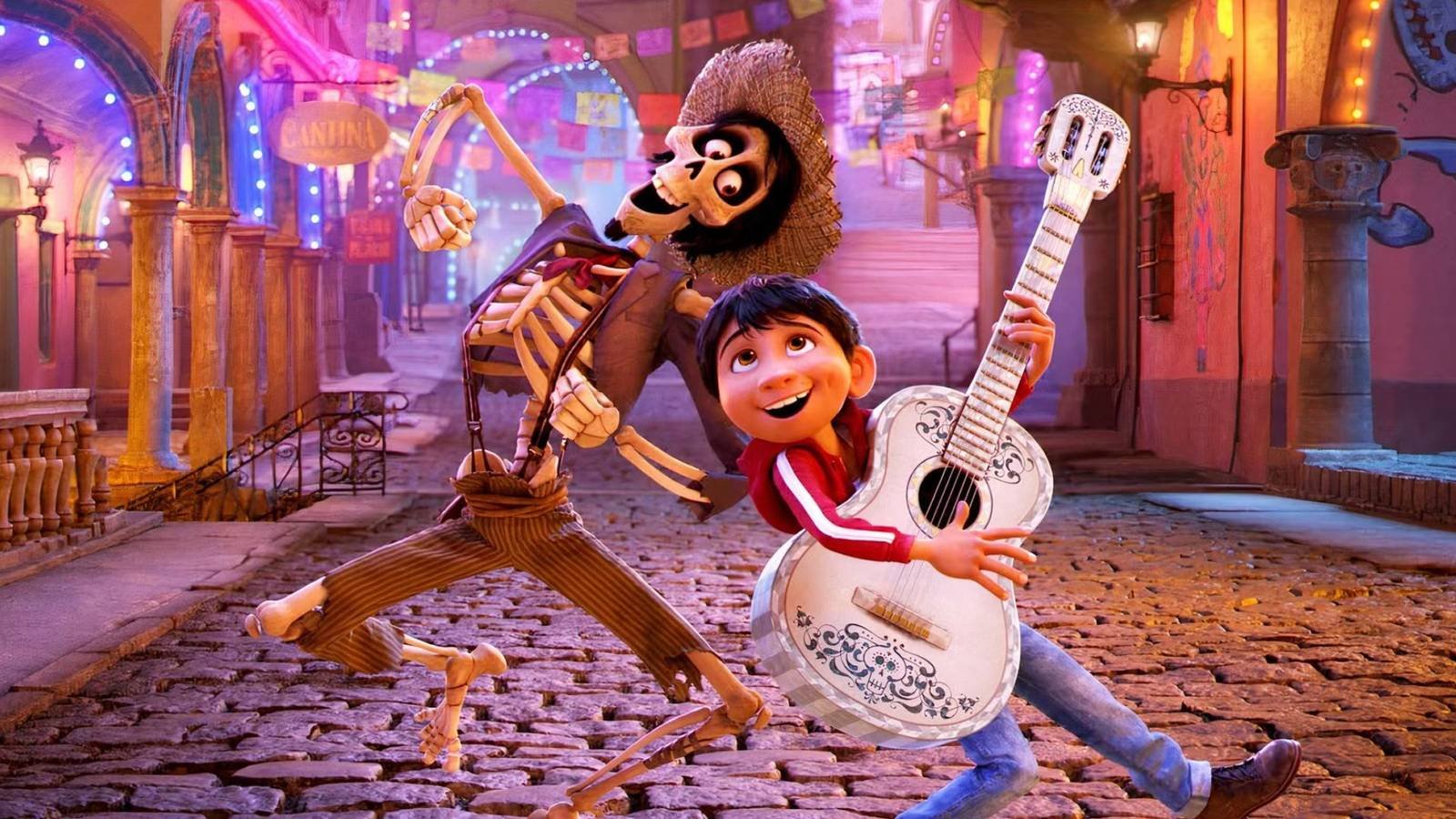
The captivating fusion of animation and music has been a cornerstone of Walt Disney Studios since its inception, not merely launching the studio into cinematic prominence but also serving as a critical lifeline during challenging periods. A mere decade after the advent of talking motion pictures, Disney embarked on an ambitious venture: its inaugural feature film. In 1937, the world was introduced to <b>Snow White and the Seven Dwarfs</b>, a groundbreaking animated musical that not only captivated audiences globally but also ignited an insatiable demand for animated musical features, a hunger the studio would more than satisfy through decades of unparalleled creativity and commercial success. This initial triumph laid the foundational blueprint for an entertainment empire, demonstrating the profound power of animated storytelling harmonized with unforgettable melodies.
The Enduring Legacy: How Musicals Defined Disney
From its earliest days, Walt Disney understood the intrinsic power of music to elevate animation, transforming simple drawings into emotionally resonant narratives. The very concept of an animated feature film was revolutionary in the 1930s, fraught with financial risks and technical hurdles. Prior to Snow White, animated shorts were typically supporting acts in cinemas. Disney's decision to invest heavily in a full-length animated musical was a monumental gamble, but one that paid off spectacularly. Snow White demonstrated that animation could tell complex stories, evoke deep emotions, and, critically, command a significant box office return. Its success wasn't just a financial windfall; it established the animated musical as a legitimate, powerful, and beloved genre, paving the way for countless future classics and solidifying Disney's identity as a pioneer in family entertainment.
This groundbreaking film introduced audiences to a new standard of animation quality, characterized by fluid movement, expressive characters, and intricate backgrounds. The integration of songs, which advanced the plot and revealed character emotions, became a defining characteristic of the Disney style. These musical numbers were not mere embellishments; they were integral to the storytelling, making the narratives more engaging and memorable. This innovative approach to filmmaking transcended cultural barriers, allowing stories to resonate with audiences across the globe, a factor crucial to the worldwide box office success that many Disney musicals would later achieve.
The Golden Age and Beyond: Pioneering Animated Storytelling
Following the monumental success of Snow White, Disney continued to innovate throughout what is now known as its 'Golden Age.' Films like *Pinocchio* (1940), *Fantasia* (1940), and *Dumbo* (1941) further explored the potential of animation and music. *Fantasia*, in particular, was an audacious experiment, pairing classical music with abstract and narrative animation, pushing artistic boundaries even if its initial box office performance was modest for its time. These early films, despite varying financial outcomes due to the advent of World War II, solidified the studio's reputation for artistic excellence and complex storytelling, often featuring moral lessons and timeless themes that resonated deeply with viewers. The commitment to high-quality animation and memorable musical scores became synonymous with the Disney brand.
The post-war era saw Disney diversify, but animated musicals remained a core output, evolving with changing times. Titles such as *Cinderella* (1950), *Peter Pan* (1953), and *Sleeping Beauty* (1959) continued to charm audiences with their blend of enchanting visuals and catchy tunes, further embedding the musical narrative structure into the public consciousness. While the production landscape shifted, sometimes towards live-action films or more experimental animation techniques, the foundational success of the animated musical ensured its consistent presence in Disney's portfolio, proving its enduring appeal and economic viability across different generations and technological advancements.
The Renaissance Resurgence: A Symphony of Success
After a period often referred to as a 'dark age' for Disney Animation in the 1970s and early 1980s, the studio experienced a spectacular resurgence, known as the 'Disney Renaissance,' largely spearheaded by a renewed focus on animated musicals. This era, beginning with *The Little Mermaid* (1989), *Beauty and the Beast* (1991), *Aladdin* (1992), and culminating with *The Lion King* (1994), redefined the genre. These films combined intricate plots, compelling characters, and show-stopping musical numbers crafted by talents like Alan Menken, Howard Ashman, and Tim Rice. Their narratives often featured strong protagonists, empowering messages, and universal themes of love, courage, and self-discovery, resonating with a broader, more mature audience while retaining their appeal to children.
The films of the Renaissance era were not just critical darlings; they were massive commercial successes, breaking box office records and generating unprecedented revenue. *The Lion King*, in particular, became the highest-grossing animated film of its time, demonstrating the immense global appeal and earning potential of well-executed animated musicals. These films didn't just entertain; they became cultural phenomena, influencing fashion, pop culture, and even Broadway, with many being adapted into hugely successful stage productions. This period reaffirmed the animated musical as a powerful economic engine for Disney, proving its capacity to continually reinvent itself and capture the hearts and wallets of audiences worldwide.
The Digital Evolution: New Eras, Unprecedented Grosses
As the 21st century dawned, Disney animation embraced digital technology, leading to another transformative period. While the animation style evolved from traditional hand-drawn to sophisticated computer-generated imagery (CGI), the essence of the musical remained firmly at its core. Films like *Tangled* (2010), *Frozen* (2013), *Moana* (2016), and *Encanto* (2021) continued the tradition of marrying compelling narratives with unforgettable soundtracks, pushing creative and technical boundaries. *Frozen*, especially, became a global phenomenon, shattering box office records and demonstrating the enduring power of a catchy soundtrack and a compelling sisterly bond. Its sequel, *Frozen II* (2019), further solidified this success, becoming the highest-grossing animated film of all time.
These modern musicals showcase a continued evolution in storytelling, featuring more diverse characters, complex themes, and innovative visual styles. They often explore themes of identity, family, and environmentalism, reflecting contemporary societal values while maintaining universal appeal. The integration of cutting-edge animation technology with powerful musical compositions creates immersive cinematic experiences that appeal to a multi-generational global audience. The sustained high box office performance of these films underscores that while animation techniques may change, the fundamental magic of a well-told story amplified by song remains an unparalleled formula for success and a key driver of Disney's commercial achievements.
Beyond the Box Office: The Enduring Cultural Impact of Disney Musicals
The astronomical box office figures achieved by Disney's animated musicals are a testament not only to their entertainment value but also to their profound cultural and economic impact. These films transcend mere entertainment, becoming integral parts of global childhoods, influencing generations, and fostering a shared cultural lexicon. The universal themes of heroism, love, resilience, and the pursuit of dreams, often underscored by powerful musical numbers, resonate deeply across diverse cultures and demographics. This broad appeal ensures repeated viewership, robust merchandise sales, and significant revenue streams from theme park attractions and live adaptations, all contributing to their extraordinary financial success.
The longevity of Disney musicals lies in their ability to continually reinvent themselves while staying true to their core values of imaginative storytelling and musical excellence. They create emotional connections that endure for decades, making them timeless classics that families return to repeatedly. This sustained relevance, combined with a meticulous approach to global marketing and distribution, transforms each major release into a worldwide event. The result is a consistent stream of animated musicals that not only top box office charts but also leave an indelible mark on cinematic history and the hearts of millions, solidifying Disney's unique position in the entertainment landscape.
The journey of Disney's animated musicals, from the ambitious gamble of Snow White to the global phenomena of today's CGI masterpieces, is a testament to the enduring power of combining innovative animation with the universal language of music. These films have not just entertained; they have shaped cultural narratives, inspired countless artists, and consistently broken commercial records, reaffirming their status as unparalleled cinematic achievements. To delve deeper into the fascinating world of animation history, critical analyses, and the latest industry news, we invite you to explore more insightful articles and exclusive content right here on NAME OF SITE.
Fonte: https://screenrant.com