The world of video games is frequently abuzz with fan creations, but rarely does one capture the collective imagination and spark as much discussion as the recent browser-based recreation of Nintendo’s beloved classic, <i>The Legend of Zelda: The Wind Waker</i>. This ambitious fan project, making waves across the internet, has ignited a complex mix of nostalgia, excitement, and a touch of melancholy among long-time fans of the series. While many celebrate the ingenuity and dedication behind bringing a piece of Hyrule to their web browsers, others lament that such a project might be the closest they get to a modern, official revival of the cel-shaded masterpiece featuring the iconic Toon Link for the foreseeable future. This development underscores the enduring appeal of the game, the fervent desires of its community, and the unique position of fan-made content in the modern gaming landscape.
The Enduring Legacy of <i>The Legend of Zelda: The Wind Waker</i>
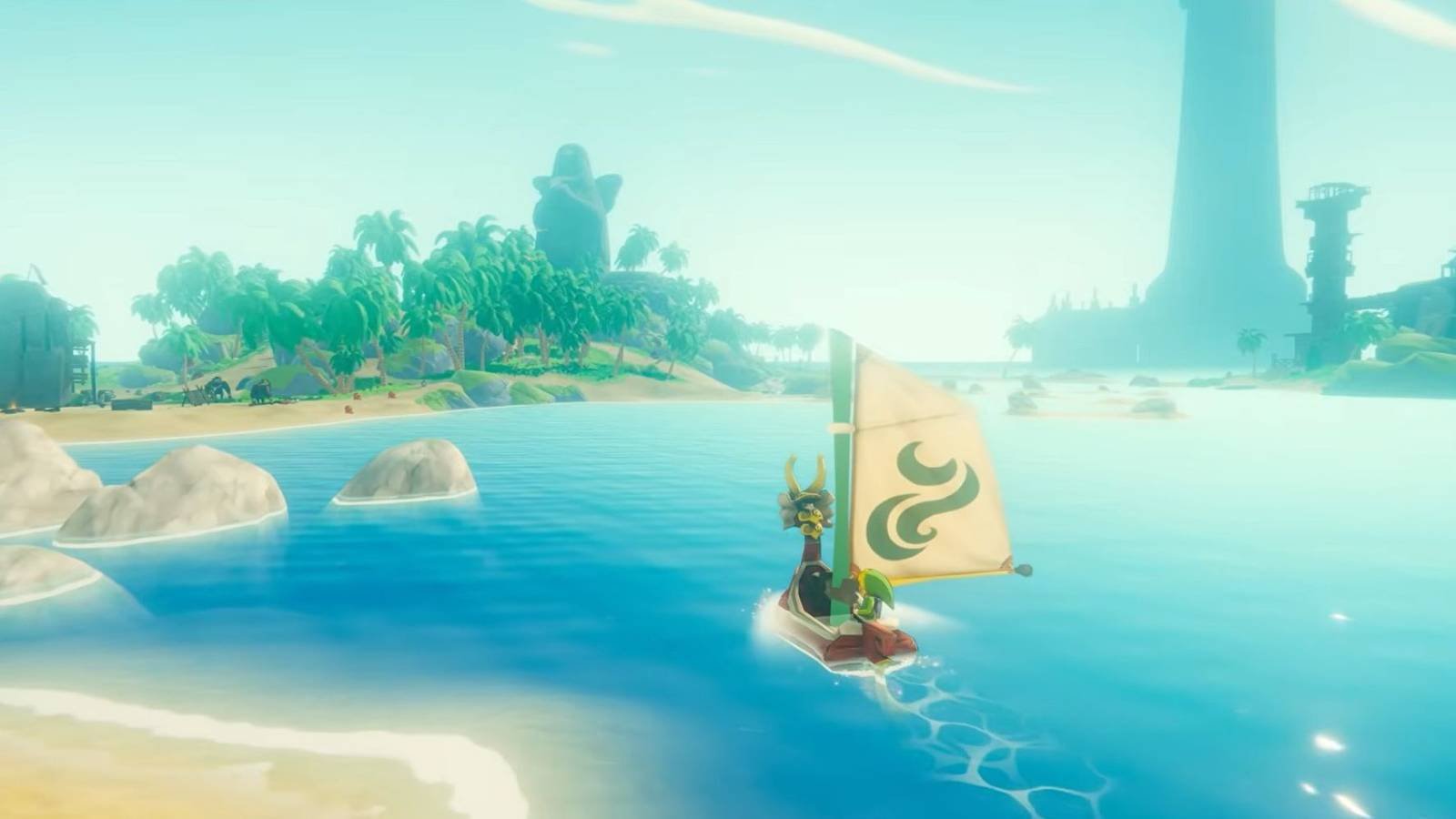
Released globally in 2003 for the Nintendo GameCube, <i>The Legend of Zelda: The Wind Waker</i> initially faced a divided reception. The most prominent point of contention was its radical cel-shaded art style, a stark departure from the more realistic aesthetics of its predecessor, <i>Ocarina of Time</i>, and the darker tone many expected after its teaser trailer. Dubbed 'Toon Link,' the game's protagonist, with his large eyes and exaggerated expressions, sparked debates about the franchise's direction. However, as players delved into the vast Great Sea, piloted their boat King of Red Lions, and explored vibrant islands, the game's undeniable charm, innovative gameplay mechanics, and emotionally rich story began to win over skeptics.
Over time, <i>The Wind Waker</i> transcended its initial controversies to be recognized as one of the most beloved entries in the critically acclaimed <i>Zelda</i> series. Its unique visual style has aged remarkably well, contributing to its timeless appeal, while its emphasis on exploration, puzzle-solving, and a memorable cast of characters cemented its place in gaming history. The game received a high-definition remaster on the Wii U in 2013, which further highlighted its artistic merits and introduced quality-of-life improvements, reminding a new generation of players why its original release had garnered such eventual widespread adoration.
A Fan-Made Marvel Takes the Internet by Storm
The recently unveiled fan project, developed by a dedicated individual known online as 'CryZENx,' is an impressive feat of reverse engineering and passionate dedication. Leveraging modern web technologies, this browser-based experience allows users to explore a rendered environment reminiscent of <i>The Wind Waker</i> without needing to download any software or own the original console. While not a fully playable game with quests and combat, it showcases the game's iconic visual fidelity and allows players to move through familiar spaces, instantly transporting them back to the Great Sea. The project's accessibility and visual accuracy are key reasons for its viral spread, serving as a powerful demonstration of what a modern, official port could look like on current hardware.
The technical accomplishment behind rendering a complex 3D environment within a web browser is not trivial. It speaks to the evolving capabilities of web platforms and the growing skill sets of community developers. This project doesn't just offer a fleeting moment of nostalgia; it serves as a proof of concept, illustrating the robust demand and technical feasibility for a contemporary re-release. For many, it's a tangible glimpse of a cherished dream: experiencing Toon Link's original adventure on the Nintendo Switch, a console that has proven to be a fertile ground for remastered classics.
The Double-Edged Sword of Fan Creativity
The immense popularity of this fan recreation has illuminated a fascinating dichotomy within the gaming community. On one hand, there's unbridled joy and appreciation for the talent and effort invested in such a project. It's a testament to the enduring love fans have for <i>The Wind Waker</i> and their willingness to keep its spirit alive. Enthusiasts praise the creator for fulfilling a desire that Nintendo has, arguably, left unaddressed for too long on its most current console, the Switch.
Conversely, the project has inadvertently highlighted a growing frustration among fans regarding Nintendo's perceived reluctance to release official Switch ports of GameCube and Wii U <i>Zelda</i> titles, specifically <i>The Wind Waker HD</i> and <i>Twilight Princess HD</i>. Many view the fan-made browser game not just as a cool tribute but as a stark reminder of what they are missing. This sentiment fuels speculation and yearning for a proper official announcement, with some feeling that the fan project is both a blessing and a curse – a wonderful creation, yet one that underscores the absence of an anticipated official release.
The Beloved Persona of Toon Link
The character of Toon Link, initially a source of controversy due to his departure from the series' established aesthetic, has since become a beloved and iconic iteration of the hero. His expressive face and fluid animations in <i>The Wind Waker</i> allowed for a broader range of emotional depth and comedic timing than previous versions of Link. Beyond his starring role in <i>The Wind Waker</i>, Toon Link has appeared in subsequent handheld titles like <i>Phantom Hourglass</i> and <i>Spirit Tracks</i>, solidifying his place in the franchise's diverse pantheon of heroes. His inclusion in multiple <i>Super Smash Bros.</i> iterations further cemented his popularity, proving that his distinct style resonated deeply with players over time. The fan project's focus on Toon Link's world serves as a powerful reminder of how this initially divisive design evolved into a cherished part of <i>The Legend of Zelda</i> lore.
Navigating the Waters: Nintendo's Approach to Fan Projects
The existence of fan-made projects like this browser recreation inevitably raises questions about intellectual property rights and developer responses. Nintendo is notoriously protective of its IPs, often issuing cease and desist orders for fan games, ROM hacks, and other unauthorized uses of its characters and worlds. However, there's a nuanced line between outright clones that compete with official releases and tributes that celebrate the source material without directly infringing on sales. This particular browser experience, being a non-profit, technically demanding showcase rather than a full, downloadable game, might exist in a more ambiguous legal space. Its primary function seems to be an artistic demonstration and an homage, rather than a direct replacement for an official product.
The gaming industry often grapples with this delicate balance: how to protect valuable intellectual property while also fostering the vibrant, creative communities that often act as the lifeblood of a franchise. Fan projects can serve as powerful indicators of consumer demand and provide free marketing, but they also carry the risk of dilution or misrepresentation of the original brand. The fate of this <i>Wind Waker</i> recreation, therefore, remains a topic of speculation, reflecting the broader conversation about fan-made content in the digital age.
What Lies Ahead for <i>The Wind Waker</i> on Modern Consoles?
The passionate response to the browser game intensifies the ongoing plea from fans for an official port of <i>The Wind Waker HD</i> on the Nintendo Switch. Despite the console's massive success and its capacity for hosting remastered titles, Nintendo has remained tight-lipped about the possibility of bringing these specific Wii U remasters over. The company's focus has largely been on new entries like <i>Tears of the Kingdom</i> and other first-party franchises. While there's always hope, the sheer volume of fan-made content and the sustained outcry suggest that the desire for Toon Link's high-definition adventure on the Switch is not merely a fleeting trend but a deeply ingrained community longing.
Ultimately, the fan-made <i>The Wind Waker</i> browser game is more than just a nostalgic trip; it's a vibrant testament to the enduring power of community, creativity, and the unwavering love for a classic. It serves as both a heartwarming tribute and a poignant reminder of the games we long to revisit on modern platforms. Whether it eventually prompts an official announcement from Nintendo or simply remains a beautiful fan-driven endeavor, its impact on the <i>Zelda</i> community is undeniable. Dive deeper into the world of fan creations, game development, and the latest Nintendo news by exploring more articles right here on NAME OF SITE.
Fonte: https://screenrant.com