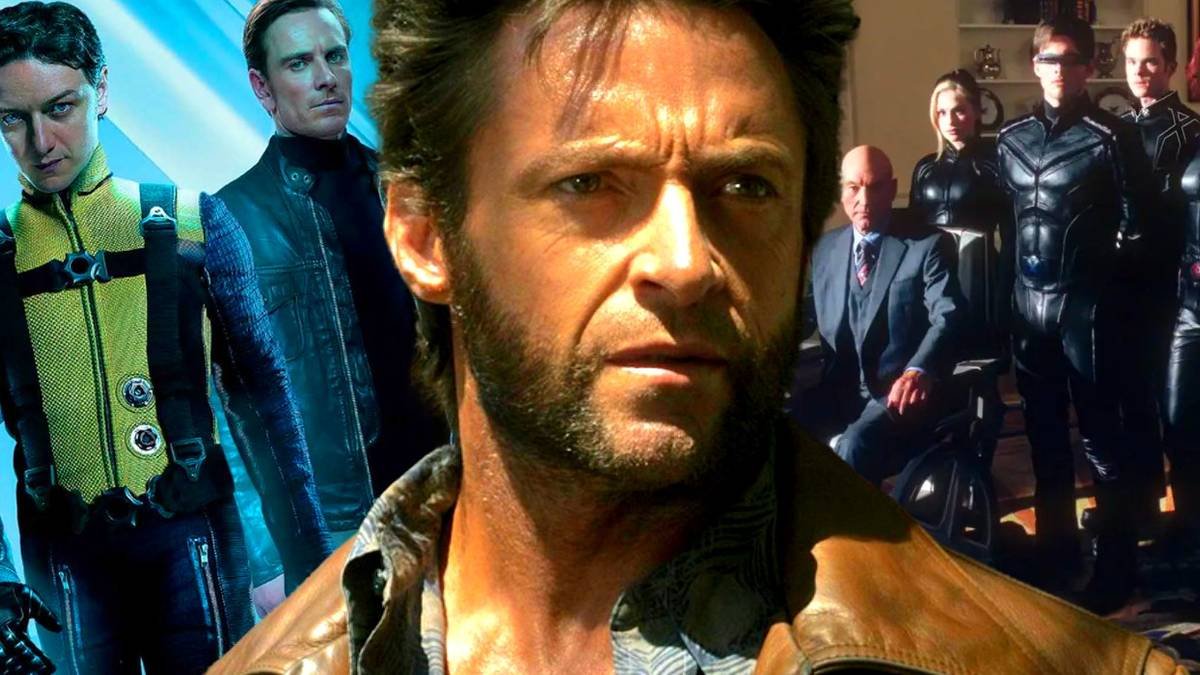
In the expansive and often complex world of superhero cinema, the delicate act of adapting beloved comic book characters to the big screen rarely goes without a hitch. Filmmakers frequently face the challenge of modifying, weakening, or even outright ignoring certain powers, weaknesses, or established lore to serve a compelling narrative or heighten dramatic conflict. Yet, for a character as iconic and resilient as Wolverine, whose very essence is defined by an unparalleled healing factor and near-immortality, a major narrative inconsistency can prove far more damaging than any on-screen antagonist. One particular cinematic entry, intended to be a foundational chapter in Hugh Jackman's celebrated portrayal of Logan, introduced a plot hole so significant that it continues to baffle audiences and critics over a decade later, casting a long shadow over the character's otherwise formidable Fox film legacy.
The Enduring Mystery of Wolverine's Healing Factor
Wolverine, or Logan, stands as one of the most popular and enduring figures in the X-Men universe, largely thanks to his ferocity, conflicted past, and most notably, his extraordinary healing factor. This remarkable ability allows him to regenerate from virtually any injury, ranging from gunshot wounds and broken bones to severe burns and organ damage, at an accelerated rate. Beyond mere physical recovery, his healing factor grants him immunity to most toxins and diseases, significantly slows his aging process, and even provides a measure of psychic resistance by rapidly repairing neural pathways. This power is not merely a plot device; it is central to his character, explaining his longevity, his ability to withstand the adamantium bonding process, and his relentless fighting spirit. It underpins almost every aspect of his existence, making him a formidable, almost unkillable force on the battlefield.
The consistency of such a fundamental power is paramount for maintaining suspension of disbelief within any shared cinematic universe. When a character's defining ability is contradicted or selectively ignored, it not only undermines the character's integrity but also diminishes the stakes for the audience. For Wolverine, whose identity is intrinsically tied to his capacity for instantaneous recovery and resilience, any deviation from this established rule creates a significant narrative tremor, leaving viewers questioning the very mechanics of his world and the reliability of future storytelling.
The Adamantium Bullet Anomaly in 'X-Men Origins: Wolverine'
The most egregious plot hole concerning Wolverine's healing factor surfaces prominently in 2009's *X-Men Origins: Wolverine*. This film, designed to explore Logan's mysterious past, culminating in his adamantium skeletal bonding, introduces a critical inconsistency during its climax. Colonel William Stryker, the orchestrator of the Weapon X program, attempts to neutralize Wolverine by shooting him in the head with adamantium bullets. The immediate consequence within the film is profound: Wolverine survives the physical trauma due to his healing factor, but he suffers total amnesia, forgetting his entire past, including his brother Victor Creed (Sabretooth) and his love, Kayla Silverfox.
This narrative choice directly contradicts the established capabilities of his healing factor. If Wolverine's healing power can regenerate tissue, bone, and organs from catastrophic damage, including extensive brain injuries, it should logically repair the damage caused by the adamantium bullets to his neural network, thereby preventing or reversing any permanent memory loss. The idea that a physical injury, even one inflicted by adamantium, could permanently erase his memories without his healing factor kicking in to restore them fundamentally undermines the very essence of his power. It suggests a selective vulnerability for plot convenience rather than a consistent application of his abilities within the defined universe, creating a significant logical gap that audiences struggled to reconcile.
Ramifications for Character Consistency and Legacy
The introduction of this amnesia plot device in *X-Men Origins: Wolverine* had far-reaching consequences for the character's consistency throughout the Fox X-Men cinematic universe. Subsequent films, such as *X-Men* (2000), *X2: X-Men United* (2003), and *The Wolverine* (2013), often relied on Logan's quest to uncover his past, a journey fueled by his fragmented memories. However, the origin story's explanation for his amnesia felt at odds with his demonstrated powers, making his search for identity less a tragic consequence of his powers and more a result of a narrative contrivance. This created a disjointed experience for viewers attempting to piece together a coherent timeline and character arc for Wolverine across multiple films.
Fans, deeply invested in the lore and rules of the X-Men universe, often expressed frustration with this particular inconsistency. It broke the immersive quality of the storytelling, forcing them to either accept a fundamental logical flaw or develop convoluted fan theories to reconcile the discrepancy. The impact extended beyond a mere plot point; it called into question the reliability of the narrative logic underpinning the entire cinematic universe. While *X-Men Origins: Wolverine* aimed to provide answers, it ultimately raised more questions about the very nature of its protagonist, leaving a noticeable blemish on the otherwise revered legacy of Hugh Jackman’s Wolverine portrayal and the broader Fox X-Men saga. Maintaining internal consistency, particularly with core powers, is vital for long-running franchises to maintain credibility and audience trust.
Lessons in Superhero Storytelling and Continuity
The case of Wolverine's adamantium bullet plot hole serves as a crucial lesson in the intricate art of crafting superhero narratives, particularly within expansive shared universes. The challenge lies in balancing the need for dramatic conflict and character development with the imperative to maintain a consistent set of rules and established character abilities. When a foundational power like a healing factor is selectively applied or contradicted, it risks alienating the audience and undermining the very fabric of the fictional world. This plot hole underscored the critical importance of meticulous planning and adherence to established lore when developing origin stories or sequels, especially for characters with deeply rooted powers and backstories.
For storytellers, the allure of a dramatic twist, such as amnesia, must always be weighed against its potential impact on established character logic. A compelling narrative should ideally emerge organically from the character's abilities and limitations, rather than forcing contradictions for the sake of plot progression. Ultimately, while Wolverine's cinematic journey under Hugh Jackman is lauded for its emotional depth and iconic performances, this particular inconsistency remains a prominent example of how even the strongest heroes can be momentarily weakened by a lapse in narrative cohesion, reminding creators and audiences alike of the delicate balance required to bring extraordinary characters to life on screen.
Despite this enduring narrative flaw, Wolverine’s spirit and the power of his stories continue to captivate. The complexities of adapting comic book lore to film offer fascinating insights into the art of storytelling. Delve deeper into the world of cinematic analysis, character breakdowns, and much more by exploring other in-depth articles on NAME OF SITE. Your next discovery is just a click away!
Fonte: https://screenrant.com