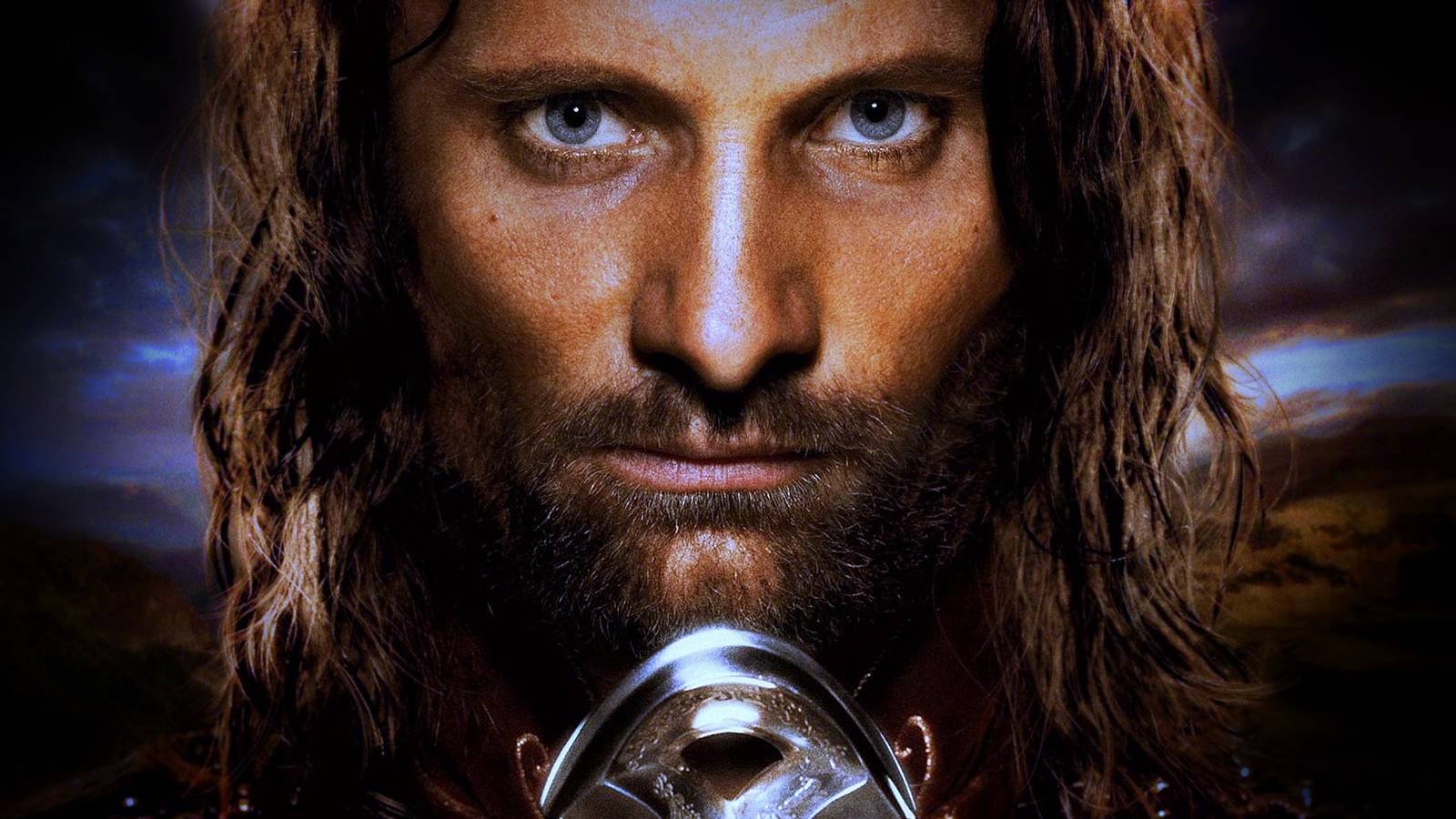
For countless fans across the globe, Aragorn, son of Arathorn, stands as an unwavering symbol of hope, courage, and rightful kingship in J.R.R. Tolkien's epic saga, *The Lord of the Rings*. Introduced mysteriously as "Strider," a rugged Ranger of the northern wilderness, his true identity as the heir to Gondor's throne slowly unravels, captivating readers with his journey from an exiled wanderer to a legendary king. Yet, tucked away within Tolkien's voluminous drafts and early notes lies a secret that might astonish even the most devoted Middle-earth scholar: the character we know as Aragorn was not only conceived with a surprisingly different, arguably more peculiar name but was also originally envisioned as a member of the diminutive hobbit race, a far cry from the towering human monarch he became.
The Ranger Who Wasn't Human: Aragorn's Hobbit Origins
The revelation that Aragorn was, in one of Tolkien's initial conceptualizations, a hobbit fundamentally reshapes our understanding of the character's genesis. This fascinating insight comes from *The History of Middle-earth* series, a monumental collection of Tolkien's unpublished writings, drafts, and notes compiled and edited by his son, Christopher Tolkien. These volumes, particularly *The Return of the Shadow* (the sixth book in the series and the first of *The History of The Lord of the Rings*), offer an unparalleled look into the author's meticulous and often-revising creative process. In these early manuscripts, the character who would eventually become Aragorn began life as a hobbit, a member of the same race as Frodo and Bilbo Baggins.
Imagine, for a moment, the profound implications of a hobbit leading the Fellowship or claiming the throne of Gondor. Such a choice would have dramatically altered the narrative's central themes of lineage, destiny, and the role of humankind in Middle-earth's fate. Tolkien's ultimate decision to make Aragorn a Dúnedain, a descendant of ancient Numenorean kings, imbued the story with a specific gravitas and a connection to the grand history of men, directly contrasting with the more unassuming and grounded nature of hobbits. This shift from hobbit to human king underscored a critical narrative arc about the return of a lost legacy and the resurgence of hope for the beleaguered realms of men.
From "Strider" to "Trotter": A Less Regal Moniker
Adding another layer of intrigue to Aragorn's early development is his original moniker: "Trotter." While "Strider" perfectly encapsulates the mysterious, nomadic essence of the Ranger, "Trotter" carries a distinctly different, arguably more whimsical or even less heroic connotation. The name seems to evoke a more pedestrian image, perhaps of someone who simply walks or ambles along, rather than a formidable warrior and leader of men. This seemingly mundane name, discovered alongside his hobbit origins in Tolkien's notes, paints a picture of a character initially conceived on a much smaller scale, befitting the humble stature of a hobbit.
The transformation from "Trotter" to "Strider" reflects Tolkien's evolving vision for the character's role and gravitas. "Strider" suggests endurance, a long journey, and a certain silent determination, all attributes essential to Aragorn's eventual identity. The later revelation of his true name, Aragorn, further elevates him to a position of royalty and ancient heritage, a name steeped in the lore of his ancestors. This iterative naming process is a testament to Tolkien's linguistic mastery and his understanding of how a name can profoundly shape a character's perceived identity and impact within a fictional world, moving from a common, almost comical descriptor to one imbued with nobility and purpose.
Unveiling Tolkien's Creative Crucible: The Evolution of a Legend
J.R.R. Tolkien's creative process was anything but linear; it was a sprawling, organic endeavor characterized by constant revision, expansion, and refinement. *The Lord of the Rings*, far from being a singular, inspired burst of genius, was meticulously crafted over decades, with characters, plotlines, and entire civilizations undergoing significant transformations. The existence of a hobbit named Trotter, intended to be a central figure, exemplifies this iterative approach, showcasing how even the most iconic elements of Middle-earth were subject to profound change before reaching their final, beloved forms.
Beyond Aragorn, numerous other elements of Middle-earth evolved dramatically. Gandalf, for instance, was initially a much more cantankerous and less benevolent wizard. The Ring itself underwent several conceptual changes, its power and significance deepening with each draft. Even Bilbo Baggins’s adventure in *The Hobbit* was initially written with different magical items and encounters before solidifying into the narrative we know. These documented shifts, meticulously preserved and published by Christopher Tolkien, highlight the author's relentless pursuit of thematic depth, narrative coherence, and internal consistency within his sprawling mythology. They reveal a writer who was not afraid to tear down and rebuild, always striving for the perfect balance of epic scope and intimate character development.
Thematic Depth Through Revision
The evolution of Aragorn from a hobbit named Trotter to a human King is not merely a cosmetic change; it's a pivotal decision that profoundly enriched the thematic tapestry of *The Lord of the Rings*. Aragorn's human identity, particularly his lineage as the last true descendant of the ancient Kings of Arnor and Gondor, is fundamental to themes of heroism, sacrifice, and the destiny of Men in Middle-earth. His story becomes a microcosm of the larger struggle for humanity's place in the world, demonstrating that even amidst decline and despair, a rightful leader can emerge to restore glory and hope.
As the returning king, Aragorn embodies the potential for good and the enduring spirit of his race. His journey from the shadowy identity of Strider to the radiant King Elessar forms a crucial counterpoint to the corrupting influence of the One Ring and the fading power of the Elves. A hobbit, while brave and steadfast, would not have carried the same weight of historical legacy or represented the same grand scale of renewed human dominion. Tolkien's revisions ensured that Aragorn's character resonated deeply with the epic's overarching narrative, solidifying his role as a central pillar of Middle-earth's redemption.
The Aragorn We Know: A Pillar of Middle-earth's Destiny
Ultimately, the Aragorn who emerged from Tolkien's crucible of creation is a character of immense depth and resonance. His path from a mysterious, brooding Ranger to the benevolent and powerful King of the Reunited Kingdom is one of the most compelling arcs in fantasy literature. He represents the culmination of ancient prophecies, the courage to embrace a daunting destiny, and the enduring strength of conviction. This final form of Aragorn, the human king, is indelible in the minds of millions, a testament to Tolkien's genius in making the necessary, albeit significant, changes to his initial concepts.
The unearthed 'secret' of Aragorn's hobbit origins and the name Trotter does not diminish his iconic status but rather enhances it. It offers a rare glimpse into the complex, often unpredictable, artistic process behind a literary masterpiece. It reminds us that even the most fully realized characters often begin as nascent ideas, reshaped and refined through the author's vision, leading to the beloved figures we celebrate today. This evolution is a powerful illustration of how the raw material of imagination is molded into timeless legend.
The journey of Aragorn from a humble hobbit named Trotter to the valiant King of Gondor underscores the intricate layers of J.R.R. Tolkien's creative process and the profound impact of his revisions on the enduring legacy of Middle-earth. This fascinating behind-the-scenes look is just one of many compelling stories waiting to be discovered. Dive deeper into the rich lore and incredible evolution of your favorite sagas and characters by continuing to explore the insightful articles and in-depth analyses available right here on NAME OF SITE. Your next great discovery is just a click away!
Fonte: https://screenrant.com