From ancient myths whispered around campfires to the dazzling special effects on modern screens, dragons have captivated human imagination for millennia. These magnificent, often fearsome, creatures transcend cultural boundaries, appearing in folklore, literature, and, most notably, in the vibrant worlds of movies and television. Their diverse portrayals—ranging from terrifying beasts of destruction to loyal, intelligent companions—reflect humanity's complex relationship with power, nature, and the unknown. In contemporary media, dragons are no longer just monsters; they are fully realized characters, integral to the narratives they inhabit, shaping worlds and influencing the destinies of heroes and villains alike. Their cinematic and televisual presence offers a rich tapestry of symbolism, adventure, and emotion, solidifying their status as truly iconic figures in popular culture.
The Fearsome Foes: Dragons as Antagonists and Harbingers of Chaos
While many dragons are depicted with admirable qualities, the archetype of the monstrous, destructive dragon remains a powerful force in storytelling. These creatures often serve as formidable antagonists, embodying greed, primal power, or an existential threat that challenges the very fabric of civilization. Their raw strength, combined with cunning intellect, makes them some of the most memorable villains to grace the screen.
Smaug: The Hoarder of Erebor
One of the most vividly realized monstrous dragons in modern cinema is <strong>Smaug</strong> from Peter Jackson's <i>The Hobbit</i> trilogy. Adapted from J.R.R. Tolkien’s classic novel, Smaug is a highly intelligent, articulate entity driven by insatiable greed. He embodies the classic European dragon myth: a colossal, winged serpent with fiery breath, hoarding a vast treasure deep within the Lonely Mountain. His presence cast a long shadow over Middle-earth, dispossessing the Dwarves and catalyzing Bilbo Baggins's adventures. Smaug's menacing voice, brought to life by Benedict Cumberbatch, and his intimidating pursuit of Bilbo, underscore his terrifying yet charismatic nature. His ultimate demise powerfully reinforces the peril of unchecked avarice.
King Ghidorah: The Three-Headed Terror
In the kaiju-infested landscapes of the <i>Godzilla</i> franchise, <strong>King Ghidorah</strong> stands as an iconic dragon-like antagonist. This colossal, three-headed, golden dragon is an extraterrestrial alpha predator, a cosmic rival to Godzilla himself. Unlike Smaug's territorial greed, Ghidorah represents an apocalyptic, indiscriminate force of destruction, often threatening global annihilation. His lightning-fast energy beams and the sheer scale of his devastation make him a true harbinger of chaos. Ghidorah's recurring role establishes him as a universal nemesis, underscoring humanity's vulnerability against cosmic threats.
Viserion: The Ice Dragon of Westeros
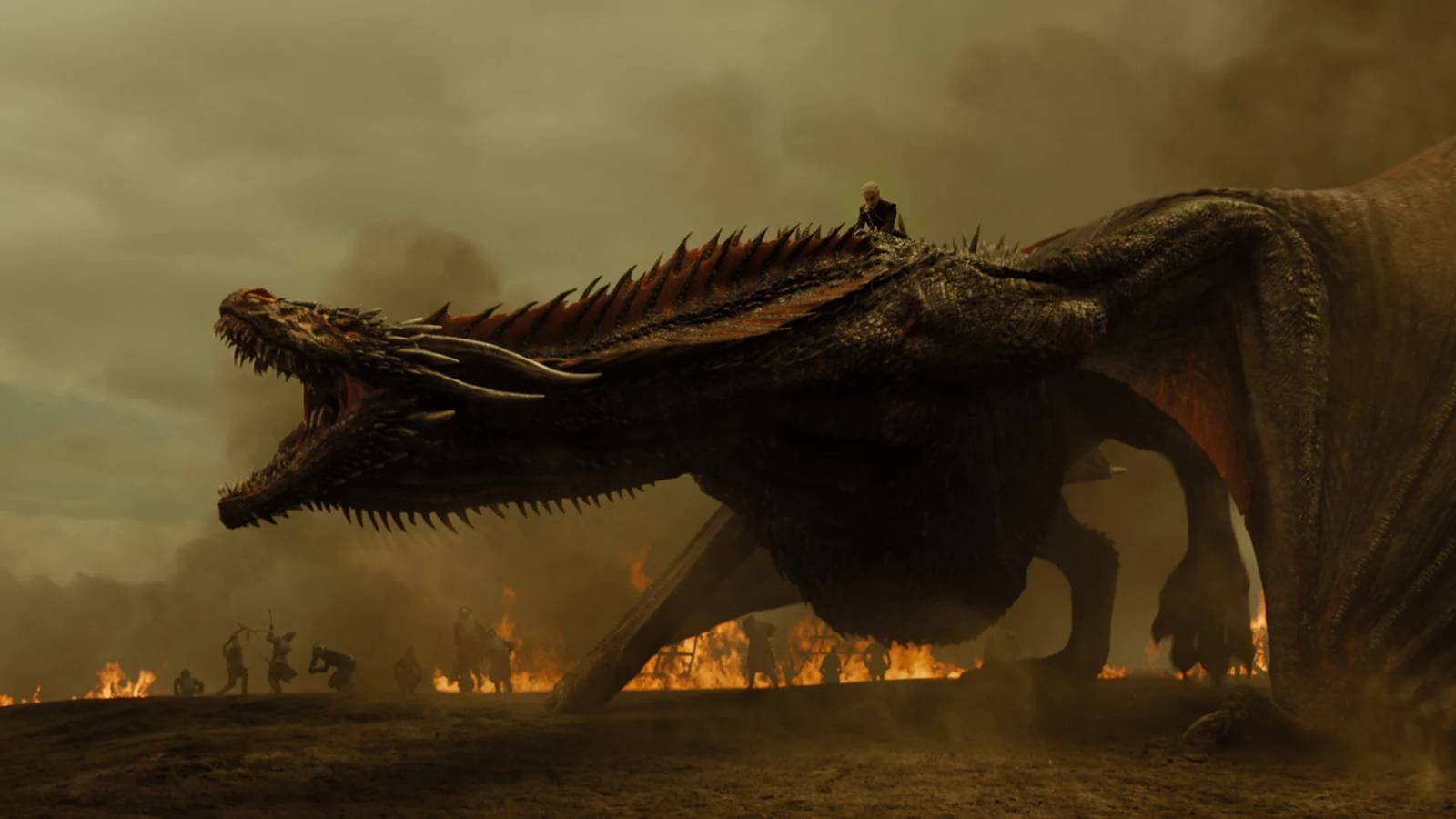
In <i>Game of Thrones</i>, the tragic transformation of <strong>Viserion</strong> exemplifies how noble creatures can become instruments of terror. Initially one of Daenerys Targaryen's magnificent dragons and an unpredictable ally, his devastating fall to the Night King and subsequent resurrection as an ice zombie dragon profoundly altered the trajectory of the Great War. With glacial blue eyes and devastating ice breath, Viserion became a terrifying force for the White Walkers, tearing down the Wall and posing an unprecedented threat. His story underscores the series' themes of corruption, loss, and the danger of power turned malevolent, shifting the balance of Westeros irrevocably.
Noble Guardians and Beloved Companions: Dragons as Allies and Protagonists
Challenging the ancient narrative of dragons as purely destructive forces, many modern tales have reimagined these creatures as intelligent, empathetic, and even adorable allies. These portrayals offer a refreshing perspective, focusing on themes of friendship, understanding, and the power of interspecies bonds.
Toothless: The Unlikely Hero
Few dragons have captured hearts like <strong>Toothless</strong> from the <i>How to Train Your Dragon</i> franchise. Initially feared as a deadly Night Fury, Toothless's character arc with Hiccup redefined the cinematic dragon. Portrayed as intelligent, playful, and fiercely loyal, capable of complex emotions, he is far from a mindless beast. His expressive eyes and body language convey a deep personality, transforming him from a perceived monster into a misunderstood, benevolent being. The bond between Hiccup and Toothless showcases themes of empathy, communication, and breaking down prejudice. Toothless’s iconic design and personality solidified his status as a beloved figure who profoundly reshaped audience perceptions of dragons.
Falkor: The Luckdragon of Fantastica
From <i>The NeverEnding Story</i> emerges <strong>Falkor</strong>, the benevolent luckdragon. Unlike scaly, fire-breathing dragons of Western lore, Falkor is a serpentine, dog-like creature with white scales and a gentle, wise demeanor. He possesses the unique ability to bring good fortune, making him an invaluable companion to young heroes like Bastian. Falkor's role is primarily one of guidance and encouragement, offering wisdom and help during despair. His memorable flight scenes, combined with his optimistic personality, position him as a symbol of hope and the power of imagination. Falkor embodies the gentle giant archetype, proving some dragons exist to inspire and protect.
Saphira: The Rider's Companion
In Christopher Paolini's <i>Inheritance Cycle</i>, featured in the film <i>Eragon</i>, <strong>Saphira</strong> is a formidable and deeply empathetic dragon, bound telepathically to her rider, Eragon. She exemplifies dragons as intelligent, ancient beings with distinct personalities and wisdom. Saphira is a loyal companion, powerful warrior, and mentor, guiding Eragon through his Dragon Rider journey. Her growth from hatchling to majestic dragon mirrors Eragon's development, highlighting their profound symbiotic relationship. Saphira challenges the traditional subservient role of mythical beasts, standing as an equal partner in their shared destiny, showcasing the immense power and wisdom emerging from such unique bonds.
Haku: The River Spirit
Studio Ghibli’s masterpiece <i>Spirited Away</i> introduces <strong>Haku</strong>, whose true form is that of a beautiful, shimmering white dragon. Initially appearing as a mysterious boy, his transformation reveals him as the spirit of the Kohaku River. His dragon form is not one of malice but of ethereal beauty and power, symbolizing nature's majesty. Haku acts as Chihiro’s protector and guide in the Spirit World, embodying themes of environmentalism, memory, and redemption. His gentle nature, despite immense power, distinguishes him from Western portrayals, offering a distinctly Eastern perspective where dragons are benevolent deities or nature spirits, bringing good fortune and wisdom rather than destruction.
The Enduring Cultural and Narrative Impact of Dragons
The enduring popularity of dragons in movies and TV shows speaks volumes about their deep significance in the human psyche. They serve as potent metaphors for humanity's greatest fears and aspirations. As destructive forces, they symbolize unchecked power, greed, and the chaos of nature. As allies, they represent wisdom, loyalty, and harmonious coexistence. The evolution of their portrayal, from simple monsters to complex characters, reflects a maturing of fantasy storytelling. Across cultures, whether revered as celestial beings in the East or vanquished as formidable beasts in the West, dragons consistently challenge us to confront inner demons and aspire to greater heights, solidifying their status as timeless figures whose roar will echo through cinematic and televisual history.
Dive deeper into the fantastical realms of cinema and television by exploring more of our in-depth analyses and character spotlights. Continue your journey through the rich narratives that captivate audiences worldwide right here on our platform. Discover your next favorite story!
Fonte: https://screenrant.com