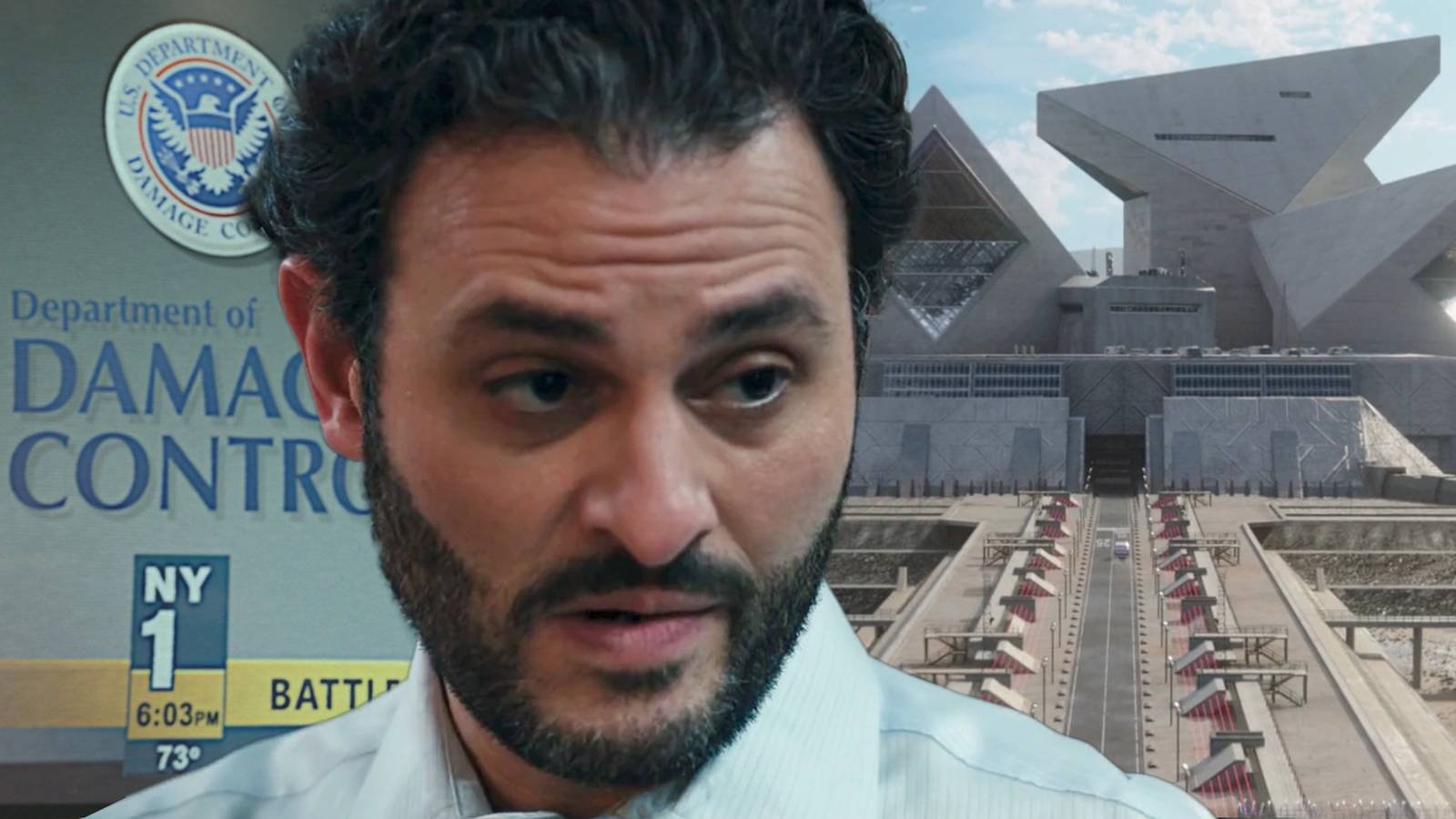
In the sprawling, interconnected narrative of the Marvel Cinematic Universe, while caped crusaders battle cosmic threats and supervillains scheme, an often-overlooked yet critical bureaucratic entity works tirelessly behind the scenes: the Department of Damage Control (DDC). This federal agency, designed to manage the fallout of superhuman conflicts, has quietly evolved from a cleanup crew into a formidable enforcement body. Its presence grounds the fantastical elements of the MCU in a tangible, bureaucratic reality, demonstrating the very real consequences of superhero action.
This article delves deep into the DDC's complete MCU timeline, tracing its origins, documenting its significant appearances, and speculating on its future trajectory. From its initial post-battle cleanups to its expanded role in policing enhanced individuals, the DDC's evolution mirrors the MCU's increasing complexity. Be advised: the discussion of the DDC's potential future, particularly concerning upcoming projects like Marvel's *Wonder Man* series, may contain speculative spoilers based on current information and patterns within the franchise.
Inception and Initial Purpose: Addressing the Chaos
The Department of Damage Control first appeared in Marvel Comics in 1988, initially conceived as a joint venture between Tony Stark and the U.S. government to rebuild after superhero battles. Its MCU adaptation reflects this core concept, emerging primarily after the Battle of New York in *The Avengers*. Established to handle the specialized cleanup, salvage, and property restoration needed after alien invasions and collateral damage from super-powered conflicts, the DDC represents the government's attempt to impose order on a world increasingly defined by extraordinary events and widespread destruction.
*Spider-Man: Homecoming* – The First Major Appearance
The DDC truly stepped into the spotlight as a pivotal plot driver in 2017's *Spider-Man: Homecoming*. Following the Battle of New York, Adrian Toomes’ salvage company was contracted to clean up the Chitauri wreckage. However, the DDC unexpectedly intervened, seizing control of the operation and deeming alien technology too dangerous for civilian handling. This abrupt governmental takeover disenfranchised Toomes and his crew, driving him to repurpose the salvaged tech into advanced weaponry and become the villainous Vulture, directly demonstrating the DDC's unforeseen socio-economic impact.
This incident established the DDC's dual nature: a necessary agency for public safety but also a powerful, impersonal bureaucracy capable of disrupting lives and sparking resentment. Its actions in *Homecoming* underscored a significant theme in the MCU: how even well-intentioned governmental oversight in a super-powered world can have unintended and often detrimental consequences for ordinary citizens, inadvertently creating new threats for heroes like Spider-Man to face.
Post-Blip Transformation: A Broader Mandate and Heightened Enforcement
The five-year period of the Blip, followed by the sudden return of billions, dramatically reshaped the DDC's mission. The world grappled with immense societal upheaval, fear, and a heightened awareness of superhuman threats. Consequently, the DDC's mandate expanded significantly beyond mere physical damage control. It evolved into a formidable federal organization focused on monitoring, tracking, and apprehending individuals with enhanced abilities, reflecting a governmental shift towards proactive control and regulation of the super-powered population in a post-Blip reality.
*Ms. Marvel* – Policing Emerging Enhanced Individuals
This expanded role was starkly evident in the *Ms. Marvel* series. The DDC, now equipped with advanced technology and tactical units, aggressively pursued Kamala Khan and other enhanced individuals like the Clandestines. Their pursuit went beyond simply containing threats; it involved surveillance, warrantless searches, and the use of force against a teenager, highlighting a troubling increase in their authority and a more militarized approach to perceived superhuman threats. The agency's actions underscored a growing tension between individual liberties and governmental control in the MCU.
The DDC's portrayal in *Ms. Marvel* transformed them from a logistical cleanup service into a direct antagonist for emerging heroes. Their methods sparked public debate and demonstrated a willingness to push legal boundaries in their mission to maintain control. This aggressive stance cemented their image as a force to be reckoned with for anyone manifesting new powers, setting a precedent for future interactions between superhumans and state authority.
*She-Hulk: Attorney at Law* – Legal and Regulatory Authority
In *She-Hulk: Attorney at Law*, the DDC's legal and regulatory authority was further explored. They were frequently involved in cases concerning superhumans, holding individuals accountable for property damage or public disturbances, even when unintended. The series showcased the DDC's significant legal reach and their role in the complex legal landscape surrounding enhanced individuals, often appearing as an imposing, if not entirely antagonistic, force within the judicial system.
This iteration of the DDC solidified its position as a powerful regulatory body, with agents like P. Cleary maintaining a stern, almost intimidating presence. Their involvement underscored the challenges superhumans face, not just from villains, but from the very system designed to maintain order. The DDC’s actions, whether confiscating evidence or intervening in legal proceedings, consistently reinforced the notion that their authority extends into every facet of superhuman activity, from physical cleanup to legal accountability.
The Road Ahead: DDC's Strategic Importance in a Super-Powered World
The trajectory of the Department of Damage Control illustrates a clear evolution within the MCU. What began as a logistical solution for a world grappling with extraordinary events has morphed into a significant governmental enforcement agency. Its growing scope reflects the MCU’s increasing complexity, where the line between hero and villain often blurs, and the implications of extraordinary powers demand ever-more stringent oversight. The DDC, therefore, is poised to play an even more strategic role in the ongoing narrative, embodying the perpetual tension between unchecked power and centralized control.
The *Wonder Man* Series and Uncharted Territory
The upcoming *Wonder Man* series is anticipated to offer new insights into the DDC's operations and influence. As Simon Williams, aka Wonder Man, is a public figure and actor who gains superpowers, his story could uniquely position the DDC. Will they attempt to recruit, control, or contain him? The series may explore the DDC's involvement in managing celebrity superhumans, the ethical dilemmas of their expanded surveillance, or even delve into internal conflicts within the organization itself, revealing different factions or differing philosophies regarding superhuman oversight.
This project could significantly expand the DDC's lore, potentially revealing its connections to other governmental entities, corporations, or even how it handles the public relations aspect of superhero incidents. *Wonder Man* presents an opportunity to see the DDC not just as a reactive force, but as an integral part of the larger societal and political landscape of the MCU, possibly even hinting at their role in broader storylines concerning mutant registration or enhanced individual databases in future phases.
Conclusion: The Unsung Bureaucracy of the MCU
From clearing debris after alien invasions to actively policing enhanced individuals, the Department of Damage Control has steadily grown in prominence and power within the Marvel Cinematic Universe. Its journey from a specialized cleanup crew to a significant federal agency underscores the MCU's commitment to exploring the nuanced realities of a world populated by gods, monsters, and heroes. The DDC provides a vital, grounded counterpoint to the fantastical, reminding audiences that even extraordinary events leave tangible, bureaucratic consequences.
The DDC's evolving role promises continued relevance in future MCU narratives, raising critical questions about power, accountability, and freedom. What do you think the future holds for the Department of Damage Control? Share your predictions and delve deeper into more comprehensive analyses of the MCU's intricate tapestry by continuing to explore our extensive content here at NAME OF SITE.
Fonte: https://screenrant.com