For over three decades, the iconic Star Trek franchise has woven intricate cultural tapestries, often blending the familiar with the profoundly alien. Among its most beloved and enduring running gags is the Klingon fascination with William Shakespeare, a comedic yet insightful juxtaposition that has resonated with fans since its inception. Now, in a narrative culmination anticipated by many, *Star Trek: Starfleet Academy* Season 1, Episode 8, titled "The Life of the Stars," delivers a compelling payoff to this 35-year-old in-joke, deepening the lore and acknowledging the rich history of the Star Trek universe.
The Genesis of a Galactic Literary Obsession
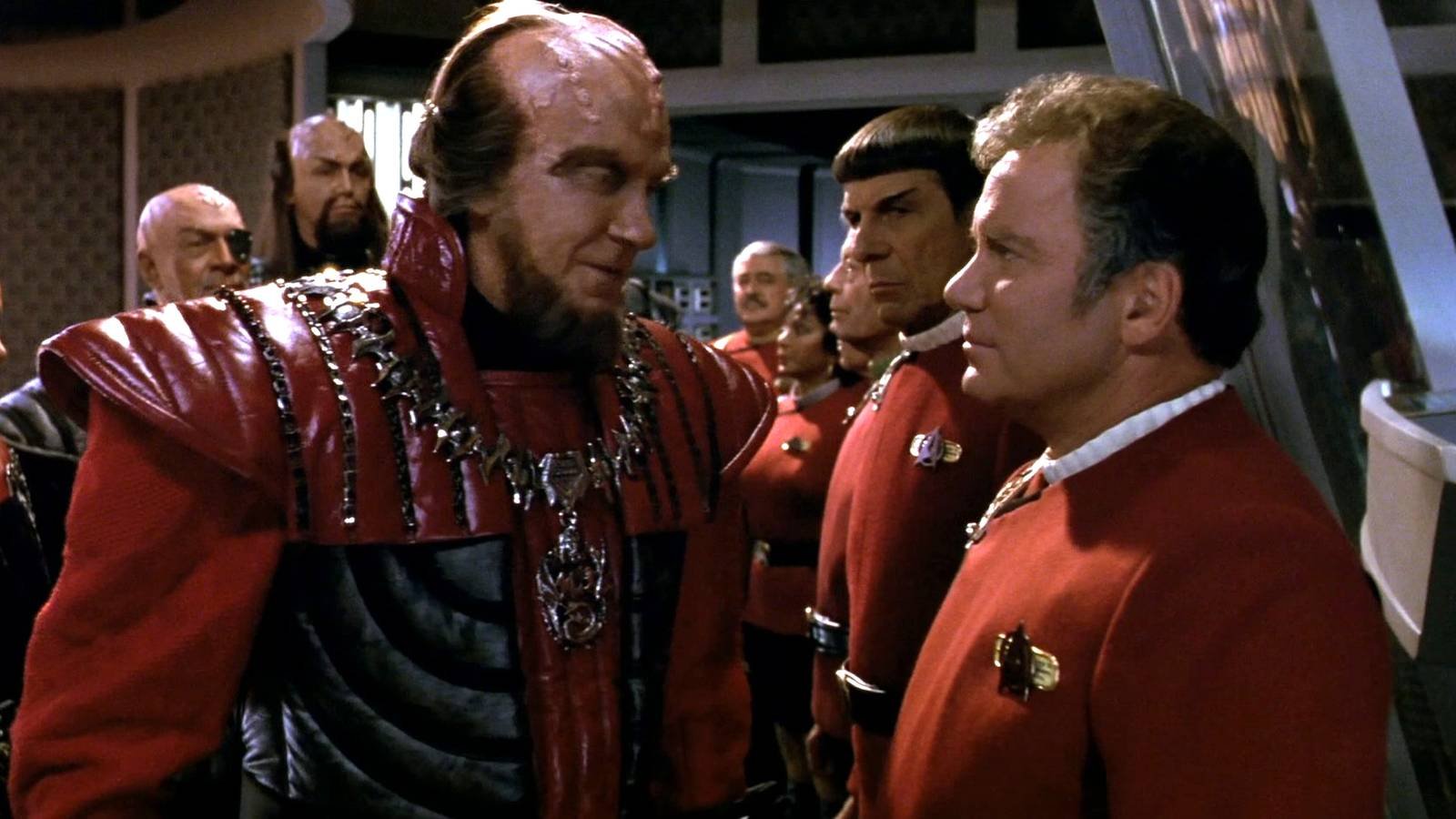
The unlikely literary bond between the warrior race of Klingons and the Elizabethan playwright William Shakespeare first surfaced prominently in the film *Star Trek VI: The Undiscovered Country* (1991). In this cinematic entry, Chancellor Gorkon, a Klingon leader advocating for peace with the United Federation of Planets, famously declares, "You have not experienced Shakespeare until you have read him in the original Klingon." This line, delivered with gravitas, immediately established a humorous yet profound cultural quirk. It suggested that Klingons not only appreciate Shakespeare's works but believe their guttural language and warrior ethos are uniquely suited to understanding and expressing the raw emotions, battles, and honor inherent in plays like *Hamlet* or *Macbeth*. This bold statement quickly captured the imaginations of fans, becoming a cornerstone of Klingon cultural identity within the broader Star Trek canon.
The humor in the joke stems from the absurdity of a fierce, honor-bound alien species finding such deep resonance in Earth's classical literature. However, beneath the surface-level comedy lies a genuine thematic connection. Shakespeare's tragedies, with their themes of honor, betrayal, revenge, political intrigue, and grand rhetorical declarations, align remarkably well with the core tenets of Klingon philosophy. Their society values courage, loyalty, and a glorious death in battle, mirroring many of the heroic and tragic arcs found in Shakespeare's plays. This initial joke wasn't merely a throwaway line; it was a clever piece of world-building that added layers of complexity to the Klingon Empire, portraying them not just as brutish adversaries but as a civilization with a distinct and perhaps surprisingly sophisticated cultural appreciation.
A Tradition Sustained: Klingon Shakespeare Across the Decades
Following its memorable introduction, the Klingon-Shakespeare trope continued to reappear in various Star Trek series, cementing its place as an integral part of the lore. Characters like Lieutenant Worf, a Klingon serving in Starfleet, often referenced Shakespeare, sometimes reciting lines or debating interpretations with fellow crew members. His internal conflict between his Starfleet duties and his Klingon heritage often found parallels in the moral dilemmas presented in Shakespearean tragedies. These repeated references weren't just fan service; they further elaborated on the depth of Klingon cultural absorption of Shakespeare, portraying it as more than just an exotic curiosity but a genuine intellectual pursuit within their society. Starfleet officers, too, sometimes engaged with this Klingon fascination, leading to humorous or insightful cross-cultural exchanges.
Over the years, the concept even extended beyond the screen, inspiring real-world Klingon language enthusiasts to translate actual Shakespearean works, such as *Hamlet* and *Much Ado About Nothing*, into *tlhIngan Hol*, the constructed Klingon language. This symbiotic relationship between the fictional universe and its devoted fandom exemplifies the enduring power of the joke, transforming it from a mere punchline into a rich cultural touchstone that defines the Klingon identity. Each subsequent mention or reference served to reinforce the idea that, despite their alien nature, Klingons shared a fundamental appreciation for profound storytelling and dramatic conflict, themes that transcend species and even galaxies.
The Long-Awaited Payoff in 'The Life of the Stars'
In *Star Trek: Starfleet Academy* Season 1, Episode 8, "The Life of the Stars," this venerable running gag receives its most significant narrative resolution to date. The episode delves into the academic and cultural aspects of Starfleet training, showcasing how the Federation strives to understand and integrate diverse cultures, even those of former adversaries. Within the hallowed halls of the Academy, where future Starfleet officers are forged, the episode finally formalizes the Klingon connection to Shakespeare, not just as a joke, but as a recognized academic discipline and cultural exchange. This climactic payoff reveals a dedicated curriculum or program focused on the study of Klingon interpretations of Shakespeare, perhaps even the introduction of Klingon language courses designed to facilitate a deeper understanding of these translations. Such an initiative signifies Starfleet's commitment to cultural empathy and intellectual curiosity, integrating aspects of Klingon culture into its own educational framework.
The significance of this development cannot be overstated for long-time Star Trek fans. It elevates a beloved piece of lore from a comedic interjection to a foundational element of interspecies cultural understanding within the Federation. By officially incorporating Klingon Shakespeare into the Starfleet Academy curriculum, the show validates decades of fan engagement and narrative consistency. It suggests that the warrior race's unique perspective on Shakespeare's tales of honor, ambition, and tragedy is not just quirky, but genuinely valuable and deserving of academic study. This move underscores the overarching Star Trek theme of diversity and inclusion, demonstrating that even the most unexpected cultural bridges can be built through shared artistic appreciation and academic exploration, fostering a deeper respect and understanding between different species.
Broader Implications for the Star Trek Universe
The decision to pay off this long-standing joke in *Starfleet Academy* is more than just a nod to continuity; it represents a thoughtful expansion of the Star Trek universe. It highlights the evolving relationship between the Federation and the Klingon Empire, moving beyond a simple peace treaty to a period of genuine cultural exchange and mutual respect. For the cadets at Starfleet Academy, this means a more comprehensive education that prepares them not only for combat or exploration but also for nuanced diplomatic and cultural interactions. Understanding Klingon philosophy through their Shakespearean interpretations could prove invaluable in future encounters, allowing Starfleet personnel to navigate complex interspecies dynamics with greater insight and empathy. This academic integration reflects a mature and sophisticated approach to galactic diplomacy and cultural understanding, reinforcing Starfleet's mission to boldly go where no one has gone before, not just physically, but culturally and intellectually.
Furthermore, this development provides rich new avenues for future storytelling. What other alien cultural interpretations of Earth or other species' art forms might exist? How do these studies impact the cadets' perceptions of diplomacy, war, and peace? By giving such prominence to a previously comedic element, *Starfleet Academy* signals a commitment to exploring the deeper, more complex facets of its established lore, ensuring that the franchise remains fresh and relevant while honoring its storied past. It's a testament to the enduring creativity of Star Trek, proving that even its oldest jokes can contribute to profound narrative growth.
The payoff of the 35-year-old Klingon Shakespeare joke in *Star Trek: Starfleet Academy* is a significant moment for the franchise, blending humor, history, and profound cultural insight. It reinforces the idea that true understanding between species comes from appreciating their deepest cultural expressions, however unexpected they may seem. Dive deeper into the rich tapestry of Star Trek lore, explore other fascinating cultural analyses, and stay updated on the latest developments across the galaxy by continuing to browse NAME OF SITE. Your journey through the universe of knowledge has just begun!
Fonte: https://screenrant.com