
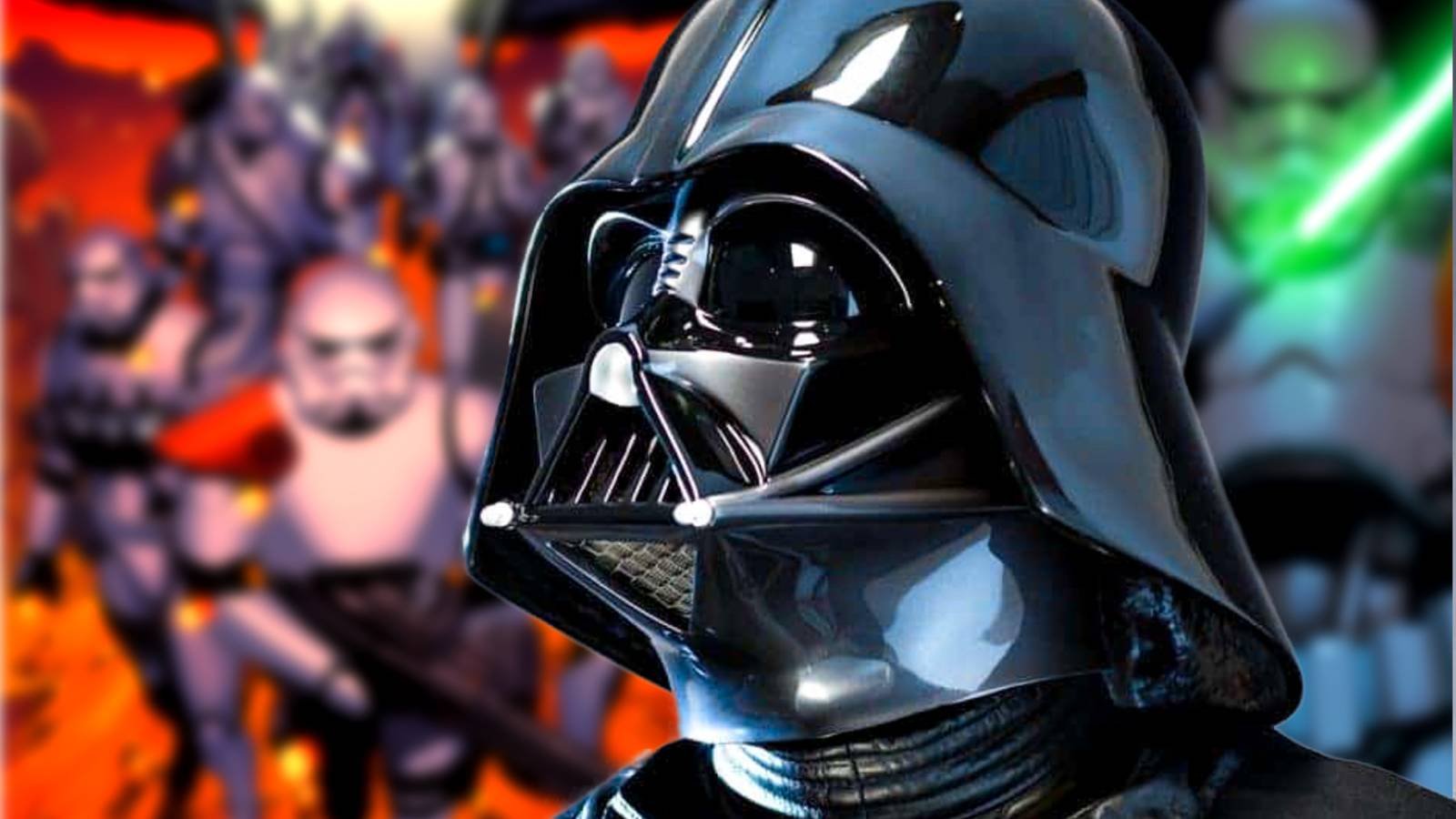
The Star Wars galaxy is renowned for its iconic heroes, but just as integral to its enduring appeal are the unforgettable antagonists who challenge them. From the heavy breathing of Darth Vader to the calculated cunning of Emperor Palpatine, these villains often define the very stakes and emotional core of the saga. Yet, beyond the cinematic and animated epics lies a rich tapestry of expanded lore—comics, novels, and games—that houses a myriad of equally compelling, albeit lesser-known, foes. Among these are groups introduced years ago in the comics, whose sinister potential and unique narratives have remained largely untapped by the wider live-action universe, representing a significant missed opportunity for the franchise.
The Enduring Shadow of Star Wars Villains
For generations, Star Wars has captivated audiences with its masterfully crafted villains. Darth Vader, with his tragic backstory and imposing presence, stands as a paragon of cinematic antagonism, while Emperor Palpatine embodies the insidious corruption of absolute power. Characters like Darth Maul, Count Dooku, and Grand Admiral Thrawn have each contributed distinct layers to the dark side of the Force and the Empire's might, proving that a strong antagonist is crucial for a compelling narrative. Their complex motivations, intimidating designs, and profound impact on the heroes not only elevate the drama but also deepen our understanding of the galaxy's perpetual struggle between light and shadow. This tradition of crafting memorable foes is a cornerstone of the franchise's storytelling success, setting a high bar for any new threats introduced.
Unearthing a Post-Imperial Threat: The Acolytes of the Beyond
Among the most intriguing of these underutilized antagonists are the Acolytes of the Beyond, a dark side cult introduced in Chuck Wendig’s *Aftermath* novel trilogy, which began in 2015. Appearing shortly after the Battle of Endor and the collapse of the Galactic Empire, this fanatical group emerged from the galaxy’s fringes, united by a profound and zealous reverence for Darth Vader. Far from being traditional Sith Lords or even Force-sensitive individuals, the Acolytes were driven by a radical ideology: they believed that by gathering and destroying artifacts connected to the Sith and Vader, they could somehow unleash his spirit to restore order to a chaotic galaxy. Their emergence marked a unique form of dark side influence in a post-Imperial era, distinct from the organized military power of the Empire or the ancient machinations of the Sith.
A Legacy of Veneration and Destruction
The Acolytes of the Beyond possessed a strikingly visual and ritualistic nature that set them apart. Many wore salvaged, often grotesque, armor pieces and helmets reminiscent of Darth Vader’s iconic mask, signifying their devotion. They wielded various types of lightsabers, often imperfect or crude, not as Force-users might, but as revered implements of destruction and sacrifice. Their ultimate goal was not conquest or political power in the conventional sense, but rather a spiritual mission to honor Vader's legacy by plunging the galaxy into a state of chaos they believed would facilitate his return. This fanaticism, combined with their mysterious origins and chilling practices, imbued them with a captivating mystique that hinted at a fresh and unsettling take on dark side followers within the Star Wars canon, offering a new dimension to the galaxy's villainous landscape.
The Overlooked Potential: Why the Acolytes Deserve the Spotlight
Despite their compelling premise, the Acolytes of the Beyond have remained largely confined to the pages of the *Aftermath* novels, with only minor mentions or visual nods in other media. This represents a significant missed opportunity for the Star Wars franchise, as their unique narrative function could have provided rich storytelling avenues. In the tumultuous period after the Empire's fall, their zealous devotion to Vader offered a direct connection to the galactic past and a tangible representation of the dark side's lingering influence. Their existence could have served as a critical narrative bridge, illustrating how the remnants of Imperial ideology and dark side worship persisted and mutated, eventually paving the way for the rise of new threats like the First Order. Their distinct form of dark side fanaticism, untethered from traditional Sith lineages, could have broadened the understanding of Force worship and its dangers.
A Bridge to the Sequels' Darkness
The Acolytes of the Beyond could have played a crucial role in deepening the context for the sequel trilogy, particularly in explaining the galaxy’s susceptibility to the First Order and Kylo Ren's eventual obsession with Darth Vader. Imagine seeing these cultists in live-action, actively working to fulfill their dark prophecies, their actions directly influencing the fear and instability that allowed the First Order to gain traction. Their presence could have provided a more organic transition from the defeat of the Empire to the rise of Snoke and Kylo Ren, showcasing that the dark side's grip was never truly broken, merely dormant or decentralized. Integrating them would not only have provided compelling antagonists for early New Republic stories but also added significant narrative weight and coherence to the overarching galactic conflict, making the galaxy feel more interconnected and alive with simmering threats.
Beyond the Acolytes: A Trove of Underutilized Comic Antagonists
The Acolytes of the Beyond are not an isolated case. The Star Wars comics and novels are brimming with inventive villains whose depth and narrative potential far exceed their current exposure. Consider Doctor Aphra's delightfully sinister droid companions, Triple-Zero and BT-1, whose murderous efficiency and sardonic wit offer a refreshing take on droid antagonists. Or Commander Karbin, a Gungan cyborg who was obsessed with recreating General Grievous, providing a unique and tragic parallel to Vader’s own cybernetic existence. Even figures from the expansive *High Republic* era comics, such as the Nihil's terrifying leaders, possess complex motivations and unique methods of chaos that could translate powerfully to the screen. These characters demonstrate a consistent pattern: the creative wellspring of the expanded canon frequently produces antagonists that are innovative, visually striking, and narratively rich, yet they often remain confined to their original mediums, limiting their impact on the broader fan base.
The Value of Expanded Lore in a Dynamic Franchise
The expanded lore of Star Wars—encompassing comics, novels, and animation—is far more than supplementary material; it serves as a vital laboratory for exploring new narratives, characters, and thematic depths. It provides creators with the freedom to experiment with concepts and antagonists that might be too unconventional for immediate cinematic adaptation but are nonetheless crucial to enriching the galaxy's fabric. By developing characters like the Acolytes of the Beyond in these formats, Lucasfilm invests in a vast reservoir of established lore, complete with backstories, motivations, and fan appreciation. To neglect these well-crafted characters in favor of constantly inventing entirely new ones risks overlooking compelling existing narratives and potentially alienating a dedicated segment of the fanbase that actively engages with all forms of Star Wars storytelling. Leveraging these existing assets can create a more cohesive and deeply layered universe.
Charting a Course for Future Star Wars Narratives
As the Star Wars franchise continues to expand across various media, particularly with the proliferation of Disney+ series, there is an unparalleled opportunity to integrate these underutilized comic villains into live-action. Imagine the Acolytes of the Beyond appearing in a series set during the New Republic era, such as *The Mandalorian* or its spin-offs, providing a tangible dark side threat that predates the First Order's full emergence. Their inclusion would not only reward long-time readers of the expanded canon but also introduce fresh, complex antagonists to a wider audience, offering new perspectives on the struggle against the dark side. By embracing and adapting these established characters, Lucasfilm can enrich the cinematic universe, deepen its narrative connections, and demonstrate a commitment to utilizing the full breadth of its storytelling potential, ensuring the galaxy far, far away remains vibrant and surprising for years to come.
The Star Wars saga thrives on the strength of its villains, and the comic universe has consistently delivered fascinating antagonists with untold potential. By bringing characters like the Acolytes of the Beyond into the mainstream, the franchise can inject new life, deepen its lore, and offer compelling narratives that resonate with both dedicated fans and new audiences alike. Explore more in-depth analyses of the Star Wars universe and its rich characters by continuing to browse NAME OF SITE.
Fonte: https://screenrant.com