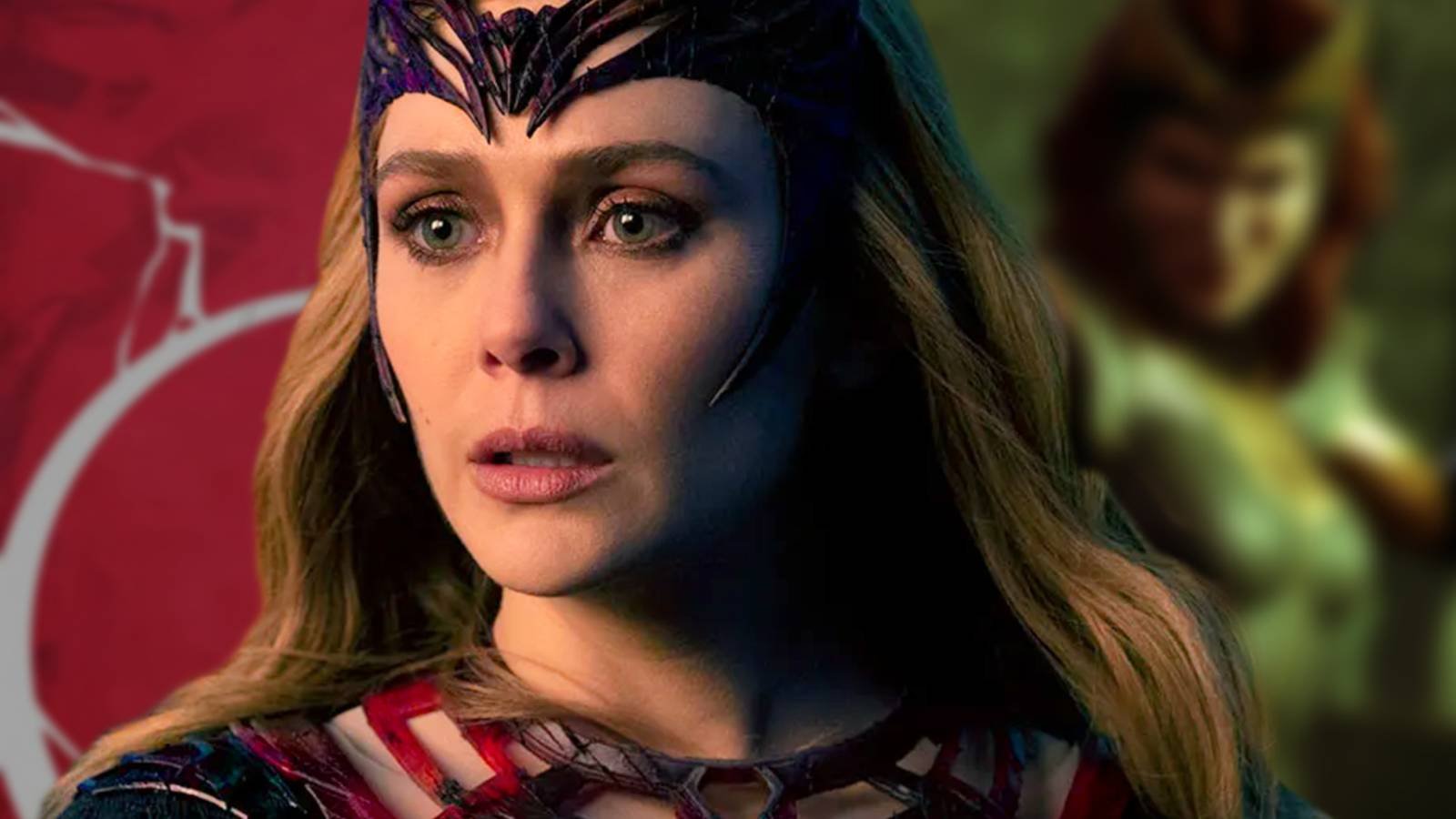
Fans of Marvel's enigmatic sorceress, the Scarlet Witch, are buzzing with excitement as Wanda Maximoff officially embraces a pivotal piece of her past. In a surprising and highly anticipated move, her earliest, often-forgotten green costume, first introduced in 1964, has made a triumphant return to the comic book pages. This unexpected sartorial decision not only offers a powerful nod to her storied origins but also prompts a deeper exploration into the character's intricate evolution, signaling a potential narrative shift for one of the Marvel Universe's most potent figures.
A Glimpse into Wanda's Formative Years: The 1964 Debut
To fully appreciate the significance of this costume's return, one must travel back to 1964, the dawn of the Marvel Age. It was in *X-Men* #4 that readers first encountered Wanda Maximoff, the Scarlet Witch, alongside her twin brother Pietro, Quicksilver. Created by the legendary duo Stan Lee and Jack Kirby, these characters debuted not as heroes, but as reluctant members of the Brotherhood of Evil Mutants, led by Magneto. Wanda's initial attire was a striking green bodysuit, accented with a black leotard, a simple cloak, and distinctive headpiece. This design was a far cry from the iconic red ensemble she would later adopt, yet it was emblematic of her early, more ambiguous role in the burgeoning Marvel tapestry. The green served as a stark contrast to the vibrant reds and blues dominating the superhero landscape, perhaps subtly symbolizing her initial alignment with characters often depicted with more Earth-toned or villainous palettes. Its simplicity reflected a time when character designs were often straightforward, laying the groundwork for the complex visual language that would define Marvel's heroes and villains for decades to come.
The Evolving Aesthetics of a Chaos-Wielder
Over her nearly six-decade history, the Scarlet Witch has undergone numerous costume revisions, each reflecting changes in her powers, personality, and narrative arc. From her initial green outfit, Wanda transitioned to her most recognizable red leotard, pink tights, flowing red cape, and distinctive wimple-like headpiece – a look that became synonymous with her tenure as an Avenger. This classic red attire, often interpreted as a symbol of her passion, power, and connection to chaos magic, cemented her image in the minds of fans worldwide. Subsequent iterations saw her experimenting with various designs, including more practical superhero suits, flowing robes during mystical storylines, and even the memorable, more streamlined uniform from the *House of M* saga. Each costume change was not merely aesthetic; it was often a visual shorthand for pivotal moments in her character development, from grappling with her mutant heritage to mastering her unparalleled magical abilities. The deliberate shift back to her earliest appearance now suggests a thoughtful revisiting of her foundations, perhaps indicating a narrative where Wanda grapples with her past or reconnects with her earliest motivations and struggles.
The Strategic Revival: Why Now for the Green Garb?
The decision to bring back Wanda's initial green costume is more than just a nostalgic Easter egg; it's a calculated move by Marvel's creators, rich with potential narrative implications. In an era where legacy and character history are frequently explored, revisiting the first appearance of a character as powerful and influential as the Scarlet Witch can serve multiple purposes. It might signify a return to her roots, forcing Wanda to confront her origins as a mutant associated with a villainous group, before her eventual redemption and rise to heroism. Alternatively, it could be a visual metaphor for a period of personal introspection or a temporary disassociation from her current heroic persona. Modern comic storylines often use costume changes to signal major shifts in character allegiances, power levels, or psychological states. This revival could be setting the stage for a story arc that delves deep into Wanda's identity, exploring how her past self might inform or challenge her present and future. It could also simply be a compelling way to honor the character's long history, providing a fresh take for long-time readers while introducing newer fans to her foundational aesthetic and the rich context of her beginnings.
Fan Reactions and Broader Comic Industry Trends
The announcement of Wanda Maximoff donning her green uniform has undoubtedly sparked a vigorous debate among the Scarlet Witch's devoted fanbase. Long-time enthusiasts, who remember her earliest appearances, are likely to appreciate the deep cut and the homage to continuity. For many, it represents a cherished piece of Marvel history brought to the forefront. Newer readers, perhaps more familiar with her recent portrayals in comics or the Marvel Cinematic Universe, might find the vintage look a fascinating entry point into her extensive backstory. This kind of retro revival is not an isolated incident within the comic book industry. There's a noticeable trend of creators re-exploring classic designs, whether through temporary variant covers, alternate universe versions, or as integral parts of main storylines. This trend speaks to a desire to honor the foundational work of earlier creators, to tap into the powerful wellspring of nostalgia, and to continually refresh beloved characters while maintaining a connection to their iconic heritage. Such moves often generate significant discussion and engagement, demonstrating the enduring power of visual storytelling and the deep connection fans have to their favorite heroes' identities.
Beyond the Fabric: Symbolism of the Green
While Wanda's red costume became synonymous with her power and heroic identity, the return to her initial green attire carries a distinct set of symbolic weight. Green, in many contexts, can represent growth, nature, and rebirth. However, in the context of her origin, it was also the color worn by a member of the Brotherhood of Evil Mutants, serving under Magneto. This stark contrast suggests a deliberate re-engagement with her past struggles, her journey from villainy to heroism, and the complex moral ambiguities that have always defined her character. It might symbolize a moment of self-reflection, where Wanda confronts the decisions and circumstances that shaped her earliest days. The costume could also be a visual cue for a story that explores the raw, untamed aspects of her chaos magic, perhaps before she fully refined her abilities. This choice of returning to a design tied to her formative, less heroic period provides a powerful visual metaphor for exploring themes of identity, legacy, and the continuous evolution of a character who has consistently challenged the boundaries of good and evil within the Marvel Universe.
The official return of the Scarlet Witch's inaugural green costume is a moment that transcends mere fashion; it’s a deliberate narrative choice poised to ripple through her ongoing story. As Wanda Maximoff reclaims this piece of her complex past, readers are invited to witness a potentially transformative chapter for the character. What does this deep dive into her origins truly mean for her future? To stay abreast of all the unfolding mysteries and character developments within the Marvel Universe, be sure to keep browsing ComicVerseDigest.com for the latest news, in-depth analyses, and exclusive insights!
Fonte: https://screenrant.com