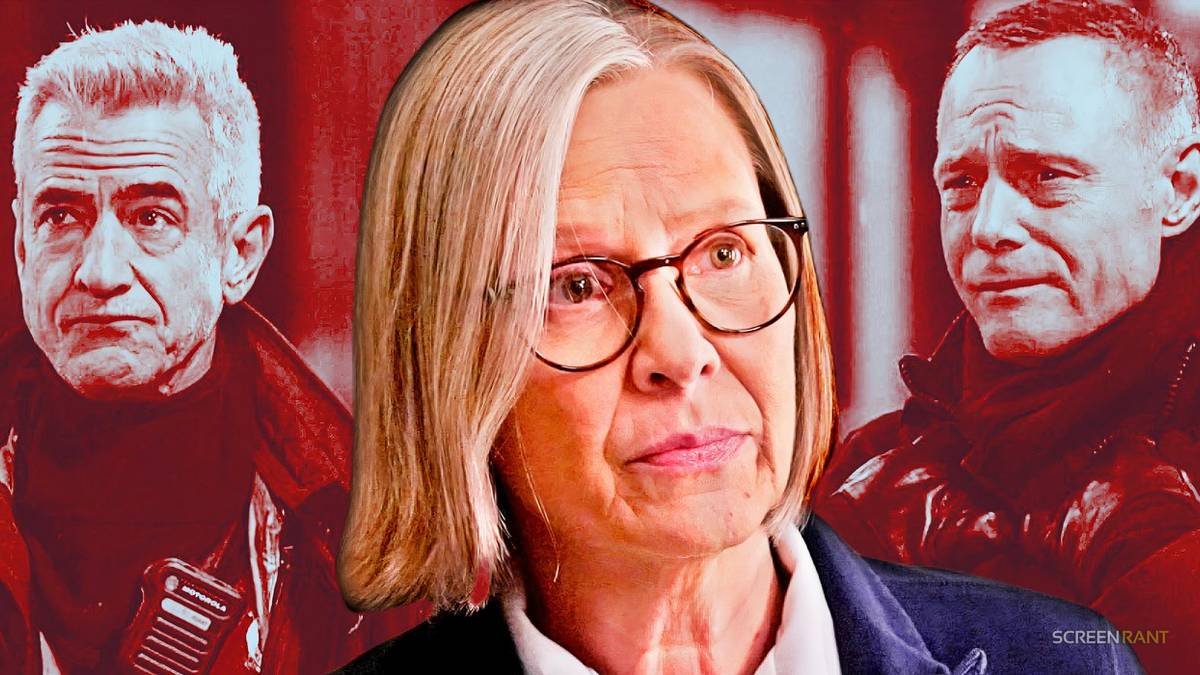
The highly anticipated 2026 One Chicago crossover event is poised to break tradition, fundamentally altering the successful formula that has defined its interconnected narratives for years. This strategic pivot marks the first significant departure from the established crossover model since the franchise's inception, raising questions about the future direction of Dick Wolf's beloved Windy City universe. Following a notable hiatus, the signature three-way specials made a triumphant return in 2025, effectively resetting the universe, integrating new characters, and addressing various departures, all while showcasing Chicago's first responders heroically safeguarding the city. The upcoming change suggests a deliberate evolution in storytelling, potentially redefining how the distinct yet intertwined worlds of 'Chicago Fire,' 'Chicago P.D.,' and 'Chicago Med' will interact on screen.
The Enduring Legacy of One Chicago Crossovers
Since its debut with 'Chicago Fire' in 2012, the One Chicago franchise has cultivated a unique television landscape, meticulously crafted by executive producer Dick Wolf. The universe quickly expanded to include 'Chicago P.D.' and 'Chicago Med,' with 'Chicago Justice' briefly joining the fold. A cornerstone of this interconnected vision has always been the elaborate crossover events, which traditionally weave a single, overarching crisis through the storylines of all participating shows. These events typically involve a major city-wide catastrophe – be it a biological threat, a complex criminal conspiracy, or a large-scale disaster – requiring the combined expertise of firefighters, police officers, and medical professionals. This synchronized approach not only maximizes dramatic impact but also powerfully reinforces the narrative of a unified front against adversity, showcasing the collaborative spirit of Chicago's emergency services.
The 'winning formula' historically refers to this tightly integrated, multi-part narrative structure where characters seamlessly transition between episodes of different series. A prime example would see a fire on 'Chicago Fire' lead to a criminal investigation on 'Chicago P.D.,' with victims being treated on 'Chicago Med.' This method provided compelling drama, deepened character relationships across the shows, and effectively demonstrated the expansive scope of the shared universe. For viewers, these events were often the highlight of the season, offering a grander scale of storytelling and the satisfaction of seeing their favorite characters from different series interact directly and meaningfully within a unified plot.
The 2025 Resurgence: A Return to Form
After a period without the signature three-way crossovers, which left many fans yearning for their return, the franchise resurrected its beloved special events in 2025. This comeback was met with significant anticipation, as viewers were eager to see how the universe would re-establish its interconnections following various character changes and plot developments across the individual series. The 2025 crossover successfully adhered to the tried-and-true formula, presenting a crisis that organically spanned all three shows and allowed for a significant narrative reset. It provided a crucial opportunity to integrate newer characters into the broader fabric of the One Chicago world while addressing the lingering impacts of previous character departures, ensuring that the universe felt cohesive and refreshed.
The previous year's event served as a powerful reminder of the franchise's core appeal: the intricate web of relationships and shared challenges faced by the emergency services in a bustling metropolis. By re-engaging with the classic formula, the 2025 crossover not only delivered high-stakes entertainment but also solidified the foundational elements of the One Chicago universe, proving that its original approach still resonated deeply with its dedicated audience. This success makes the announced shift for 2026 all the more intriguing, suggesting that the decision to alter the formula is not a result of previous failure but rather a deliberate creative choice in the face of demonstrated success.
Unpacking the 2026 Shift: A New Era?
The impending alteration to the One Chicago crossover formula for 2026 represents a significant departure from what audiences have come to expect. While the exact details of this new approach remain under wraps, potential changes could include a shift from a multi-part, full-franchise event to more frequent, smaller-scale interactions between two shows, or even standalone episodes with shared character cameos rather than a single unifying plot. This could mean a move away from city-wide emergencies to more personal or localized threats that still require inter-departmental cooperation but don't necessitate a sprawling, three-episode arc. Such a change might allow for greater focus on individual character development within each show while still acknowledging the shared universe.
Several factors might contribute to this strategic evolution. Creative teams may be seeking fresh narrative avenues to avoid formulaic repetition, exploring new ways to surprise and engage audiences after years of consistent storytelling. Logistical complexities inherent in coordinating production schedules, scripts, and character availability across three major network television shows also present an ongoing challenge; a simpler crossover model might alleviate some of these burdens. Furthermore, a new approach could be designed to better serve individual character arcs that might otherwise be overshadowed by the demands of a large-scale event, or to introduce more nuanced connections between the series rather than always relying on a singular, massive threat. It signifies a willingness to experiment and potentially redefine the very definition of a 'crossover' within this established universe.
Potential Impact on Storytelling and Viewer Experience
The implications of this formulaic shift are far-reaching for both the narrative integrity of the One Chicago universe and the viewing experience. A less integrated crossover might allow each show to maintain a more distinct identity and focus on its core ensemble, preventing the dilution of individual storylines. However, it also runs the risk of diminishing the powerful sense of a truly shared universe, which has been a major draw for fans. Viewers accustomed to grand, epic events might find smaller-scale crossovers less impactful, while others might appreciate the opportunity for deeper dives into specific characters or departmental challenges. The success of this new direction will largely depend on the creativity with which the writers manage to maintain the feeling of interconnectedness without relying on the traditional, expansive crisis narrative.
Dick Wolf's Broader Franchise Vision
Dick Wolf has masterfully constructed multiple successful interconnected universes, most notably with the 'Law & Order' and 'FBI' franchises alongside One Chicago. His strategy has consistently centered on creating compelling, procedurally driven narratives that resonate with a broad audience, often leveraging real-world themes and moral dilemmas. The decision to alter the One Chicago crossover formula for 2026 aligns with a broader industry trend of evolving franchise management. In an increasingly competitive television landscape, even the most successful franchises must innovate to maintain viewer engagement and creative vitality. This move could be interpreted as a strategic effort to ensure the long-term sustainability and freshness of the One Chicago brand, signaling a dynamic approach to keeping its narratives compelling and relevant for years to come. It reflects a producer's understanding that even a winning formula benefits from strategic updates to prevent stagnation.
Looking Ahead: The Evolving Future of One Chicago
As the One Chicago franchise prepares for this unprecedented shift in its crossover strategy, all eyes will be on how the 2026 event unfolds. This change could pave the way for a more diverse range of cross-series interactions, potentially introducing more frequent, albeit less grandiose, instances of collaboration between the Firehouse 51 crew, Intelligence Unit, and Gaffney Chicago Medical Center staff. Such an approach might foster a richer tapestry of interwoven narratives, allowing for nuanced character development and plot progression that transcends the limitations of a single, massive annual event. Ultimately, the success of this new direction will underscore the franchise's adaptability and its commitment to delivering fresh, engaging content while honoring the fundamental spirit of its interconnected universe.
The 2026 crossover promises to be a pivotal moment for the One Chicago universe, marking a conscious evolution in its acclaimed storytelling approach. As details emerge regarding this new formula, fans and critics alike will be keenly observing its impact on the beloved characters and intricate narratives that define these shows. Stay informed on all the latest developments, exclusive insights, and in-depth analyses of your favorite series by continuing to explore the comprehensive coverage available on NAME OF SITE.
Fonte: https://screenrant.com