The allure of 1980s nostalgia has proven to be a remarkably consistent recipe for success across various media landscapes. From the global phenomenon of Netflix’s *Stranger Things*, which masterfully recreates the decade's unique aesthetic and cultural touchstones, to enduring blockbuster film franchises like *Transformers*, leveraging what audiences cherished from the '80s has consistently resonated with modern viewers. This trend underscores a broader cultural appetite for familiar narratives and beloved characters reimagined for contemporary consumption. However, not every attempt to tap into this wellspring of collective memory yields the desired outcome, as evidenced by the recent trajectory of the G.I. Joe franchise.
The Enduring Legacy of G.I. Joe
Before delving into the specifics of its recent cinematic missteps, it is crucial to understand the profound cultural footprint of G.I. Joe. Originating in 1964 as a line of action figures from Hasbro, G.I. Joe evolved significantly throughout the 1980s with the introduction of *G.I. Joe: A Real American Hero*. This iteration transformed the 12-inch military doll into a 3.75-inch articulated action figure, complemented by an expansive universe of comic books from Marvel Comics and a wildly popular animated television series. The franchise introduced a diverse cast of characters—heroes and villains alike—each with distinct personalities, specialized skills, and intricate backstories. Characters like Duke, Scarlett, Destro, Cobra Commander, and especially the enigmatic ninja Snake Eyes, became household names, embodying themes of heroism, espionage, and the eternal struggle between good and evil. This rich narrative tapestry and character development fostered a deeply loyal fanbase, cementing G.I. Joe's status as an iconic piece of 20th-century pop culture. Its inherent blend of military action, sci-fi elements, and global adventure positioned it as a prime candidate for cinematic adaptation, promising to captivate both original fans and new generations.
Previous Cinematic Attempts and the Promise of Snake Eyes
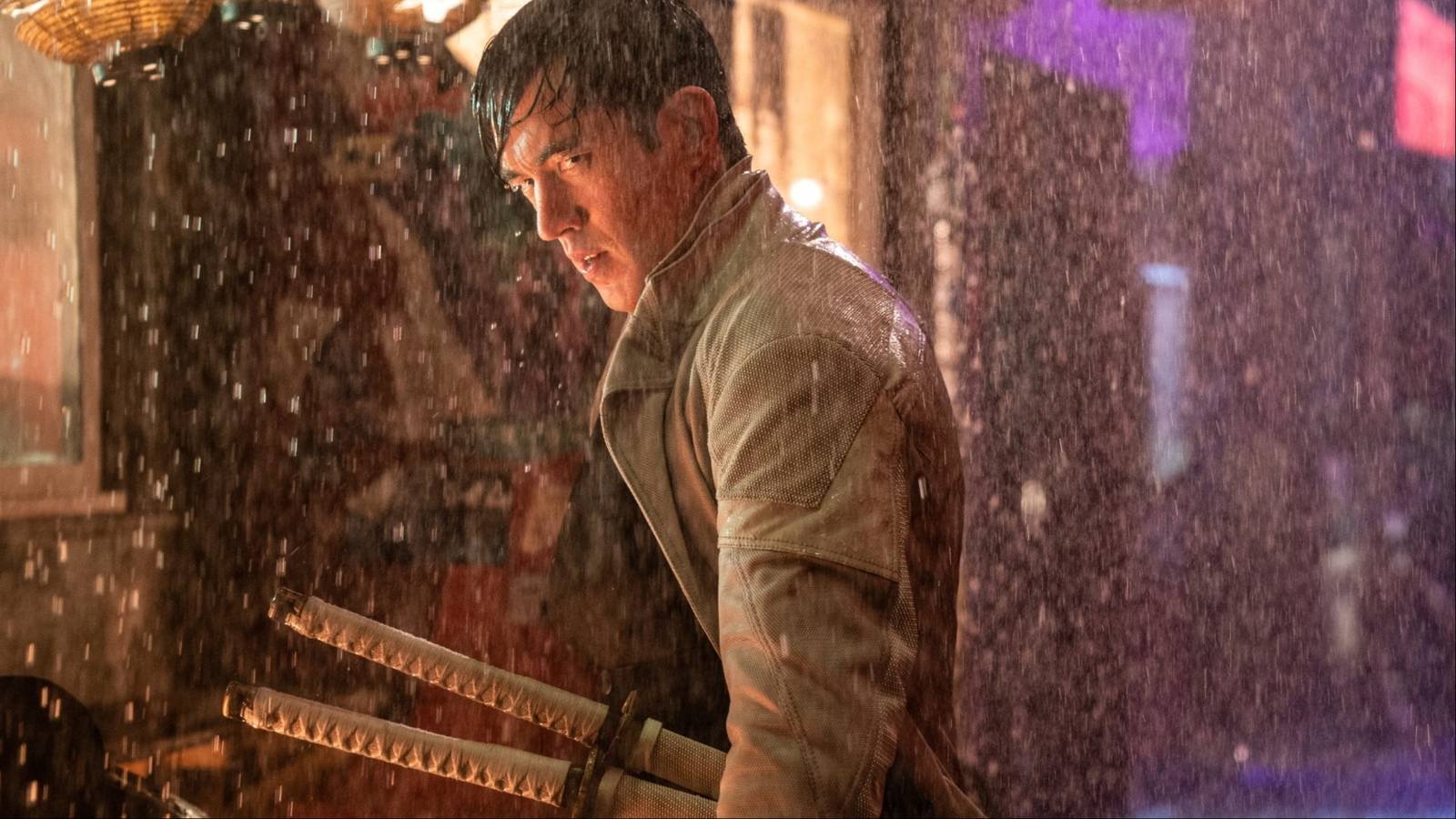
Hollywood's initial forays into the G.I. Joe universe in the 21st century yielded mixed results. *G.I. Joe: The Rise of Cobra* (2009) and *G.I. Joe: Retaliation* (2013) achieved moderate box office success but struggled to win over critics and often fell short of fan expectations, largely due to deviations from core lore and a perceived lack of depth. Despite these challenges, the enduring popularity of characters like Snake Eyes, known for his silent demeanor, masked face, and unparalleled ninja skills, provided an opportunity for a fresh start. *Snake Eyes: G.I. Joe Origins*, released in 2021, was envisioned not as a direct sequel but as a soft reboot and origin story, aiming to re-energize the franchise by focusing on one of its most compelling figures. The film promised to explore Snake Eyes’ mysterious past, his journey to becoming a ninja warrior, and the complex relationship with his rival-turned-brother Storm Shadow. With Henry Golding cast in the titular role, the intention was to provide a character-driven narrative that could serve as a foundation for a new cinematic universe, potentially rectifying past mistakes and finally delivering a G.I. Joe film that resonated deeply with audiences.
Dissecting the Factors Behind Its Failure
Departure from Established Lore
Perhaps the most significant misstep of *Snake Eyes: G.I. Joe Origins* was its radical departure from the character's established mythology. Fans have always known Snake Eyes as a mysterious, mute, and masked commando, whose past is largely shrouded in enigma. The film, however, chose to reveal his origin, give him a voice for much of the movie, and provide a detailed, almost conventional, backstory that stripped away much of his iconic mystique. This decision, seemingly made to offer a more relatable protagonist, inadvertently alienated the core fanbase. The essence of Snake Eyes lies in his silence and the compelling ambiguity of his motivations. By deconstructing these fundamental aspects, the film undermined the very elements that made him a legendary figure, leaving many fans feeling that the character they knew and loved was largely absent from his own origin story.
Lack of Core G.I. Joe Elements
While focusing on an origin story, *Snake Eyes* conspicuously omitted many of the core elements that define the broader G.I. Joe universe. The film largely eschewed the team dynamic, the advanced military technology, and the global stakes that are hallmarks of the franchise. Instead, it centered on a more grounded, almost martial arts-driven narrative set primarily in Japan, with the G.I. Joe organization and Cobra playing peripheral roles until the very end. This narrow scope failed to deliver the expansive, action-packed spectacle that fans associate with G.I. Joe, diminishing its appeal as a true franchise entry. The absence of familiar faces, high-tech gadgets, and the clear conflict between G.I. Joe and Cobra left a void, resulting in a film that felt less like a G.I. Joe movie and more like a generic martial arts action flick that simply happened to feature a character named Snake Eyes.
Critical and Commercial Disappointment
The critical reception for *Snake Eyes* was overwhelmingly negative. Reviewers cited a convoluted plot, uninspired action sequences, and a failure to capture the spirit of the source material. On Rotten Tomatoes, the film holds a low approval rating, indicating a consensus of critical disapproval. Commercially, the film was a significant box office flop, grossing just over $40 million worldwide against a production budget of $88 million (excluding marketing costs). Its release in July 2021, while still impacted by the lingering effects of the global pandemic on cinema attendance, cannot solely account for its poor performance, especially when other films released around the same time managed to find an audience. The financial failure clearly signaled a lack of audience enthusiasm, casting a long shadow over the future of the G.I. Joe cinematic aspirations.
The Broader Impact on the G.I. Joe Franchise
The failure of *Snake Eyes: G.I. Joe Origins* has undoubtedly put the brakes on Paramount Pictures and Hasbro's plans for a revitalized cinematic universe. While there were initial talks of sequels and spin-offs, the dismal box office results and critical reception have likely forced a complete re-evaluation. This setback highlights the inherent difficulties in adapting beloved intellectual properties for modern audiences, especially when attempting to drastically alter foundational elements. It underscores the delicate balance between innovation and fidelity to source material, demonstrating that sometimes, fan loyalty is contingent on preserving the core identity of characters and narratives. The franchise may now need to explore alternative avenues for revival, perhaps returning to its animated roots or focusing on streaming series that allow for more intricate storytelling and character development, potentially even leveraging fan feedback more directly in future iterations. The path forward for G.I. Joe in live-action cinema remains uncertain and will likely require a significant rethinking of its strategic approach, emphasizing authenticity and a deeper understanding of what made the brand iconic in the first place.
Lessons for Nostalgia-Driven Reboots
The case of *Snake Eyes* serves as a poignant reminder for studios venturing into nostalgia-driven reboots: fan engagement is paramount, and familiarity, when handled correctly, can be a powerful asset. While creative interpretation is essential for freshness, it must not come at the cost of alienating the dedicated fanbase that forms the foundation of a franchise’s enduring appeal. Successful reboots like *Top Gun: Maverick* or even certain iterations of *Star Wars* have shown that a respectful embrace of existing lore, coupled with compelling new narratives and character arcs, is a potent formula. Audiences crave both innovation and reverence for the properties they grew up with. Ignoring or fundamentally altering the iconic traits of beloved characters can be a fatal flaw, leading to both critical backlash and commercial disappointment. The balance between catering to existing fans and attracting new ones remains a constant challenge, but one that must be navigated with extreme care and a deep understanding of the property's legacy.
The journey of G.I. Joe from a 1980s phenomenon to a struggling modern franchise offers valuable insights into the complex dynamics of adapting beloved IPs. While the allure of '80s nostalgia continues to captivate audiences, the missteps of *Snake Eyes* demonstrate that success is not guaranteed without a profound respect for source material and a keen understanding of fan expectations. The future of G.I. Joe's cinematic presence is now at a crossroads, demanding careful consideration and a potentially radical shift in strategy to regain its footing. For more in-depth analyses of film franchises, entertainment industry trends, and the future of nostalgic IPs, continue exploring NAME OF SITE's comprehensive articles and expert insights.
Fonte: https://screenrant.com