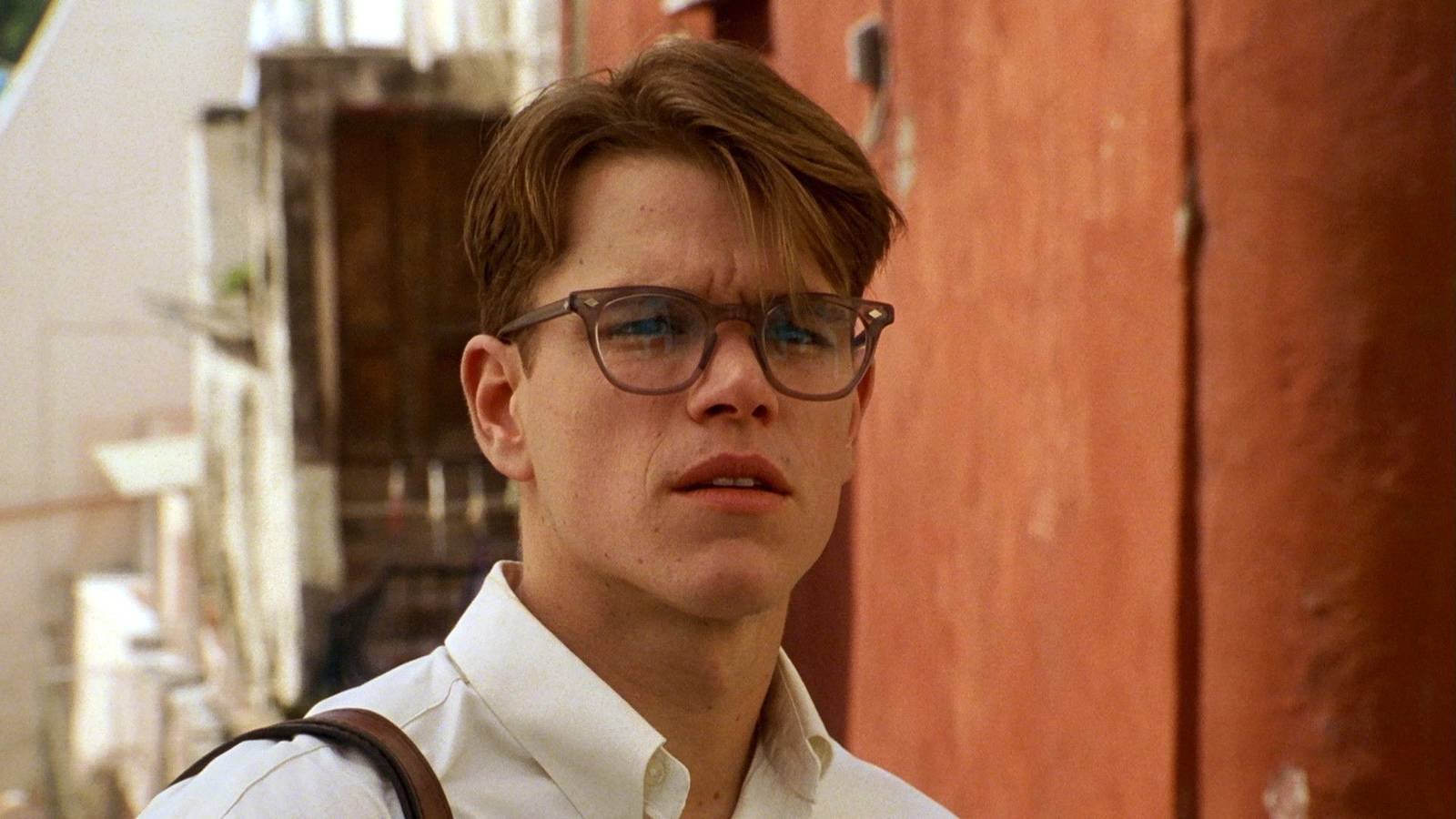
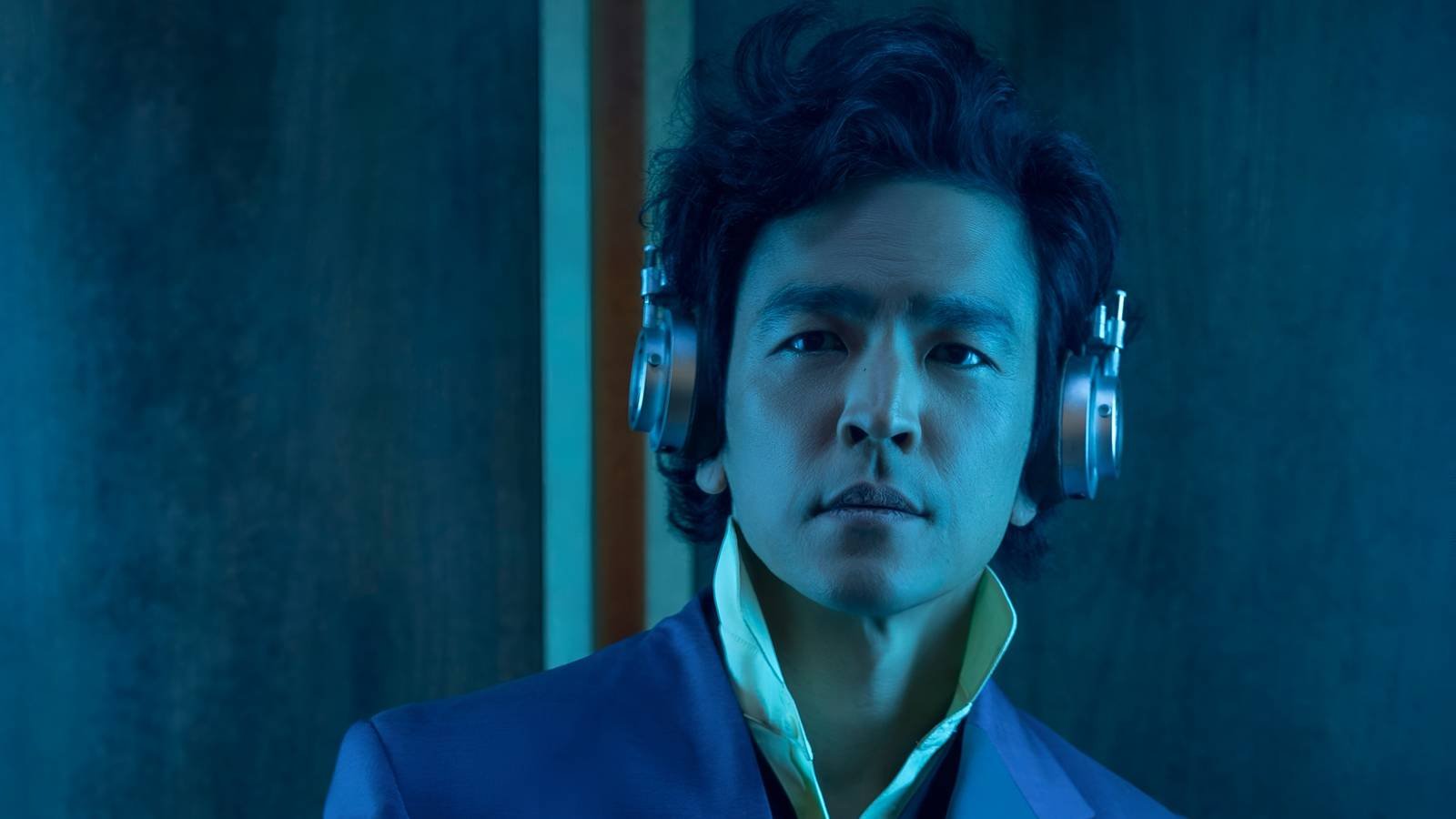
Netflix continues its ambitious quest to adapt beloved anime series into live-action productions, a strategy that has yielded mixed results. Following the high-profile misstep of its "Cowboy Bebop" live-action, the streaming giant now sets its sights on "Samurai Champloo," a critically acclaimed and fan-favorite series known for its unique blend of historical samurai lore and modern hip-hop culture. This upcoming adaptation presents not only a significant challenge but also a crucial opportunity for Netflix to demonstrate its capacity to faithfully translate complex animated narratives while capturing the essence that resonated with millions globally. The success or failure of "Samurai Champloo" could profoundly influence the future trajectory of anime live-actions within the industry, especially for a platform that has invested heavily in this niche.
The Cautionary Tale of Cowboy Bebop's Live-Action Adaptation
The announcement of a live-action "Cowboy Bebop" series by Netflix was met with immense anticipation, as the original anime is revered as a masterpiece of the genre, celebrated for its nuanced characters, stylish animation, profound philosophical themes, and iconic jazz soundtrack. Fans eagerly awaited a rendition that would honor its legacy. However, upon its release, the series garnered widespread criticism from both critics and the dedicated fanbase, leading to its swift cancellation after just one season. This outcome served as a stark reminder of the inherent difficulties in translating highly stylized and culturally specific animated works into a live-action format, often requiring a delicate balance between homage and innovation.
Disconnect from the Source Material and Creative Misinterpretations
One of the primary criticisms leveled against Netflix's "Cowboy Bebop" was its perceived departure from the core spirit and characterizations of the original anime. While live-action adaptations often necessitate certain creative liberties, many viewers felt that the changes made to plotlines, character backstories, and overall tone fundamentally altered what made "Cowboy Bebop" special. The intricate balance between dark introspection and comedic relief, a hallmark of the anime, seemed to be lost, replaced by an interpretation that felt more generic to some. Furthermore, attempts to expand on established lore sometimes diluted the original narrative's focused ambiguity, leading to a sense of disconnect rather than deeper engagement. The challenge lies not just in replicating visuals, but in understanding and preserving the narrative and thematic soul of the source.
Production Challenges, Fan Expectations, and Critical Reception
Beyond creative choices, the production faced numerous hurdles, including a significant on-set injury to lead actor John Cho, which delayed filming. High production values were evident, yet they couldn't overcome the deeply entrenched expectations of a global fanbase. Anime adaptations carry a unique burden of expectation, as the source material often has a long history and a fiercely loyal following. The live-action series struggled to capture the anime's fluid action sequences, its distinct visual flair, and its emotional depth, often feeling like a surface-level imitation rather than a genuine reimagining. This failure to meet critical and fan expectations ultimately underscored the need for a more thoughtful and respectful approach to such ambitious projects.
The Acclaimed Legacy of Samurai Champloo
"Samurai Champloo," created by the visionary Shinichirō Watanabe (also behind "Cowboy Bebop"), is lauded for its groundbreaking fusion of Edo-period Japan with contemporary hip-hop culture. First airing in 2004, the series quickly gained a dedicated following for its unique aesthetic, dynamic action sequences, compelling characters, and an unforgettable soundtrack crafted by artists like Nujabes and Fat Jon. It tells the story of Fuu, a young woman seeking a mysterious samurai who smells of sunflowers, and the two contrasting swordsmen, Mugen and Jin, who begrudgingly become her bodyguards. Their journey is a blend of episodic adventures and an overarching quest, infused with anachronistic elements that create a distinct and vibrant world.
A Fusion of Style, Substance, and Unforgettable Characters
What makes "Samurai Champloo" stand out is its masterful ability to blend disparate elements into a cohesive and engaging whole. The anachronistic hip-hop influences are not merely cosmetic; they inform the characters' personalities, the rhythm of the dialogue, and the innovative fight choreography. Mugen, the wild and unconventional ronin, embodies a breakdancing, freestyle fighting style, while Jin, the stoic and traditional samurai, represents refined, classic swordplay. Fuu acts as the grounded, yet determined, catalyst for their unlikely partnership. The series explores themes of freedom, identity, destiny, and the clash between tradition and modernity, all delivered with a distinct sense of humor and an underlying melancholy that resonates deeply with viewers.
Narrative Structure and Inherent Adaptability
Unlike the more serialized and complex narrative of "Cowboy Bebop," "Samurai Champloo" operates with a largely episodic structure, where Mugen, Jin, and Fuu encounter various characters and challenges on their journey, with the "finding the samurai who smells of sunflowers" quest serving as a loose thread. This episodic nature might actually lend itself better to a live-action adaptation, offering more flexibility for creative teams to develop compelling standalone stories while still progressing the main arc. The core appeal lies in the chemistry of the trio and the unique world they inhabit, which could be translated effectively if the creative vision prioritizes capturing this dynamic and aesthetic rather than a rigid, scene-for-scene recreation.
Navigating the Path to Success for Samurai Champloo
For Netflix's "Samurai Champloo" live-action to succeed where "Cowboy Bebop" faltered, it must critically analyze the previous adaptation's shortcomings and identify the unique strengths of its new source material. The production team must strike a delicate balance between honoring the original anime's distinctive qualities and allowing the live-action format to forge its own identity. This involves more than just a superficial understanding of the anime; it requires a deep appreciation for its artistic intent, cultural significance, and the emotional connection it fostered with its audience. A successful adaptation will feel like a natural extension of the original, not a diluted imitation.
Key Elements for a Faithful and Engaging Adaptation
To truly capture the essence of "Samurai Champloo," several elements are crucial. First, the casting must embody the distinctive personalities of Mugen, Jin, and Fuu, capturing their unique banter and evolving relationships. Second, the fight choreography needs to blend traditional samurai swordplay with dynamic, hip-hop inspired movements, reflecting the anime's innovative action sequences. Third, the musical score is paramount; the iconic hip-hop beats and atmospheric tunes of the original are integral to its identity, and a live-action version must find a way to pay homage to this while creating something new. Finally, the visual aesthetic—the fusion of historical Japan with graffiti and modern stylings—must be meticulously crafted to translate the anime's unparalleled visual language to live-action without losing its charm.
Creative Vision, Fan Engagement, and Strategic Execution
A strong, unified creative vision is indispensable. The showrunners and writers must demonstrate a profound understanding of "Samurai Champloo's" soul, its humor, its melancholy, and its underlying themes. Engaging or consulting with original creator Shinichirō Watanabe could provide invaluable insight and lend authenticity to the project, fostering trust among the fanbase. Transparency and early communication with the community regarding the creative direction can also mitigate potential backlash. Ultimately, success hinges on a commitment to storytelling that respects the source while confidently asserting its own identity within the live-action medium, proving that an anime's magic can indeed be rekindled.
The Broader Landscape of Anime Live-Actions: High Stakes and Evolving Strategies
Netflix's foray into anime live-actions is part of a larger industry trend, with various studios attempting to capitalize on the global popularity of Japanese animation. Historically, live-action anime adaptations have faced an uphill battle, often failing to satisfy the ardent fanbase and sometimes alienating newcomers. For every "Rurouni Kenshin" film series, which achieved critical and commercial success, there are numerous other adaptations that have fallen short. The stakes are particularly high for Netflix, as successful adaptations like "One Piece" can become global phenomena, driving subscriptions and cementing its reputation as a home for diverse content, while failures like "Cowboy Bebop" can erode trust and generate negative publicity.
The Evolving Art of Adaptation and Audience Expectations
The challenge for any anime live-action lies in navigating the inherent differences between animation and live-action. Animation offers limitless possibilities for visual expression, exaggerated emotions, and fantastical physics that are difficult, if not impossible, to replicate realistically without appearing campy or cheap. Modern adaptation strategies are moving away from direct replication, instead focusing on capturing the spirit and core narrative while allowing for creative reinterpretation that makes sense within the live-action medium. Audiences are becoming more discerning, demanding not just fidelity to plot points, but a deep respect for the narrative's themes, characters' emotional arcs, and the unique artistic vision of the original work. The success of "Samurai Champloo" will be a litmus test for whether Netflix has truly absorbed these crucial lessons.
As Netflix prepares to unveil its "Samurai Champloo" live-action, the shadow of "Cowboy Bebop's" mixed reception looms large, yet also serves as a critical blueprint of what to avoid. The unique blend of historical authenticity and vibrant hip-hop culture that defines "Samurai Champloo" offers a distinct challenge and an unparalleled opportunity for a captivating adaptation. By prioritizing artistic integrity, understanding the source material's soul, and delivering on its distinctive style and character dynamics, Netflix could not only redeem its past missteps but also set a new benchmark for anime live-actions. Will this journey be a harmonious blend of old and new, or another discordant note? Only time will tell. For more in-depth analyses of anime adaptations, industry news, and cultural commentary, we invite you to explore our platform and delve deeper into the world of entertainment.
Fonte: https://screenrant.com