
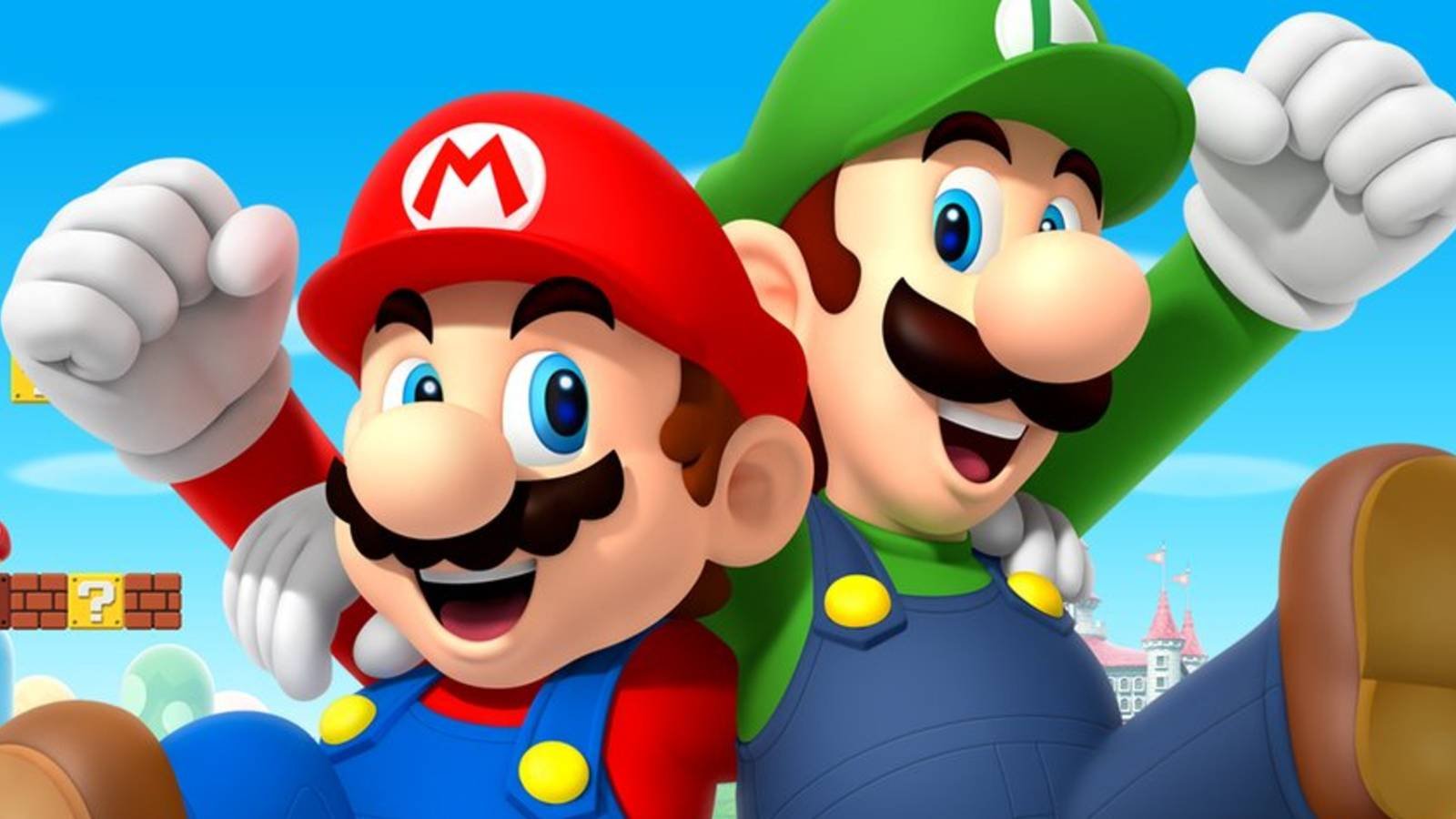
For decades, Nintendo has stood as an undeniable titan in the video game industry, consistently shaping its trajectory with groundbreaking innovations and unforgettable experiences. Whether you are a dedicated enthusiast or a casual observer, the profound impact of Nintendo’s most iconic franchises on gaming, and indeed global popular culture, is impossible to overstate. From the rudimentary stages of video game technology to the sophisticated interactive entertainment systems of today, Nintendo has consistently left an indelible mark, fundamentally altering perceptions of what games could be and how they could be played.
A Legacy Forged in Innovation and Influence
Nintendo's journey began long before home consoles, with its roots tracing back to hanafuda playing cards in 1889. However, it was their foray into arcade games and, eventually, home entertainment systems that solidified their global presence. The company consistently challenged conventional wisdom, often prioritizing novel gameplay mechanics and accessibility over raw graphical power. This philosophy led to the creation of entire genres, the revival of a collapsing industry, and the introduction of gaming to demographics previously untouched by interactive entertainment. Their commitment to fun, intuitive design, and robust intellectual properties has ensured their enduring relevance in an ever-evolving digital landscape.
Defining Gaming's Greatest Milestones
Identifying the 'most important' games involves a multifaceted evaluation beyond mere commercial success or critical acclaim. Our selection criteria prioritize titles that introduced significant technological advancements, fundamentally redefined or established new genres, exerted immense cultural influence, achieved widespread mainstream adoption, and demonstrated long-term impact on game design and player expectations. These are the games that didn't just entertain; they innovated, inspired, and often set the benchmark for future generations of developers. Each entry represents a pivotal moment in Nintendo's history and, by extension, the broader history of video games.
The Iconic Games That Shaped an Industry
1. Donkey Kong (1981)
Emerging from the arcade golden age, <b>Donkey Kong</b> was a monumental achievement for Nintendo and a foundational title for the entire industry. It introduced two of gaming's most recognizable characters: Jumpman, who would soon become Mario, and the titular ape, Donkey Kong. The game pioneered narrative storytelling in platformers, presenting a clear goal of rescuing the damsel Pauline from Donkey Kong. Its innovative level design, featuring ladders, moving platforms, and obstacles to dodge, laid crucial groundwork for the platforming genre that would dominate the next decade. This arcade success not only saved Nintendo from financial peril in the U.S. but also marked Shigeru Miyamoto’s debut as a game designer, setting the stage for future masterpieces.
2. Super Mario Bros. (1985)
More than just a game, <b>Super Mario Bros.</b> for the Nintendo Entertainment System (NES) was a cultural phenomenon that single-handedly revitalized the video game industry following the crash of 1983. Its precise controls, vibrant world design, and revolutionary side-scrolling mechanics set the standard for platformers. Players navigated the Mushroom Kingdom, collecting power-ups like the Super Mushroom and Fire Flower, to defeat Bowser and rescue Princess Peach. The game's intricate level design, hidden secrets, and non-linear paths within levels offered unparalleled depth for its time, proving that video games could be sophisticated, engaging experiences rather than fleeting novelties. Its commercial success was unprecedented, solidifying Mario as gaming’s most iconic character.
3. The Legend of Zelda (1986)
Released shortly after Super Mario Bros., <b>The Legend of Zelda</b> transported players to the sprawling fantasy land of Hyrule, introducing an innovative action-adventure formula. This NES title provided a sense of unprecedented freedom, allowing players to explore an expansive overworld, delve into treacherous dungeons, and discover hidden items in almost any order. Its implementation of a battery-backed save system was revolutionary, enabling longer, more involved play sessions than previously possible. The game blended combat, puzzle-solving, and exploration seamlessly, establishing many conventions for the action-adventure genre, including a recurring hero, a magical sword, and a princess to rescue, all while encouraging player agency and discovery.
4. Metroid (1986)
<b>Metroid</b>, also released on the NES, broke new ground with its atmospheric sci-fi setting and non-linear exploration. Players controlled Samus Aran, an armored bounty hunter navigating the alien planet Zebes, gradually unlocking new abilities to access previously unreachable areas. This emphasis on exploration, backtracking, and ability-gated progression became a cornerstone of what is now known as the 'Metroidvania' genre. The game's lonely atmosphere, powerful soundtrack, and the groundbreaking reveal of Samus as a female protagonist in the finale defied genre stereotypes and broadened perceptions of who could be a hero in video games. Its intricate map design and sense of isolation created a unique, compelling experience.
5. Super Mario World (1990)
A launch title for the Super Nintendo Entertainment System (SNES), <b>Super Mario World</b> pushed the boundaries of 2D platforming to new heights. Leveraging the SNES's enhanced graphics and sound capabilities, the game introduced a vibrant, interconnected world map with numerous secret exits and branching paths, encouraging exploration and replayability. The debut of Yoshi, Mario’s dinosaur companion, added an entirely new layer of gameplay mechanics, from eating enemies to flying with specific shells. With its impeccable level design, inventive power-ups, and a massive number of levels, Super Mario World is often cited as the pinnacle of 2D platformers and a testament to Nintendo's mastery of the genre.
6. The Legend of Zelda: Ocarina of Time (1998)
Heralded by many as one of the greatest video games ever created, <b>The Legend of Zelda: Ocarina of Time</b> for the Nintendo 64 masterfully transitioned the beloved series into a fully 3D environment. Its revolutionary 'Z-targeting' system allowed players to lock onto enemies, making 3D combat manageable and precise. The game pioneered context-sensitive actions, a seamless day-night cycle, and complex, multi-layered dungeons that set new standards for adventure game design. Its emotionally resonant story, time-travel mechanics, and the sheer scope of its world captivated players, influencing countless 3D action-adventure titles that followed and demonstrating the immense potential of 3D gaming.
7. Pokémon Red and Blue (1996/1998)
<b>Pokémon Red and Blue</b> for the Game Boy launched a global phenomenon that transcended video games. The core loop of 'catch 'em all,' training, battling, and trading Pokémon resonated deeply with players, fostering a sense of collection and social interaction. Its innovative use of the Game Boy's Link Cable for multiplayer battles and trading created a unique social experience, turning a handheld game into a widespread community event. The series' accessible RPG mechanics, combined with its charming creature designs, appealed to a vast audience, becoming a multimedia juggernaut that redefined the potential for cross-platform entertainment and remains incredibly popular today.
8. Super Smash Bros. Melee (2001)
While the original <b>Super Smash Bros.</b> on the N64 introduced the concept, <b>Super Smash Bros. Melee</b> for the GameCube elevated the crossover fighting genre to an art form and a competitive sport. Featuring an expanded roster of Nintendo characters, a faster pace, and deeper mechanics, Melee quickly garnered a dedicated fanbase. Its unique approach to fighting, focused on knocking opponents off the stage rather than depleting health bars, offered a fresh alternative to traditional fighters. The game's intricate techniques, frame-perfect inputs, and robust competitive scene, which continues to thrive decades after its release, cemented its legacy as a landmark title in both casual and professional gaming.
9. Wii Sports (2006)
Bundled with the revolutionary Wii console in most regions, <b>Wii Sports</b> was a revelation that brought gaming into living rooms worldwide. By leveraging the Wii Remote's intuitive motion controls, it made interactive entertainment accessible to everyone, from young children to grandparents. The simple yet engaging mechanics of bowling, tennis, baseball, boxing, and golf broke down barriers for non-gamers, demonstrating that video games could be a social, physically active, and universally enjoyable pastime. Wii Sports was instrumental in the Wii's immense success, expanding the definition of who a 'gamer' could be and inspiring an entirely new generation of motion-controlled experiences.
10. The Legend of Zelda: Breath of the Wild (2017)
A launch title for the Nintendo Switch, <b>The Legend of Zelda: Breath of the Wild</b> reimagined the open-world genre and revitalized the Zelda series for a modern era. It offered an unparalleled sense of freedom, allowing players to explore its vast, physics-driven world in virtually any way they chose. The game's emphasis on environmental puzzle-solving, emergent gameplay, and player experimentation set new standards for interactive design. Its critical acclaim, widespread influence on subsequent open-world titles, and role in the Nintendo Switch's explosive success underscore its profound importance, proving that even established franchises can be reinvented to deliver fresh, innovative experiences.
Nintendo's Enduring Blueprint for Play
These ten titles represent just a fraction of Nintendo’s prolific output, yet they stand as monumental pillars defining pivotal moments in gaming history. Each game, in its unique way, pushed technological boundaries, honed gameplay mechanics, or profoundly altered cultural perceptions of what video games could achieve. From the early arcade days to modern open-world epics, Nintendo has consistently demonstrated a commitment to innovation, creativity, and the joy of play, solidifying its position as an unparalleled force in the entertainment world.
The impact of these games extends far beyond their initial release, continuing to inspire developers and captivate players globally. To delve deeper into the rich history of video games, explore the latest industry news, and discover more groundbreaking titles, be sure to continue browsing NAME OF SITE. We offer an extensive library of articles, reviews, and analyses designed to enhance your understanding and appreciation of this dynamic medium.
Fonte: https://screenrant.com