For nearly two decades, the Super Bowl has been an unofficial holiday for fans of the Marvel Cinematic Universe. Year after year, viewers eagerly anticipated the commercial breaks during the National Football League's championship game, knowing that Marvel Studios almost invariably debuted groundbreaking teasers, full trailers, or pivotal announcements for its upcoming slate. This consistent tradition built immense hype, capitalizing on the game's unparalleled viewership to reach a vast, diverse audience. However, the recent Super Bowl LVIII marked a significant departure from this long-standing practice, with Marvel conspicuously absent from the advertising lineup. This unexpected silence has prompted widespread discussion and, for many, a growing sense that the decision to skip the event now appears to be a more problematic move than initially perceived.
A Legacy of Super Bowl Spectacle: Marvel's Marketing Prowess
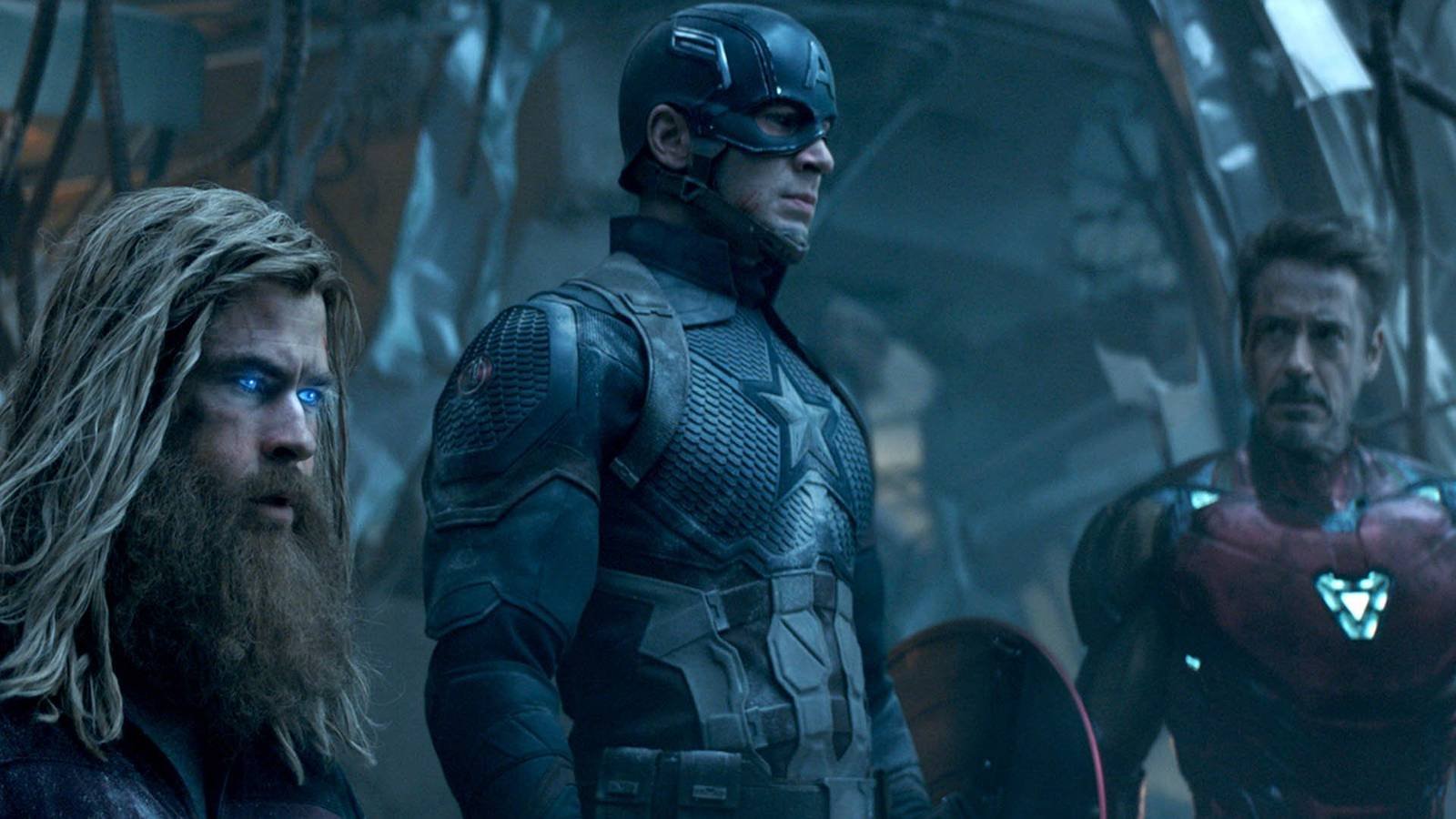
Marvel Studios forged a formidable reputation for its strategic use of the Super Bowl as a premier marketing platform. Beginning in 2008 with the groundbreaking teaser for *Iron Man*, which launched the entire MCU, the studio meticulously cultivated a tradition of big reveals. Over 16 consecutive years, Super Bowl viewers were among the first to witness pivotal moments: the first full trailer for *The Avengers* in 2012, hinting at the unprecedented superhero team-up; the reveal of new characters in *Captain America: Civil War*; and the emotionally charged previews for box office juggernauts like *Black Panther* and *Avengers: Endgame*. These moments were not merely commercials; they were cultural events, driving immediate social media trends and generating water cooler conversations that extended far beyond the game itself.
The Super Bowl's unique ability to gather over 100 million viewers, spanning various demographics, made it an invaluable asset for Marvel's carefully orchestrated rollout of its cinematic universe. Each commercial spot was a calculated investment, designed to not only advertise a single film but also reinforce the interconnected narrative of the MCU, keeping the entire franchise top-of-mind for a global audience. The absence of such a high-profile platform this year, therefore, signals a significant shift in strategy, or perhaps, a response to evolving market dynamics.
The Anticipation That Went Unmet
Going into Super Bowl LVIII, fan expectations were particularly high. The current Multiverse Saga of the MCU has been a period of both expansive storytelling and, for some, a perceived dip in consistent quality and box office performance compared to earlier phases. Key future projects, such as the highly anticipated *Avengers: Doomsday* and the next installment in the Spider-Man saga, tentatively titled *Spider-Man: Brand New Day*, are widely seen as crucial to reigniting fan enthusiasm and providing a clear direction for the franchise. Many speculated that the Super Bowl would be the perfect stage for Marvel to drop a game-changing trailer or a strategic glimpse into these pivotal films, offering a much-needed boost of confidence and excitement.
The Super Bowl would have presented an ideal opportunity to reassert Marvel's dominance and clarify the path forward after a period marked by experimentation and mixed reception. A powerful trailer could have served as a definitive statement, reaffirming the studio's vision and reassuring fans about the future of their beloved characters. The decision to forgo this platform left a void, not just in the commercial breaks, but in the ongoing narrative surrounding the MCU's trajectory.
Why the Absence Resonates Negatively Now
The perceived negativity surrounding Marvel's Super Bowl absence is deeply intertwined with the recent performance of the MCU. After years of unprecedented success, some recent releases, such as *Ant-Man and the Wasp: Quantumania* and *The Marvels*, have underperformed at the box office and received lukewarm critical and audience reactions. This trend has fueled discussions about 'superhero fatigue' and concerns over the quality control within the sprawling cinematic universe. In this context, a Super Bowl presence would have been more than just an advertisement; it would have been a declaration of strength and a clear signal that Marvel was ready to course-correct and recapture its former glory. Instead, the silence has amplified existing anxieties.
Competitive Landscape and Missed Opportunities
Adding to Marvel's predicament, other major studios seized the Super Bowl spotlight with impressive showings. Universal Pictures debuted a highly anticipated trailer for *Wicked*, while Paramount Pictures showcased *A Quiet Place: Day One*, and Disney itself promoted other properties like *Deadpool & Wolverine* (though this is technically a Fox/Marvel Studios film, it was marketed distinctly and not under the main MCU banner fans were hoping for), *Inside Out 2*, and *Kingdom of the Planet of the Apes*. Warner Bros. also presented trailers for upcoming films like *The Flash* and *Dune: Part Two*. These high-impact marketing campaigns from competitors underscored the vast promotional power of the Super Bowl, making Marvel's complete absence from its core cinematic universe projects even more conspicuous. It created an impression of a missed opportunity for Marvel to compete for attention in a critical moment.
Shifting Strategies or Underlying Concerns?
The decision to skip the Super Bowl could stem from several factors. It might be a strategic pivot by Disney, the parent company, towards more targeted marketing approaches, potentially reserving major reveals for dedicated fan events like D23 Expo or San Diego Comic-Con, or even exclusive announcements on Disney+. This could be a cost-saving measure, given the exorbitant price of Super Bowl ad slots, which typically exceed $7 million for a 30-second spot. However, in the current climate, where the MCU is facing increased scrutiny, this cost-saving measure might be perceived as penny-wise and pound-foolish, especially if it means sacrificing a vital platform for re-energizing its fanbase. Alternatively, the absence could hint at internal production delays, a lack of finished marketing assets, or a more cautious approach to project rollouts following recent box office disappointments. Without official clarification, speculation abounds, and the narrative tends to lean towards concern rather than calculated strategy.
The High Stakes of Super Bowl Marketing
The Super Bowl is not just a sporting event; it's an unparalleled cultural phenomenon, a shared experience that transcends traditional media consumption. Its colossal viewership, diverse demographic reach, and the inherent 'event television' nature make it a unique and powerful marketing tool. Advertisers pay premium prices not just for impressions, but for the collective attention and subsequent social media buzz that a well-placed commercial can generate. For a franchise like Marvel, which thrives on community, anticipation, and shared excitement, the Super Bowl offered a direct conduit to the public consciousness. Bypassing this opportunity means relying more heavily on segmented marketing efforts, which, while targeted, may struggle to replicate the sheer, instantaneous, and widespread impact of a Super Bowl debut.
The cost of a Super Bowl ad is substantial, but so is the potential return on investment in terms of brand visibility and cultural relevance. For Marvel, a brand that has historically leveraged this platform to such great effect, the decision to step away during a period when the MCU faces both internal creative transitions and external competitive pressures suggests a complex array of considerations. The perceived negative impact underscores the critical role the Super Bowl has played in shaping public perception and building hype for one of Hollywood's most dominant franchises.
Marvel's strategic pivot away from the Super Bowl stage is undeniably a bold move. While it could be part of a larger, more nuanced marketing strategy, its timing, amidst ongoing discussions about the MCU's direction and performance, has left many fans and industry observers questioning the rationale. The absence felt less like a conscious decision to innovate and more like a missed opportunity to reaffirm the studio's strength and vision. As the Multiverse Saga continues to unfold, how Marvel chooses to engage with its audience and build anticipation for its monumental upcoming projects will be critical, and the shadow of Super Bowl LVIII's silence may linger.
Curious to dive deeper into the evolving landscape of superhero cinema, the strategies of major studios, and the future of the MCU? Explore our extensive archives and stay tuned for more in-depth analyses right here on [NAME OF SITE], your ultimate source for film, television, and entertainment news.
Fonte: https://screenrant.com