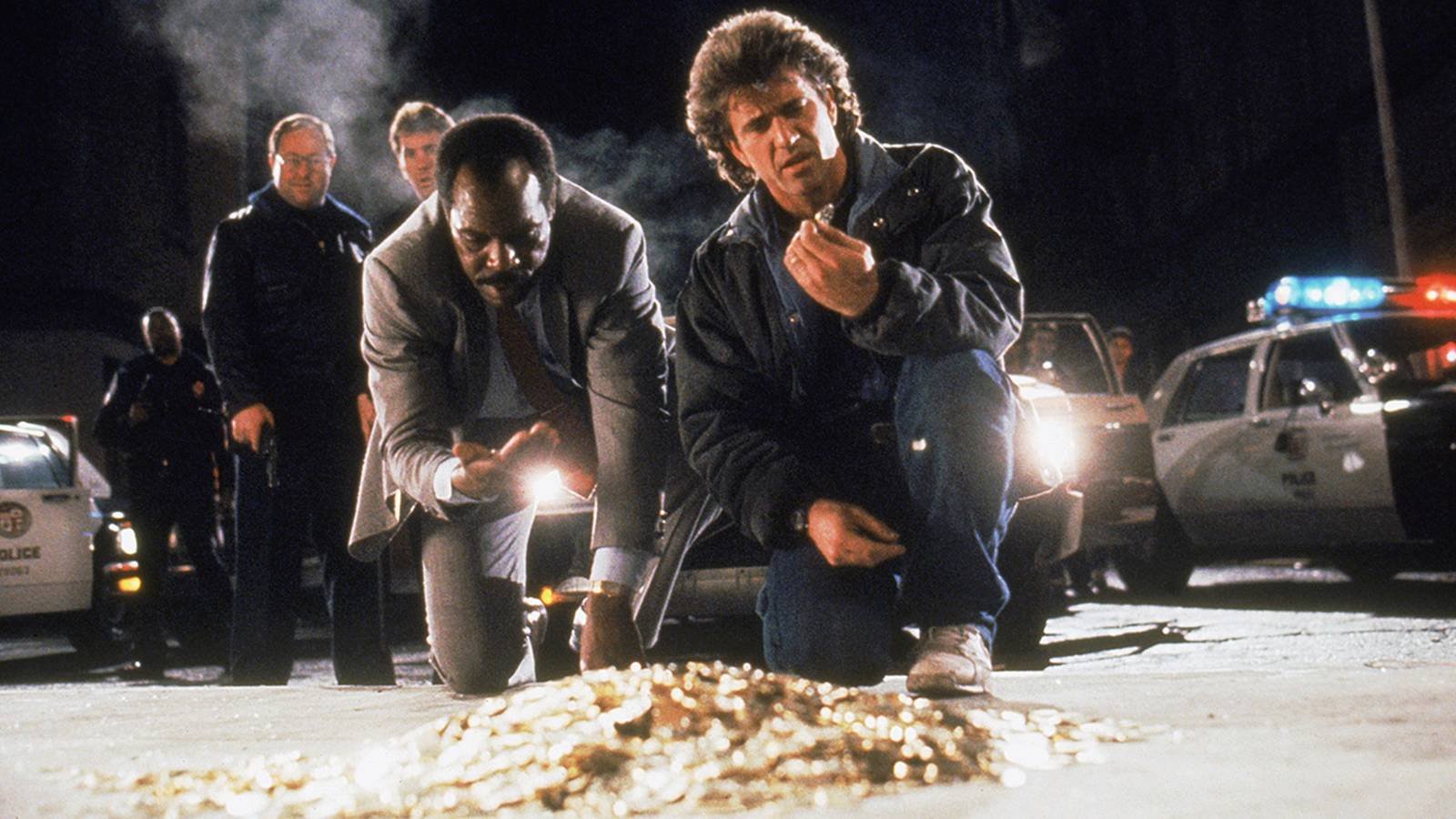
In the annals of cinematic history, the creation of a sequel that not only meets but genuinely surpasses its predecessor is an exceedingly rare feat. The very nature of sequels often predisposes them to the law of diminishing returns; a successful original film invariably prompts studio demands for a replication of its magic, frequently leading to diluted narratives, recycled plotlines, or an overemphasis on spectacle at the expense of substance. Yet, amidst this landscape of iterative efforts, certain films emerge as notable exceptions, redefining what a follow-up can achieve. One such exemplary case is <b>Lethal Weapon 2</b>, a film widely regarded by critics and audiences alike as a superior continuation that elevated the original action classic to new heights.
The Elusive Challenge of the Superior Sequel
The inherent difficulty in crafting a sequel that outshines its original lies in several factors. First, the element of novelty is lost; the audience has already been introduced to the characters, world, and core premise. Filmmakers must therefore find new ways to engage viewers without betraying the established foundation. Second, there's often immense pressure to go bigger – bigger explosions, higher stakes, more convoluted plots – which can inadvertently detract from the intimate character moments that made the original compelling. Studios, driven by financial imperatives, frequently prioritize replicating a formula, often stifling creative risks that could lead to genuine innovation. This complex interplay of audience expectation, creative constraints, and commercial pressures makes the success of a film like <b>Lethal Weapon 2</b> all the more remarkable, highlighting its unique approach to franchise development.
Lethal Weapon: Forging an Enduring Legacy
To fully appreciate the triumph of <b>Lethal Weapon 2</b>, one must first acknowledge the groundbreaking impact of the 1987 original. Directed by Richard Donner and penned by Shane Black, <b>Lethal Weapon</b> not only revitalized the buddy-cop genre but also set new benchmarks for action cinema. It introduced audiences to the iconic, contrasting duo of Martin Riggs (Mel Gibson), a grief-stricken, volatile detective on the brink, and Roger Murtaugh (Danny Glover), a seasoned, by-the-book family man approaching retirement. The film masterfully blended high-octane action with raw emotional depth, exploring themes of trauma, family, and redemption. Its success lay not just in its thrilling car chases and shootouts, but in the palpable chemistry and evolving relationship between Riggs and Murtaugh, making them characters audiences genuinely cared about. This established a formidable foundation, setting a high bar for any subsequent installment.
Lethal Weapon 2: A Masterclass in Evolution
Released in 1989, <b>Lethal Weapon 2</b> demonstrated a profound understanding of what made its predecessor resonate while boldly expanding its universe. It didn't merely rehash the original's plot; instead, it thoughtfully evolved its characters, escalated the stakes, and infused the narrative with a unique blend of humor, heart, and sociopolitical relevance. The film struck a delicate balance, preserving the essence of the beloved duo while presenting them with fresh challenges that pushed their boundaries both personally and professionally.
Enhanced Character Dynamics and Emotional Stakes
One of <b>Lethal Weapon 2's</b> greatest strengths was its commitment to character development. Riggs, while still grappling with his past, began to find a semblance of stability and even happiness, largely through his burgeoning relationship with Rika van den Haas (Patsy Kensit), an employee of the villains. This romantic subplot added a layer of vulnerability to Riggs, allowing audiences to see him beyond his self-destructive tendencies. Murtaugh, meanwhile, continued to anchor the partnership, his paternal instincts and moral compass providing a crucial counterbalance to Riggs's recklessness. The film also introduced Leo Getz (Joe Pesci), an excitable and fast-talking informant, whose comedic relief surprisingly deepened the emotional core by becoming an honorary member of their dysfunctional family. The emotional weight of Rika's fate profoundly impacted Riggs, lending genuine gravitas to the film's climactic moments and amplifying the audience's investment in the protagonists.
Adrenaline-Pumping Action and Inventive Set Pieces
Director Richard Donner, returning for the sequel, ratcheted up the action sequences significantly. From the spectacular opening car chase through the streets of Los Angeles to Murtaugh's booby-trapped toilet, the film delivered a series of inventive, high-octane set pieces that were both thrilling and memorable. The action felt more expansive, creative, and expertly choreographed, showcasing a greater budget and a more confident directorial hand. These sequences were not merely gratuitous; they were integral to the plot, driving the narrative forward and consistently raising the stakes for the heroes.
A Timely and Formidable Adversary
Beyond the personal stakes, <b>Lethal Weapon 2</b> introduced a chillingly relevant antagonist in the form of South African diplomats who were secretly running a massive smuggling operation and were immune to prosecution due to their diplomatic status. This choice of villains was particularly impactful during the late 1980s, a period marked by global condemnation of South Africa's apartheid regime. The film's commentary on systemic corruption and racial injustice provided a socio-political depth rarely seen in action films of its era. This added layer of moral complexity elevated the conflict beyond a simple good-versus-evil dynamic, making the villains genuinely detestable and the heroes' fight against them all the more righteous and compelling.
Critical Acclaim and Enduring Legacy
Upon its release, <b>Lethal Weapon 2</b> was a resounding critical and commercial success. It grossed over $227 million worldwide, becoming one of the highest-grossing films of 1989. Critics lauded its seamless blend of action, humor, and heart, frequently praising its ability to expand upon the original's strengths without succumbing to sequel fatigue. The film solidified the iconic status of Riggs and Murtaugh, further cementing their place in pop culture history. Its influence can still be seen in subsequent buddy-cop films, demonstrating how a well-executed sequel can not only build upon its foundation but also redefine the genre itself. It stands as a testament to the power of strong character development, escalating narratives, and timely themes within an action-packed framework.
<b>Lethal Weapon 2</b> remains a benchmark for how to craft a truly exceptional sequel. It demonstrates that with a clear vision, a commitment to character evolution, and a willingness to tackle relevant themes, a follow-up can indeed surpass the original's shadow and forge its own lasting legacy. Its success lies not just in its explosive set pieces or sharp dialogue, but in its ability to deepen our connection with its protagonists, making their journey feel more personal and impactful. This enduring appeal ensures its place among the pantheon of action cinema's finest achievements.
Dive deeper into the world of cinematic masterpieces and discover more about your favorite films, behind-the-scenes insights, and in-depth analyses. Continue exploring the extensive content available on [NAME OF SITE] for your daily dose of film knowledge and entertainment.
Fonte: https://screenrant.com