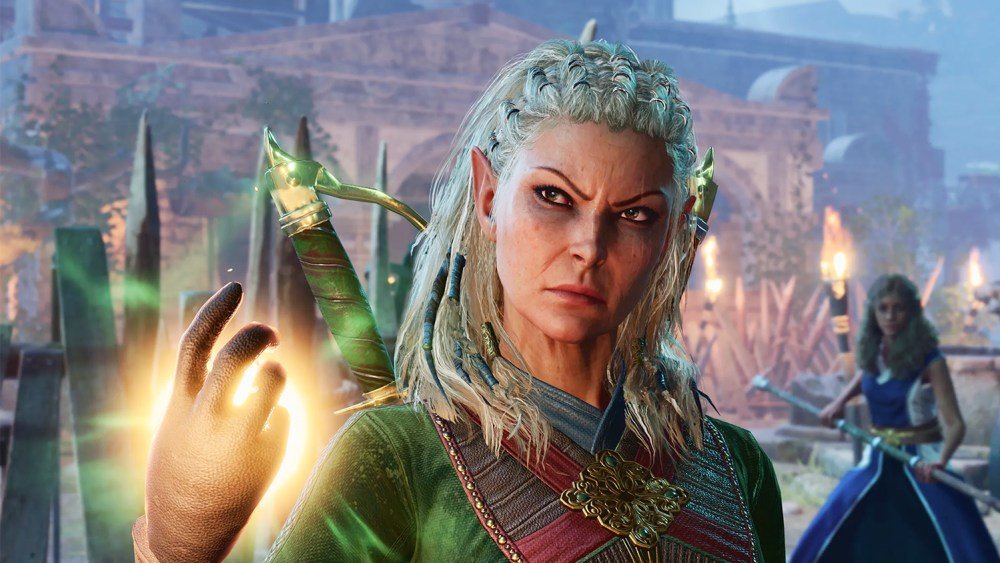
In a significant development for fans of high fantasy and critically acclaimed video game adaptations, HBO is reportedly moving forward with a television series based on Hasbro’s iconic role-playing game franchise, <i>Baldur’s Gate</i>. The project gains immediate gravitas with the attachment of Craig Mazin, the celebrated co-creator and showrunner behind HBO’s massively successful adaptation of <i>The Last of Us</i>. Mazin is slated to serve as both showrunner and executive producer, signaling a clear intention to bring the intricate world of Faerûn to the screen with the same depth and fidelity that defined his previous works.
This announcement marks a pivotal moment, not only for the esteemed <i>Baldur’s Gate</i> series but also for the burgeoning trend of video game properties transitioning to mainstream television. With Mazin’s proven track record for crafting compelling narratives and immersive worlds, the prospect of a live-action adaptation exploring the rich lore and moral complexities of the Dungeons & Dragons universe is met with considerable anticipation from both long-time fans and new audiences alike.
The Enduring Legacy of Baldur's Gate
The <i>Baldur’s Gate</i> franchise is far more than just a series of video games; it is a foundational pillar of the computer role-playing game (CRPG) genre and a direct descendant of the legendary tabletop game, Dungeons & Dragons. First launched in 1998 by BioWare, the original game captivated players with its deep narrative, compelling characters, and strategic combat set within the sprawling Forgotten Realms campaign setting. It introduced players to the Sword Coast, a region replete with ancient evils, political intrigue, and unforgettable companions.
From Tabletop to Digital Triumph
The original <i>Baldur’s Gate</i> titles, alongside their direct sequel, <i>Baldur’s Gate II: Shadows of Amn</i>, redefined expectations for RPGs. They offered unparalleled freedom of choice, allowing players to shape their character's destiny through dialogue, alignment, and consequence. The games were lauded for their intricate plots, morally ambiguous decisions, and the emotional connections players formed with their party members. This rich tapestry of storytelling laid the groundwork for countless RPGs that followed, cementing <i>Baldur’s Gate</i>’s place as a true classic in gaming history.
Baldur's Gate 3: A Resurgent Phenomenon
The franchise experienced a monumental resurgence with the 2023 release of <i>Baldur’s Gate 3</i> by Larian Studios. This critically acclaimed title not only honored its predecessors but also pushed the boundaries of modern RPGs, earning numerous Game of the Year awards. Its immense success, both commercial and critical, brought the <i>Baldur’s Gate</i> name to a new generation of players and reignited widespread interest in the Forgotten Realms. This renewed cultural relevance undoubtedly played a significant role in HBO's decision to pursue a live-action adaptation, capitalizing on the franchise's expanded appeal.
Craig Mazin: A Proven Architect of Adaptation
The selection of Craig Mazin as the driving force behind the <i>Baldur’s Gate</i> series is perhaps the most compelling aspect of this announcement. Mazin has demonstrated an exceptional ability to translate complex, often beloved, source material into compelling television that resonates with broad audiences while maintaining the integrity of the original vision. His involvement instills confidence that the series will be treated with the respect and narrative expertise it deserves.
Mastering the Art of Translation with 'The Last of Us'
Mazin’s most recent triumph, HBO’s <i>The Last of Us</i>, stands as a benchmark for video game adaptations. He, alongside game creator Neil Druckmann, navigated the delicate balance of fidelity to the source material and the necessity of adapting it for a different medium. The series was praised for its emotional depth, character development, and ability to capture the essence of the game’s story without merely replicating it scene for scene. This experience will be invaluable in tackling the unique challenges presented by <i>Baldur’s Gate</i>, a franchise known for player agency and branching narratives.
The Unflinching Honesty of 'Chernobyl'
Prior to <i>The Last of Us</i>, Mazin earned widespread critical acclaim for HBO’s 2019 limited series <i>Chernobyl</i>. This historical drama showcased his ability to craft intense, character-driven narratives out of real-world events, meticulously researching and presenting a complex story with profound emotional impact. The skill set honed in <i>Chernobyl</i>—attention to detail, dramatic pacing, and the courage to explore dark themes—will be crucial for building the immersive, often grim, yet always engaging world of the Forgotten Realms.
Navigating the Sword Coast: Challenges and Opportunities for Adaptation
Adapting a rich RPG like <i>Baldur’s Gate</i> to a linear television format presents unique challenges. The core appeal of the games lies in player choice, character customization, and the ability to explore different moral paths. Mazin and his team will need to distill these elements into a cohesive narrative that retains the spirit of player agency without sacrificing storytelling flow. This will likely involve selecting a compelling main storyline, developing a core cast of characters that resonate with audiences, and potentially exploring multiple facets of the Forgotten Realms through a diverse ensemble.
However, these challenges also open up significant opportunities. A television series can delve deeper into the lore of the Forgotten Realms, explore the backstories of iconic companions, and visually realize the stunning landscapes and fantastical creatures that have only been imagined through gameplay. The intricate political machinations, ancient rivalries, and cosmic threats inherent to the D&D universe offer a wealth of material for compelling, multi-season storytelling.
HBO's Strategic Move in the Game Adaptation Landscape
HBO’s investment in <i>Baldur’s Gate</i> signals a continued commitment to high-quality video game adaptations following the resounding success of <i>The Last of Us</i>. This move positions HBO at the forefront of a growing trend, demonstrating that with the right creative team and respect for the source material, video game narratives can transcend their original medium and become prestige television. The fantasy genre itself has seen a resurgence in recent years, and <i>Baldur’s Gate</i>, with its mature themes and complex world, is perfectly poised to capitalize on this interest, offering a distinct flavor of epic storytelling.
Anticipating the Next Chapter of Faerûn
While details about the plot, casting, and production timeline remain under wraps, the mere announcement of a <i>Baldur’s Gate</i> series with Craig Mazin at the helm has ignited immense excitement. Fans are eager to see how characters like Minsc and Boo, Astarion, Shadowheart, or even classic heroes and villains from the original games might be brought to life. The series holds the potential to introduce the rich narratives of the Forgotten Realms to an even broader global audience, further solidifying the cultural footprint of this legendary franchise. Mazin's involvement ensures that the adaptation will likely prioritize character-driven storytelling and meticulous world-building, which are hallmarks of the <i>Baldur's Gate</i> experience.
The journey through Faerûn is vast and full of peril, wonder, and unforgettable stories. As we await more details on this highly anticipated adaptation, the promise of seeing the Sword Coast meticulously rendered on screen by such a talented team is truly thrilling. For more in-depth analyses, exclusive interviews, and breaking news on this and other exciting developments in the world of entertainment and gaming, be sure to continue exploring our site. Dive deeper into the stories that shape our culture!
Fonte: https://variety.com