In a recent appearance on the "Decoder" podcast, Hasbro CEO Chris Cocks navigated a sensitive and increasingly prevalent dilemma for modern corporations: how to balance lucrative intellectual property partnerships with the contentious personal views of a creator. The discussion centered on Hasbro's multi-year licensing agreement with Warner Bros. Discovery (WBD) to develop toys and games for the iconic "Harry Potter" universe, a deal strategically timed to coincide with the highly anticipated reboot of the franchise as an HBO Max television series. However, the conversation swiftly pivoted from commercial strategy to ethical considerations, specifically addressing the ongoing controversy surrounding author J.K. Rowling's widely criticized statements on gender identity.
Cocks was directly confronted with concerns about Rowling's alleged "transphobia" and its perceived negative impact on fans within the "Harry Potter" fandom. His response, emphasizing Hasbro's support for diversity while framing the company's involvement as "separating the art from the artist," offers a fascinating glimpse into how major brands are attempting to reconcile commercial imperatives with evolving social responsibilities. This balancing act underscores the intricate challenges faced by companies licensing globally recognized, yet culturally fraught, properties in an era of heightened social awareness and consumer activism.
The Strategic Alliance: Hasbro and Warner Bros. Discovery
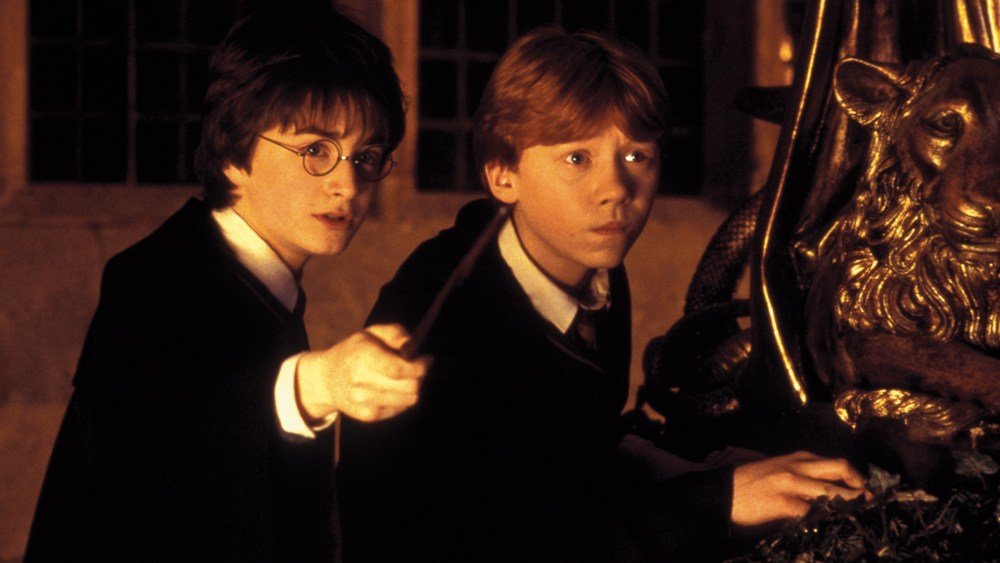
The partnership between Hasbro and Warner Bros. Discovery represents a significant strategic maneuver for both entities. For Hasbro, a global play and entertainment company, securing the "Harry Potter" license is a substantial coup, adding a perennially popular and expansive universe to its already formidable portfolio of brands, which includes classics like Transformers, My Little Pony, and G.I. Joe. This agreement allows Hasbro to tap into a fan base that spans generations, offering a diverse array of products from action figures and role-play items to board games and collectibles, thereby solidifying its market position in the licensed toy sector.
From Warner Bros. Discovery's perspective, the deal is instrumental in maximizing the commercial potential of the "Harry Potter" franchise beyond its core entertainment offerings. As WBD gears up to launch a new, long-form television series adaptation of the books on HBO Max, licensing agreements like the one with Hasbro create crucial ancillary revenue streams and enhance brand visibility. These toys and games serve as tangible touchpoints for fans, generating excitement and keeping the franchise culturally relevant between screen releases. It's a symbiotic relationship designed to ensure the "Wizarding World" remains a pervasive and profitable presence across multiple media and product categories.
The Genesis of the J.K. Rowling Controversy
The controversy surrounding J.K. Rowling stems primarily from a series of public statements, essays, and social media posts she has made since 2019 regarding sex and gender identity. Critics, including many within the LGBTQ+ community and specifically transgender advocates, have labeled her remarks as "transphobic," arguing that they invalidate transgender identities and contribute to a hostile environment for trans individuals. Rowling, in turn, has consistently defended her position, stating her concerns are rooted in women's rights and biological sex realities, rather than animosity towards transgender people. This fundamental disagreement has created a deep schism, particularly within the "Harry Potter" fandom, which has long prided itself on themes of inclusion and acceptance.
The impact on the fandom has been profound and divisive. Many long-time fans, particularly those from the LGBTQ+ community and their allies, have expressed feelings of betrayal and alienation. They grapple with the ethical dilemma of continuing to engage with a beloved fictional world whose creator holds views they find deeply offensive and harmful. This has led to calls for boycotts of new "Harry Potter" content, merchandise, and media, creating a challenging environment for companies like Hasbro and WBD that rely on fan engagement and loyalty. The emotional investment in the "Wizarding World" makes this a particularly sensitive issue, as fans feel a personal connection to the stories and characters that is now complicated by the author's public persona.
Chris Cocks' Stance: Separating the Art from the Artist
When pressed on the issue, Chris Cocks articulated Hasbro's position by emphasizing that the company "supports diversity" across its operations and products. He then invoked the frequently debated concept of "separating the art from the artist." This argument posits that the intrinsic value, enjoyment, or cultural significance of a creative work can, and perhaps should, be evaluated independently of the personal beliefs or actions of its creator, especially when those beliefs are deemed problematic. From a business standpoint, this allows Hasbro to leverage a hugely popular and profitable intellectual property without explicitly endorsing the author's controversial opinions.
This corporate approach highlights the intricate tightrope walk companies must perform. On one hand, there is an imperative to respond to consumer concerns regarding social justice and corporate ethics, especially given the rising importance of Environmental, Social, and Governance (ESG) criteria in investor and public perception. On the other hand, there are fiduciary duties to shareholders, which often involve maximizing returns by capitalizing on highly valuable assets, regardless of peripheral controversies. Cocks' statement implies a focus on the universal appeal of the "Harry Potter" narrative itself—its magic, characters, and themes—rather than J.K. Rowling as an individual figure. Hasbro's commitment to diversity, in this context, appears to be focused on ensuring that their products themselves are inclusive and accessible to all children and fans, rather than taking a definitive stance on the creator's political or social commentary.
Broader Industry Implications and Brand Management
The "Harry Potter" saga is not an isolated incident; it serves as a prominent case study in the broader challenge of brand management in the 21st century. Companies across various industries frequently grapple with problematic legacies, controversial founders, or creators whose views clash with contemporary values. Disney, for instance, has long navigated sensitivities surrounding older content, often opting to add disclaimers or context rather than remove material entirely. The decision to "separate the art from the artist" is a common strategy, but its effectiveness is continually tested by increasingly vocal and organized consumer bases. Social media amplifies both criticism and calls for corporate accountability, making it harder for companies to remain neutral or to avoid engagement with social issues.
For the entertainment and toy industries, which heavily rely on emotional connection and aspirational narratives, navigating such controversies is particularly complex. A brand's integrity is intricately linked to public perception and the values it appears to embody. While the financial might of the "Harry Potter" franchise is undeniable, the ongoing debate around its creator could have long-term implications for its cultural resonance and the loyalty of future generations of fans. Hasbro and WBD's approach will be closely watched as a benchmark for how major corporations address the delicate balance between commercial interests and the moral expectations of an increasingly socially conscious global audience.
The situation underscores a crucial evolution in corporate responsibility: it's no longer enough for companies to merely offer popular products; they are increasingly expected to align with broader societal values and to take stances on issues that matter to their consumers. The "Harry Potter" controversy, therefore, is not just about toys or TV shows; it's about the very future of how beloved franchises are stewarded and how corporations choose to interact with the complex socio-political landscape of our time.
As the "Harry Potter" universe continues to expand through new adaptations and merchandise, the conversation around its creator's views and the franchise's inclusive messaging will undoubtedly persist. Hasbro's commitment to supporting diversity while embracing the lucrative potential of the "Wizarding World" illustrates the multifaceted challenges facing corporate leaders today. For a deeper dive into how major brands are adapting to an evolving cultural landscape and managing complex ethical dilemmas, continue exploring the comprehensive analyses and expert insights available right here on NAME OF SITE.
Fonte: https://variety.com