The early 21st century marked a golden age for speculative fiction on television, a period rife with ambitious, big-budget science fiction series that aimed to push the boundaries of storytelling. While the quality of these endeavors varied, one show consistently stood out for its intricate plotting, compelling characters, and profound thematic depth: <b>Fringe</b>. Developed by J.J. Abrams, Alex Kurtzman, and Roberto Orci, <i>Fringe</i> initially premiered on Fox in 2008, quickly establishing itself as a sophisticated blend of procedural drama and serialized mystery. Despite its critical acclaim and a dedicated fanbase, the series often feels overlooked in contemporary discussions of great sci-fi television, perhaps due to its remarkable — and often disorienting — evolution over its five-season run. Indeed, by its final season, the show had transformed so profoundly that it was, for many viewers, virtually unrecognizable from its original premise.
The Genesis of the Fringe Division: A Procedural with a Paranormal Twist
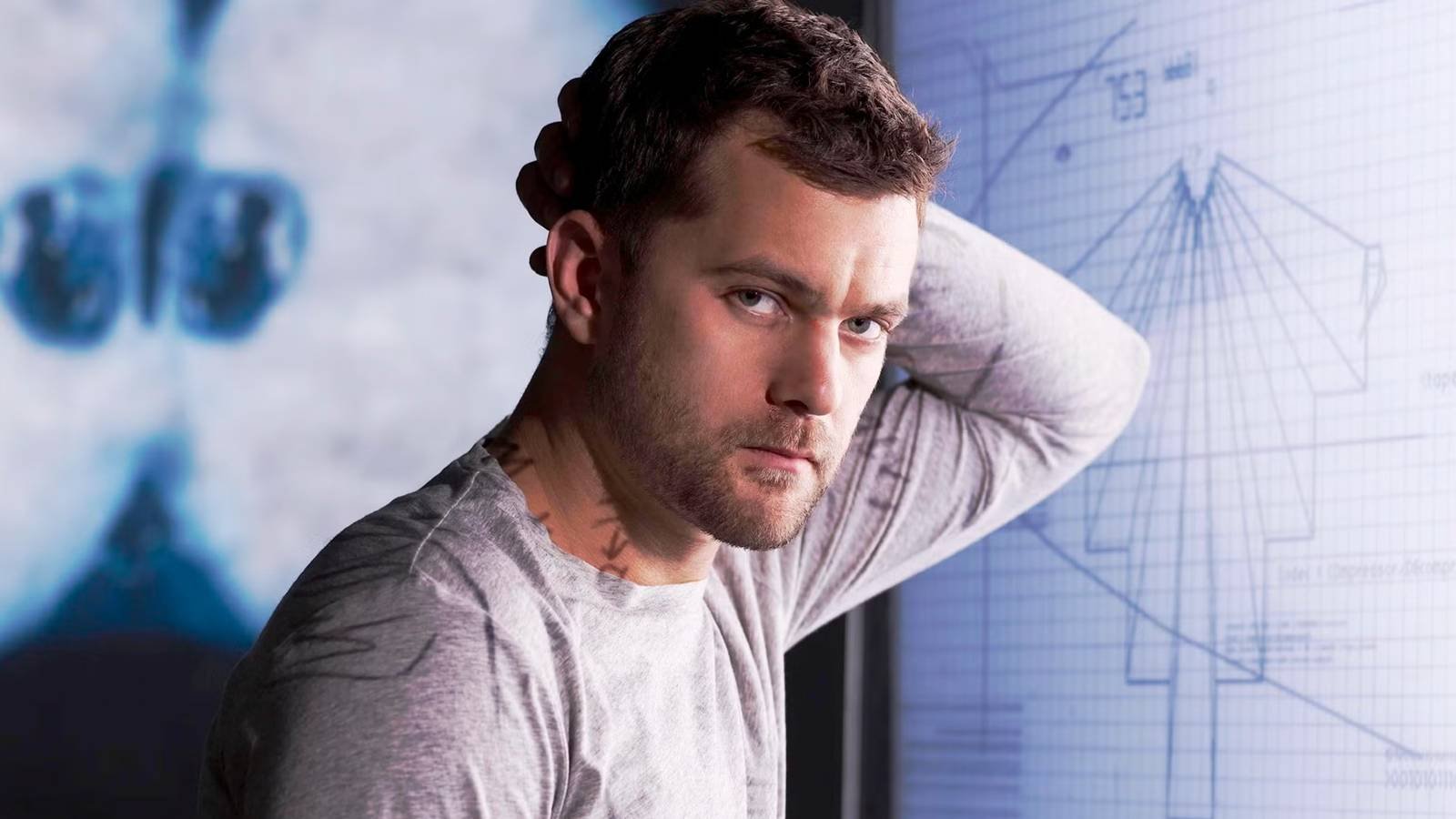
When <i>Fringe</i> first graced screens, it introduced audiences to Special Agent Olivia Dunham (Anna Torv), an FBI agent thrust into the enigmatic world of “fringe science” after a mysterious plane incident. Her investigation leads her to the brilliant, eccentric, and institutionalized scientist Dr. Walter Bishop (John Noble) and his estranged son, Peter Bishop (Joshua Jackson), a con artist with a troubled past. The inaugural season largely adopted a monster-of-the-week format, with the newly formed Fringe Division investigating bizarre, often gruesome, cases that defied conventional explanation. These incidents, dubbed “The Pattern,” hinted at a larger, sinister force at play, blending elements of the X-Files with medical mystery and technological thriller tropes. This initial structure allowed viewers to acclimate to the show’s unique blend of horror, mystery, and scientific exploration, grounding its more fantastical elements in a familiar procedural framework. The focus was on individual cases, each unraveling a piece of a growing, complex puzzle, while slowly developing the core relationships and the overarching mythology centered around Walter's past experiments and their profound consequences.
The Multiverse Unveiled: Shifting to a Serialized Epic
The seemingly episodic nature of <i>Fringe</i> began to crack in its second season, giving way to a more deeply serialized narrative. This marked the show's first major metamorphosis. The slow reveal of a parallel universe, existing alongside our own and on a collision course due to scientific meddling, fundamentally altered the show's direction. Viewers were introduced to “Walternate,” Walter Bishop's doppelgänger from the other side, and the escalating conflict between the two realities. This shift transformed <i>Fringe</i> from a paranormal procedural into an intricate exploration of identity, consequence, and the moral complexities of scientific advancement. The stakes amplified dramatically, moving beyond individual cases to encompass the fate of entire universes. Characters like Peter Bishop, whose mysterious origins were central to the multiverse conflict, gained immense depth as his allegiances and true nature became pivotal to the war between worlds. This era, particularly Seasons 2 and 3, is often hailed by fans as the show's creative peak, seamlessly weaving character drama with high-concept sci-fi and delivering emotional payoffs amidst shocking revelations.
Navigating Alternate Timelines and Reintegration
Just as audiences grew comfortable with the parallel universe dynamic, <i>Fringe</i> delivered another seismic shift. The conclusion of Season 3 saw Peter Bishop making a profound sacrifice to save both universes, effectively erasing himself from existence and altering the timeline. Season 4 began in a world where Peter had never existed, forcing the characters — and the audience — to grapple with an entirely new reality, one subtly but significantly different from what they knew. This bold narrative choice underscored the show's commitment to pushing storytelling boundaries, challenging viewers to re-evaluate established relationships and histories. Olivia and Walter, in particular, experienced profound changes in Peter's absence, only for him to mysteriously re-emerge, needing to integrate himself into a reality that had moved on without him. This season showcased the resilience of memory and connection, demonstrating how certain bonds transcend even the fabric of reality. It explored the philosophical implications of alternate histories and the profound impact of individual choices on the collective consciousness, further cementing <i>Fringe</i>'s reputation for intellectual rigor.
The Dystopian Conclusion: A Fight for Humanity's Future
The most radical transformation of <i>Fringe</i> occurred in its fifth and final season. Faced with budget cuts and the looming threat of cancellation, the series took an unprecedented leap, jumping forward to a dystopian future in the year 2036. This final act saw the Earth conquered and oppressed by the Observers, bald, emotionless beings who had been enigmatic background figures throughout the show's run. The Fringe team, having been amber-encased for decades, emerged to lead a desperate resistance movement to reclaim humanity's future. This dramatic pivot to a post-apocalyptic setting was a complete departure from the show's original aesthetic and narrative structure. Gone were the dimly lit labs and urban landscapes; in their place were barren, war-torn environments and a constant struggle for survival. The season became a race against time, a singular mission to defeat the Observers and reset the timeline, offering a poignant and often heartbreaking exploration of hope, sacrifice, and the enduring power of family. It was a fitting, if startling, conclusion for a series that consistently defied expectations, culminating its journey as a philosophical exploration of free will versus deterministic fate.
The Enduring Legacy of Transformation
<i>Fringe</i>'s journey from a monster-of-the-week procedural to a complex multiverse saga, and ultimately to a dystopian future epic, is a testament to its creative ambition and willingness to evolve. This constant reinvention, while perhaps alienating some viewers who preferred its earlier iterations, also cemented its status as a daring and intellectually stimulating piece of television. The series never shied away from challenging its audience, demanding attention and rewarding it with richly developed characters and a meticulously crafted mythology. Its ability to navigate such drastic tonal and narrative shifts while maintaining a core emotional through-line — the love between Walter, Peter, and Olivia — is arguably its greatest achievement. <i>Fringe</i> remains a powerful example of how science fiction can serve as a canvas for exploring profound human questions, demonstrating that true greatness often lies in the courage to transcend one's initial identity and embrace change.
Delving into the complex layers of shows like <i>Fringe</i> offers endless opportunities for discussion and discovery. If you're fascinated by the evolution of television narratives and the intricate details behind sci-fi masterpieces, we invite you to explore more in-depth analyses and exclusive content on NAME OF SITE. Continue browsing our platform for further insights into your favorite series and the stories that shape our cultural landscape.
Fonte: https://screenrant.com