Few animated series have achieved the critical acclaim and cultural impact of *Avatar: The Last Airbender* (ATLA), a sprawling epic that captivated audiences worldwide with its intricate world-building, compelling characters, and profound philosophical underpinnings. Its sequel, *The Legend of Korra* (LoK), launched in 2012, inherited an almost insurmountable legacy, leading to a much more divided reception from fans and critics alike. While ATLA is celebrated for its cohesive narrative and masterful character arcs, LoK often found itself under scrutiny, frequently compared unfavorably to its predecessor. However, as time affords us greater perspective, it is becoming increasingly evident that *The Legend of Korra* offers a rich, complex, and deeply mature narrative that deserves far more credit than it initially received, standing as a formidable achievement in its own right.
The Unforgettable Precedent: Avatar: The Last Airbender's Monumental Impact
When *Avatar: The Last Airbender* premiered on Nickelodeon in 2005, it quickly distinguished itself from typical children's programming. Over three meticulously crafted seasons, viewers followed Avatar Aang, the last airbender, on his journey to master all four elements and bring balance to a world ravaged by a century-long war. The series masterfully blended Eastern philosophy, martial arts, and coming-of-age storytelling, exploring themes of destiny, genocide, forgiveness, and the cyclical nature of conflict. Its profound emotional depth, consistent character development, and a climactic resolution made it a benchmark for animated storytelling, setting an exceptionally high bar for any subsequent installments in the Avatar universe.
A Legacy of Division: The Initial Reception of The Legend of Korra
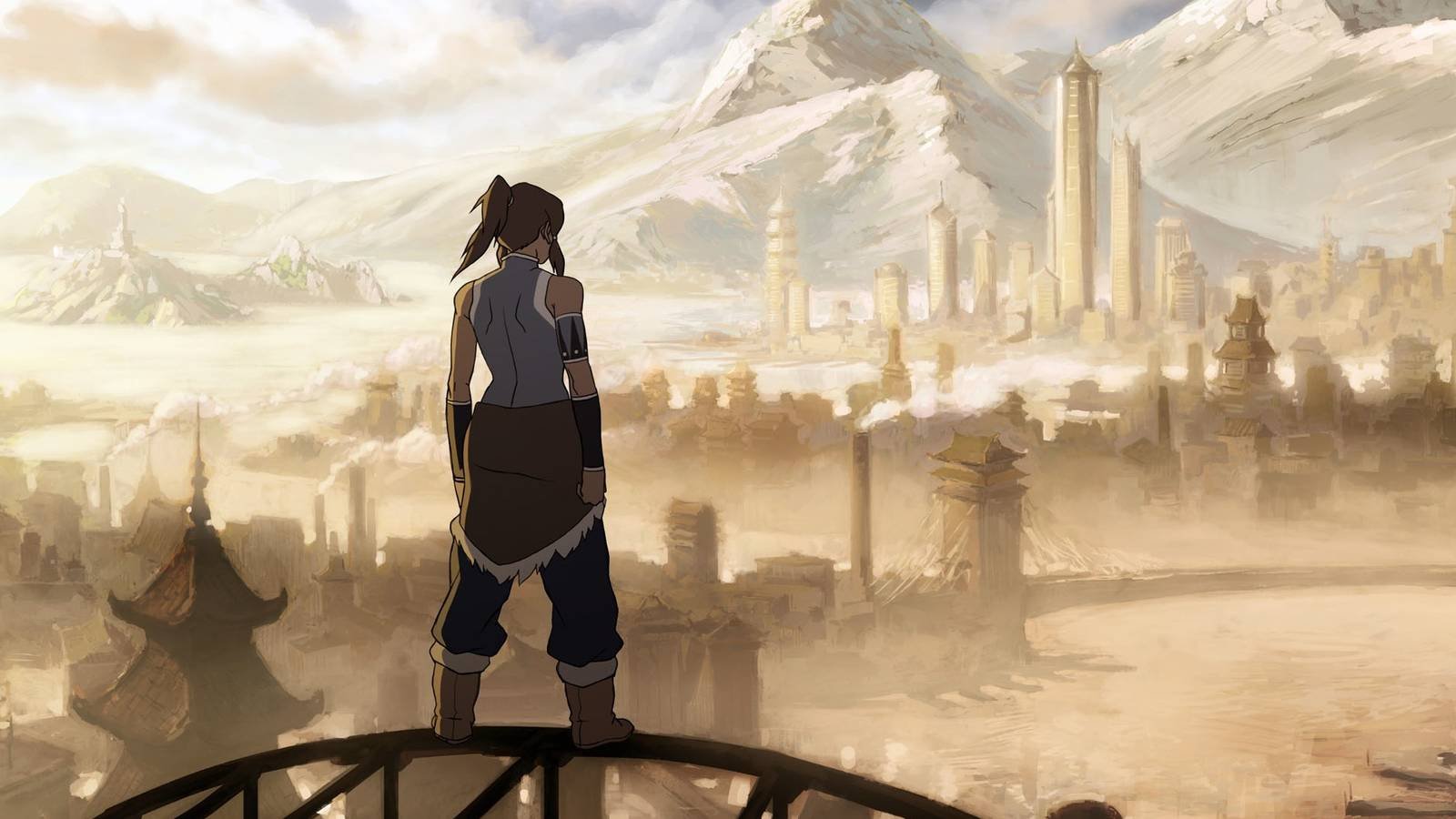
The anticipation for *The Legend of Korra* was immense, yet it was also burdened by the colossal expectations born from ATLA's success. From its initial debut, LoK presented a stark departure in tone and setting. Gone were the war-torn villages and ancient temples, replaced by the bustling, industrialized metropolis of Republic City, a vibrant hub of technological advancement and simmering social tensions. Its protagonist, Avatar Korra, was already a master of three elements, a stark contrast to Aang's initial reluctance and spiritual journey. This immediate shift alienated some viewers who yearned for a direct continuation of ATLA's aesthetic and thematic approach, leading to criticisms ranging from its more adult themes to its season-by-season narrative structure that often precluded a single overarching antagonist.
Forging Its Own Path: Korra's Distinctive Narrative Strengths
A Protagonist Defined by Struggle and Growth
Korra's journey is arguably more complex and emotionally taxing than Aang's, focusing less on elemental mastery and more on the profound psychological and spiritual burden of being the Avatar in a rapidly modernizing world. Unlike Aang, who struggled to *accept* his destiny, Korra often grappled with the *weight* of it. Her narrative arc delves into themes of identity crises, PTSD, and the very real consequences of power. Viewers witnessed her battling formidable physical threats, enduring spiritual disconnection, and confronting personal demons, including severe trauma and depression after her bending was taken away. This raw, honest portrayal of a hero facing mental health challenges was groundbreaking for children's animation and lent Korra a deeply relatable, human dimension that resonated with many, showcasing immense courage in its narrative choices.
Expanding the World and Its Ideologies
LoK boldly expanded the Avatar universe, showcasing the progress and pitfalls of industrialization and technological advancement. Republic City itself became a character, a melting pot of cultures and bending styles, but also a hotbed of social inequality and political unrest. The series explored the reintegration of spirits into the physical world and the ramifications of this shift, pushing the boundaries of the established lore. This evolution demonstrated how societies change, presenting a world grappling with issues like class struggle, the rise of mass media, and the tension between tradition and modernity. It allowed for richer, more nuanced storytelling that reflected contemporary global issues, proving that the Avatar universe was capable of evolving beyond its initial setting without losing its core identity.
Nuanced Villains and Complex Sociopolitical Themes
Perhaps LoK's greatest strength lies in its antagonists, who are far more ideologically driven and morally ambiguous than ATLA's Fire Lord Ozai. Each season introduced a new villain, each representing a distinct philosophical or political challenge. Amon, the leader of the Equalists, highlighted social inequality and the inherent power dynamics of bending. Unalaq explored spiritual fundamentalism and the dangers of extreme traditionalism. Zaheer, the anarchist airbender, questioned the very concept of government and freedom, presenting compelling arguments that challenged Korra's worldview. Finally, Kuvira, the Great Uniter, embodied authoritarian nationalism and the allure of order at any cost. These villains were not simply evil; they possessed coherent, albeit twisted, ideologies that forced Korra and the audience to ponder complex questions about justice, governance, freedom, and spirituality. This approach elevated the narrative, inviting critical thought rather than simple good-versus-evil dichotomies.
Pushing Artistic Boundaries: Animation and Action
Beyond its narrative depth, *The Legend of Korra* consistently delivered breathtaking animation and meticulously choreographed action sequences. Leveraging advancements in animation technology, the bending in LoK felt more fluid, dynamic, and impactful than ever before. From the fast-paced pro-bending matches to epic confrontations between powerful benders, the visual storytelling was consistently stunning. The series pushed artistic boundaries, particularly in its depiction of the Spirit World and the epic scale of its final battles, solidifying its place as a visually groundbreaking series within the animated landscape.
The Evolving Conversation: Rekindling Appreciation for Korra
Over time, especially with its availability on streaming platforms, *The Legend of Korra*'s reputation has steadily grown. New generations of viewers, free from the immediate comparison to ATLA, have discovered its unique merits, appreciating its willingness to tackle mature themes, its progressive character development, and its bold expansion of the Avatar lore. Critics have also begun to re-evaluate the series, recognizing its foresight in addressing societal issues that remain relevant today. What was once seen as a controversial departure is now increasingly understood as a courageous evolution, showcasing the adaptability and enduring appeal of the Avatar universe.
While *Avatar: The Last Airbender* remains an undeniable masterpiece, it is time to acknowledge *The Legend of Korra*'s profound contributions to the animated landscape. Its willingness to challenge narrative conventions, its sophisticated exploration of complex sociopolitical themes, and its deeply human portrayal of a hero's struggles solidify its place as an underrated gem. LoK didn't just follow in ATLA's footsteps; it carved its own path, offering a mature and vital perspective on what it means to be the Avatar in an ever-changing world. To dive deeper into the nuanced narratives and critical analyses of beloved series, be sure to continue exploring the extensive content available right here on NAME OF SITE.
Fonte: https://screenrant.com