The Pokémon franchise stands as an undeniable cultural behemoth in the modern entertainment landscape. Few are the individuals who cannot instantly recognize the iconic visage of Pikachu, or grasp the fundamental concept of collecting and battling fantastical creatures. With a history spanning over three decades, the core video games and their animated counterparts have brought immense joy and fostered a vibrant global community around the world. This enduring popularity, however, often casts a long shadow over the franchise's more unconventional or less celebrated entries. While millions eagerly anticipate each new mainline RPG, a wealth of innovative and often quirky spin-off titles have quietly enriched the Pokémon universe, only to fade into the annals of gaming history for many.
The sheer volume of Pokémon titles released across various platforms since the mid-1990s is staggering. Beyond the core role-playing adventures that define the series, Game Freak and other collaborating developers have consistently experimented with diverse genres, pushing the boundaries of what a Pokémon game could be. From puzzle games and digital pet simulators to strategy RPGs and educational software, the franchise has explored nearly every conceivable facet of gaming. Yet, in this vast digital ecosystem, some creations inevitably slip through the cracks, overlooked by the mainstream or simply lost to time. These are not necessarily bad games; rather, they are often fascinating experiments or niche offerings that failed to capture widespread attention amidst the juggernaut success of their more prominent siblings.
The Vastness of the Pokémon Universe Beyond the Main Series
The foundational success of titles like <i>Pokémon Red</i>, <i>Blue</i>, and <i>Yellow</i> established a lucrative formula that the series has largely adhered to: exploration, creature capture, training, and strategic turn-based battles. This core appeal has undoubtedly been the driving force behind Pokémon's longevity. However, Nintendo and The Pokémon Company have never shied away from venturing into uncharted territory. They understood early on that to fully leverage the brand's potential, they needed to diversify. This led to a prolific output of spin-off games, many developed by studios other than Game Freak, designed to appeal to different audiences or explore alternative gameplay mechanics.
Several factors contribute to why certain Pokémon games become 'forgotten.' Platform exclusivity played a significant role, with many titles appearing on less popular consoles or defunct handhelds. Limited marketing budgets for spin-offs compared to mainline entries also meant less exposure. Furthermore, some games simply offered experiences too niche or experimental for a broad audience, while others, despite their quality, were overshadowed by simultaneous releases of more anticipated titles. Revisiting these games offers a unique perspective on the franchise's evolution, showcasing its willingness to innovate and adapt, even if some attempts didn't achieve commercial superstardom.
Unearthing the Digital Dust: 10 Pokémon Games That Faded from Memory
1. Hey You, Pikachu! (Nintendo 64, 1998)
Released exclusively for the Nintendo 64, <i>Hey You, Pikachu!</i> was a groundbreaking, albeit often frustrating, experiment in voice recognition technology. Players interacted with a wild Pikachu using a bundled Voice Recognition Unit (VRU) and microphone, giving commands to guide it through daily activities, fishing, and mini-games. While ambitious, the technology was notoriously finicky, leading to mixed reception. Its unique premise and direct interaction with the franchise's mascot made it a curiosity, but its clunky controls and limited replayability prevented it from becoming a classic, thus fading from collective memory.
2. Pokémon Channel (GameCube, 2003)
Another GameCube oddity, <i>Pokémon Channel</i> combined elements of a virtual pet simulation with a unique television-viewing concept. Players befriended a Pikachu, watching various Pokémon-themed programs on a virtual TV, collecting cards, and exploring a small environment. It was a relaxed, non-competitive experience designed to immerse players in the world of Pokémon without traditional battling or collecting. While charming, its slow pace and lack of conventional gameplay objectives meant it appealed to a very specific audience and quickly became overshadowed by more action-oriented titles.
3. Pokémon Box: Ruby and Sapphire (GameCube, 2003)
Less of a game and more of an interactive storage solution, <i>Pokémon Box: Ruby and Sapphire</i> allowed players to store up to 1,500 Pokémon from their Game Boy Advance titles (<i>Ruby</i> and <i>Sapphire</i>) on a GameCube memory card. It offered organization tools, a graphical interface for viewing Pokémon, and even a rudimentary 'walking simulator' where players could observe their captured monsters. While incredibly useful for serious collectors, its limited availability and niche functionality meant it wasn't a standalone gaming experience for most, rendering it largely forgotten outside of dedicated fan circles.
4. Pokémon Mini (Dedicated Handheld, 2001)
The <i>Pokémon Mini</i> was Nintendo's smallest dedicated handheld console, preceding the Game Boy Advance by a year. This tiny device featured its own line of monochrome mini-games, including puzzle titles, virtual pets, and even a fishing game. It boasted unique features like a built-in accelerometer and infrared communication. Despite its innovative design and portability, the console had a very limited release and a small library of games, quickly becoming a collector's item rather than a mainstream success, making it one of the most obscure Pokémon hardware ventures.
5. Pokémon Trozei! (Nintendo DS, 2005)
Known as <i>Pokémon Link!</i> in Europe, this Nintendo DS puzzle game challenged players to match four or more identical Pokémon in a row to clear them from the screen. Its fast-paced, action-puzzle gameplay was a refreshing departure from traditional Pokémon fare, combining elements of Bejeweled-style matching with a unique 'Trozei Chance' mechanic. While generally well-received for its addictive gameplay and multiplayer options, it never quite reached the widespread recognition of other DS puzzle hits like <i>Picross</i> or <i>Dr. Kawashima's Brain Training</i>, and a sequel, <i>Pokémon Battle Trozei</i>, was later released on the 3DS.
6. Pokémon Rumble Series (Wii, 3DS, Wii U, Switch – early entries)
The <i>Pokémon Rumble</i> series offered a distinct gameplay style: a hack-and-slash brawler where players controlled toy Pokémon. The initial entry, <i>Pokémon Rumble</i> for WiiWare (2009), laid the groundwork for subsequent titles like <i>Rumble Blast</i> (3DS) and <i>Rumble U</i> (Wii U). While initially novel, the repetitive combat and simplified mechanics meant that the series, particularly its earlier downloadable iterations, struggled to maintain a lasting impact. Despite offering a fun, arcade-style experience, they often felt like minor diversions compared to the main series, leading many to forget their existence.
7. Pokémon Battle Revolution (Wii, 2006)
Following in the footsteps of <i>Pokémon Stadium</i> and <i>Pokémon Colosseum</i>, <i>Pokémon Battle Revolution</i> was the first Pokémon game for the Nintendo Wii. It focused purely on 3D battles, allowing players to import their Pokémon from <i>Diamond</i> and <i>Pearl</i>. While it provided high-fidelity visuals for its time and offered online battling, it lacked a compelling story mode or the mini-games that made its N64 predecessors so beloved. This omission, coupled with the fact that it primarily served as a battle interface for the DS games, contributed to its relative obscurity among the broader Pokémon fanbase.
8. Pokémon Art Academy (Nintendo 3DS, 2014)
A unique educational title, <i>Pokémon Art Academy</i> leveraged the Nintendo 3DS's touchscreen capabilities to teach players how to draw various Pokémon. It offered a structured course with lessons ranging from basic shapes to advanced coloring and shading techniques, all using beloved Pokémon as subjects. While a fantastic tool for aspiring artists and Pokémon fans, its focus on digital art instruction rather than traditional gaming mechanics meant it was a niche product. It showcased Nintendo's willingness to diversify its offerings but naturally appealed to a smaller, more specific demographic, thus often overlooked in broader discussions of Pokémon games.
9. Pokémon Conquest (Nintendo DS, 2012)
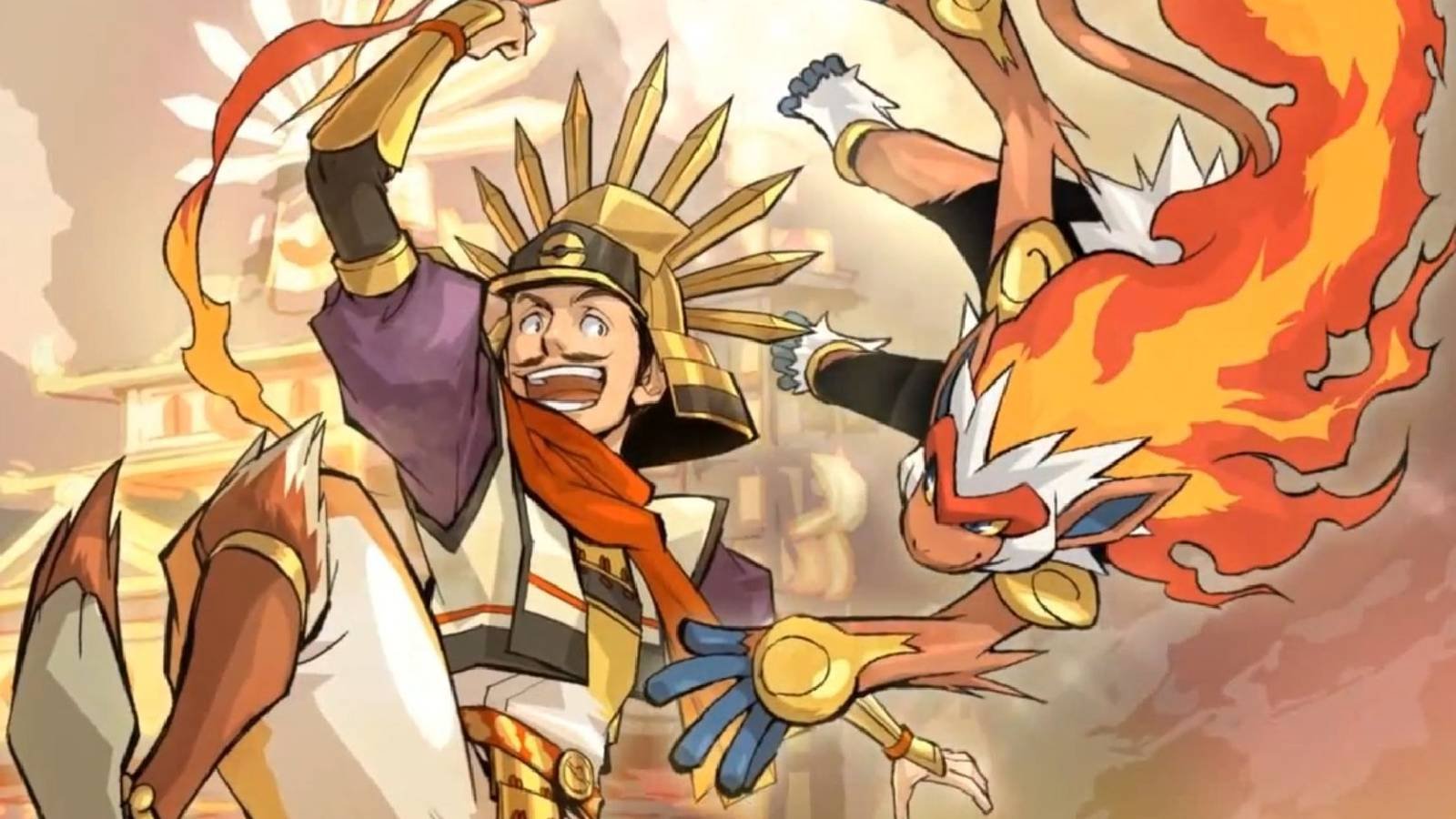
<i>Pokémon Conquest</i> is perhaps one of the most critically acclaimed yet overlooked spin-offs. This crossover title combined the strategic elements of the <i>Nobunaga's Ambition</i> series with the world of Pokémon, creating a turn-based tactical RPG set in the Ransei region. Players, alongside historical Japanese warlords and their Pokémon partners, aimed to unify the region. Its deep strategy, compelling story, and unique fusion of two distinct franchises earned it high praise. Despite its quality, its niche genre and late release on the DS platform meant it never achieved the mainstream recognition it arguably deserved.
10. Pokémon Play It! / Play It! Version 2 (PC, 1999/2000)
Before dedicated online clients, these PC games served as interactive tutorials and simulators for the Pokémon Trading Card Game. <i>Pokémon Play It!</i> and its sequel, <i>Version 2</i>, taught players the rules of the physical card game through guided tutorials and allowed them to play against AI opponents using digital decks. While instrumental for fans looking to understand the TCG, these titles were educational tools rather than expansive video games. Their PC-only format and specific focus meant they were quickly forgotten as the TCG moved to more dynamic digital platforms and the core video games continued to dominate.
The Enduring Legacy of the Overlooked
The journey through these ten forgotten Pokémon titles reveals a crucial aspect of the franchise's identity: its remarkable adaptability and willingness to experiment. While the main series adheres to a beloved formula, these spin-offs demonstrate a continuous effort to innovate across various genres, art styles, and gameplay mechanics. Each game, no matter how obscure, contributed to the rich tapestry of the Pokémon universe, pushing boundaries and providing unique experiences that broadened the brand's appeal.
Even though many of these games did not achieve the same commercial success or lasting fame as their mainline counterparts, they hold significant value. They represent creative risks, unique takes on familiar concepts, and a testament to the diverse talents of the developers involved. Revisiting these titles today offers a fresh perspective, allowing players to appreciate the full breadth of the Pokémon world and the intricate history behind its global phenomenon status. It's a reminder that true innovation often lies in the corners less explored.
Did any of these titles spark a forgotten memory or pique your curiosity? The world of Pokémon is vast and ever-expanding, filled with countless stories and adventures, both celebrated and overlooked. To continue exploring the hidden gems and latest developments across the gaming universe, be sure to dive deeper into our extensive collection of articles and insights right here at NAME OF SITE.
Fonte: https://screenrant.com