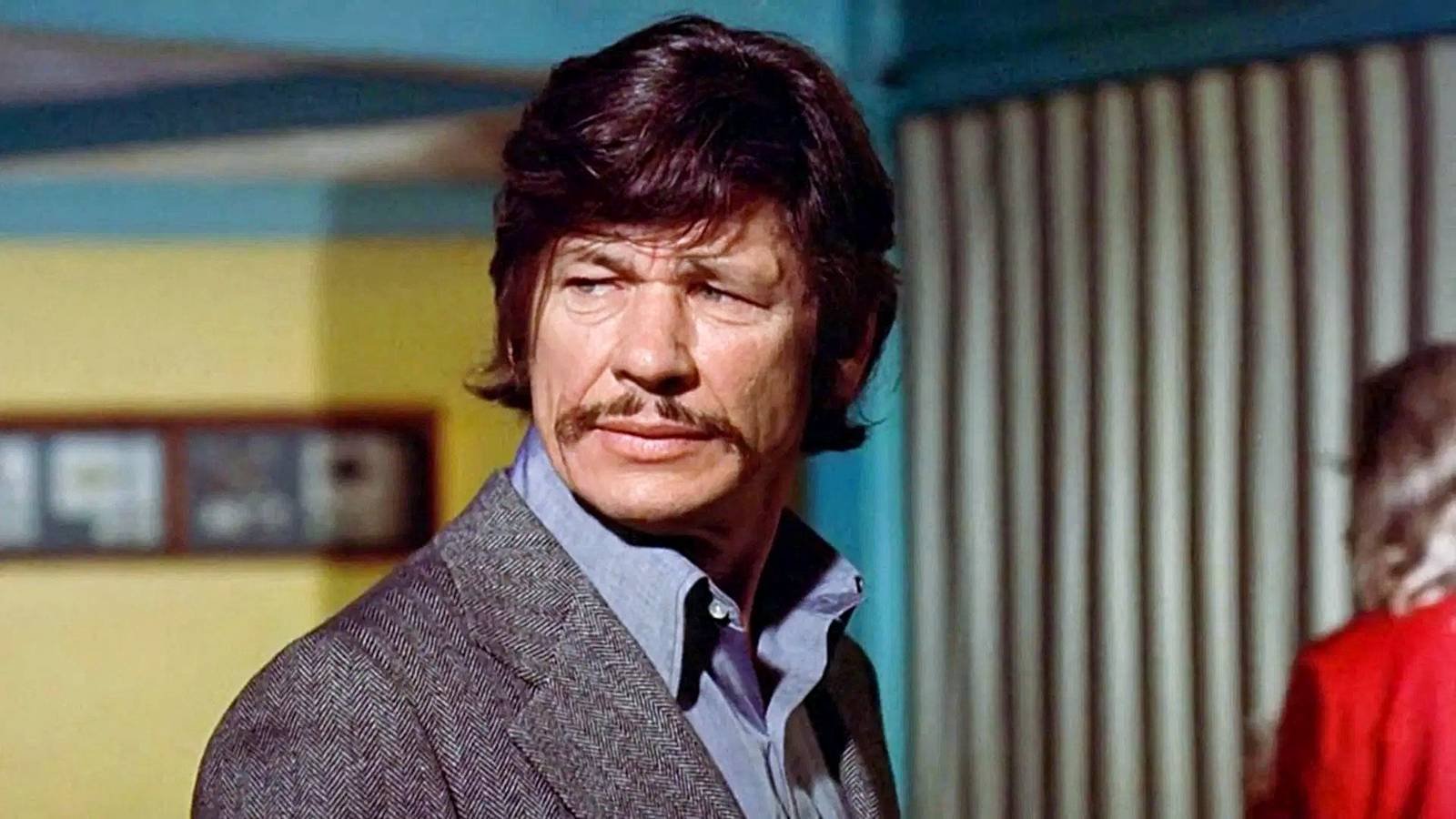
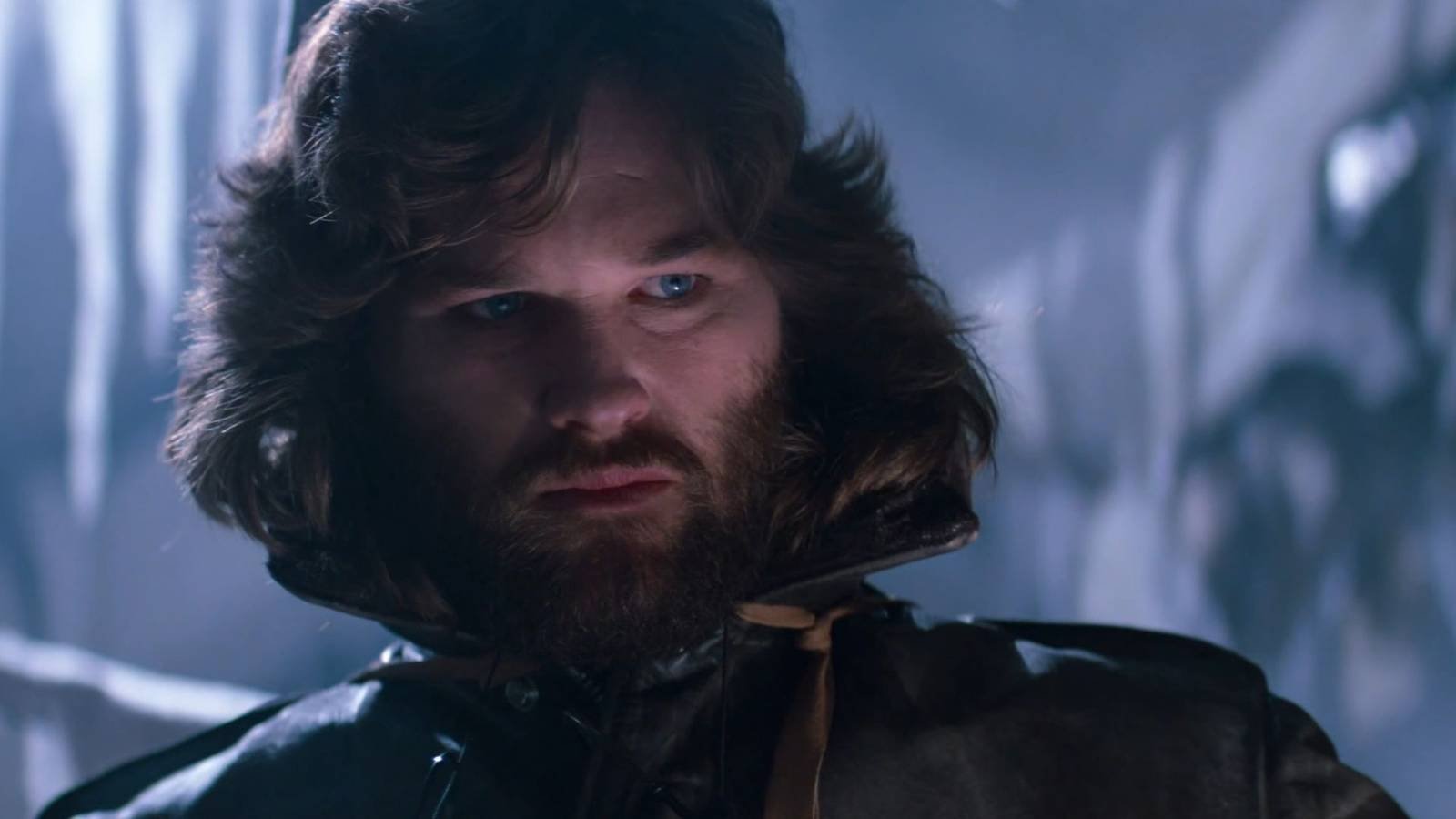
Before John Carpenter's The Thing, there was another classic sci-fi movie that adapted the same story
In the annals of cinematic horror and science fiction, few films command as much respect and fascination as John Carpenter’s 1982 masterpiece, *The Thing*. Renowned for its unparalleled practical effects, relentless atmosphere of paranoia, and terrifying depiction of an extraterrestrial menace, Carpenter's film is often hailed as a pinnacle of the genre, a true tour de force that transcends mere creature feature tropes. Its narrative of an isolated Antarctic research team succumbing to a shapeshifting alien organism has left an indelible mark on popular culture, influencing countless subsequent works and solidifying its status as a cult classic that only grew in critical appreciation years after its initial, lukewarm release.
However, what many ardent fans and casual viewers alike might not fully realize is that Carpenter’s chilling vision was not the first cinematic foray into this particular narrative universe. Decades before the 1982 film froze audiences with its visceral horror, another significant science fiction classic ventured into the same frozen wastes, adapting the very same source material with a distinct interpretation. This earlier film not only established many of the foundational elements that would later be reimagined by Carpenter but also carved out its own enduring legacy within the burgeoning genre of sci-fi horror, reflecting the anxieties and technological marvels of its own era.
The Unseen Foundation: John W. Campbell Jr.'s 'Who Goes There?'
The shared lineage of both *The Thing* adaptations traces back to a foundational work of science fiction literature: John W. Campbell Jr.'s 1938 novella, 'Who Goes There?'. Published under the pseudonym Don A. Stuart in *Astounding Science Fiction*, Campbell's story is a taut, psychological thriller set in an Antarctic research station. It introduces a group of American scientists who discover an alien spacecraft buried in the ice, along with the frozen body of its pilot. Upon thawing, the alien reveals its terrifying ability to perfectly imitate any organism it consumes, leading to a desperate struggle where trust erodes, and paranoia becomes as dangerous as the creature itself.
Campbell’s novella was revolutionary for its time, delving deep into themes of identity, humanity's vulnerability, and the existential dread of encountering something truly alien—something that defies conventional understanding and threatens the very fabric of human existence. The alien's perfect mimicry meant that anyone, even a close colleague, could be the monster, fostering an intense psychological horror that was groundbreaking. This concept of an infiltrator that sows discord through indistinguishable imitation was a powerful narrative engine, providing fertile ground for cinematic adaptation that could explore these terrifying possibilities visually.
The 1951 Predecessor: 'The Thing from Another World'
The first silver screen adaptation of Campbell’s chilling tale arrived in 1951 with *The Thing from Another World*. Produced by the legendary Howard Hawks and directed by Christian Nyby (though Hawks’s influence on the film’s pacing, dialogue, and overall style is widely acknowledged), this black-and-white classic is a cornerstone of 1950s science fiction cinema. Set at a remote Arctic research outpost (a geographical shift from the novella's Antarctic setting, likely for logistical and narrative convenience), the film follows a group of Air Force pilots and scientists who discover a crashed alien spacecraft and a large, humanoid creature frozen nearby.
*The Thing from Another World* deviates significantly from Campbell's original concept of a shapeshifting alien. Instead, the creature in the 1951 film, brilliantly portrayed by James Arness, is a towering, plant-like humanoid with an insatiable thirst for blood. Its alien nature is rooted in its biological makeup, described as an intelligent vegetable that reproduces by spores, rather than its ability to imitate. The horror here stems from its physical threat, its invulnerability, and its complete lack of human empathy or understanding. The scientists' struggle is to comprehend and defeat this physically superior, inherently hostile lifeform, rather than to identify an infiltrator among themselves.
Despite this narrative alteration, *The Thing from Another World* masterfully builds tension through its claustrophobic setting, rapid-fire dialogue, and the palpable sense of dread. It tapped into the Cold War anxieties prevalent in America at the time, with the alien often interpreted as a metaphor for an external, communist threat—faceless, relentless, and intent on destruction. The film's stark, journalistic style and emphasis on professional military and scientific personnel attempting to rationally confront the impossible gave it a documentary-like feel, making the fantastical elements all the more compelling and terrifying for audiences of its era. Its iconic ending, featuring the chilling warning, 'Keep watching the skies!' became a defining phrase of 1950s sci-fi.
John Carpenter's Vision: A Return to the Source
Three decades later, John Carpenter embarked on his own adaptation, famously stating his intention to adhere much more closely to Campbell’s original novella, particularly its core concept of the shapeshifting, imitative alien. Released in 1982, Carpenter’s *The Thing* is a bleak, nihilistic descent into paranoia. Unlike its 1951 predecessor, which focused on a clear, physical adversary, Carpenter's film plunges its characters, and the audience, into an existential nightmare where the enemy is indistinguishable from one's closest companions.
The film's groundbreaking practical effects, meticulously crafted by Rob Bottin, were revolutionary. The alien’s transformations are grotesque, visceral, and terrifyingly organic, pushing the boundaries of what cinematic horror could depict. These effects were not mere spectacle; they served the narrative, emphasizing the creature's unholy nature and the gruesome process of infiltration. The ambiguity and dread are amplified by Ennio Morricone's minimalist, haunting score and Dean Cundey's stark, isolating cinematography, all contributing to an atmosphere of pervasive hopelessness.
Initially, Carpenter's *The Thing* faced a harsh reception, overshadowed by the more optimistic and family-friendly *E.T. the Extra-Terrestrial* released the same summer. Audiences and critics found its unrelenting grimness and shocking gore difficult to stomach. However, over time, the film underwent a significant critical re-evaluation, ascending to its current status as a masterpiece. Its themes of isolation, suspicion, and the disintegration of trust are timeless, resonating deeply in an increasingly interconnected yet polarized world. The film's brilliance lies not just in its horror, but in its profound exploration of human frailty when confronted with an unknowable, utterly alien threat that weaponizes the very concept of identity.
Comparative Legacy and Enduring Impact
Comparing *The Thing from Another World* and John Carpenter's *The Thing* offers a fascinating study in adaptation and cinematic evolution. The 1951 film, with its clear monster and heroes, captured the post-war zeitgeist of confronting external threats with American ingenuity. Its horror was palpable but manageable, a battle against a recognizable, if alien, foe. It laid the groundwork for countless creature features and set a high bar for suspenseful sci-fi. Its influence can be seen in the immediate wave of alien invasion films that followed throughout the decade.
Carpenter's 1982 version, on the other hand, presented a far more cynical and terrifying vision. By embracing Campbell's original concept of shapeshifting, it externalized an internal horror, transforming the enemy from a physical threat into a psychological one. The 'thing' became less about a monster to be fought and more about a horrifying question mark over every character's identity and loyalty. This deeper exploration of paranoia and existential dread made it a more challenging, yet ultimately more profound, horror experience for modern audiences, whose fears often stem from internal divisions and unseen dangers rather than overt, identifiable enemies.
Both films, despite their differing interpretations, stand as classics of their respective eras, each contributing significantly to the fabric of science fiction and horror cinema. They demonstrate the enduring power of Campbell's original narrative, proving that the fear of the unknown, the terror of infiltration, and the chilling prospect of losing one's own identity remain potent themes that resonate across generations. Whether it's the overt menace of a plant-based alien or the insidious terror of a perfect mimic, 'The Thing' saga continues to probe humanity’s deepest fears about what lies beyond our understanding, and perhaps, within ourselves.
Delve deeper into the cinematic history of horror and sci-fi, and uncover more hidden gems and groundbreaking analyses that challenge your perceptions. Continue exploring the vast universe of film criticism and pop culture insights right here on [NAME OF SITE], where your next favorite article awaits!
Fonte: https://screenrant.com