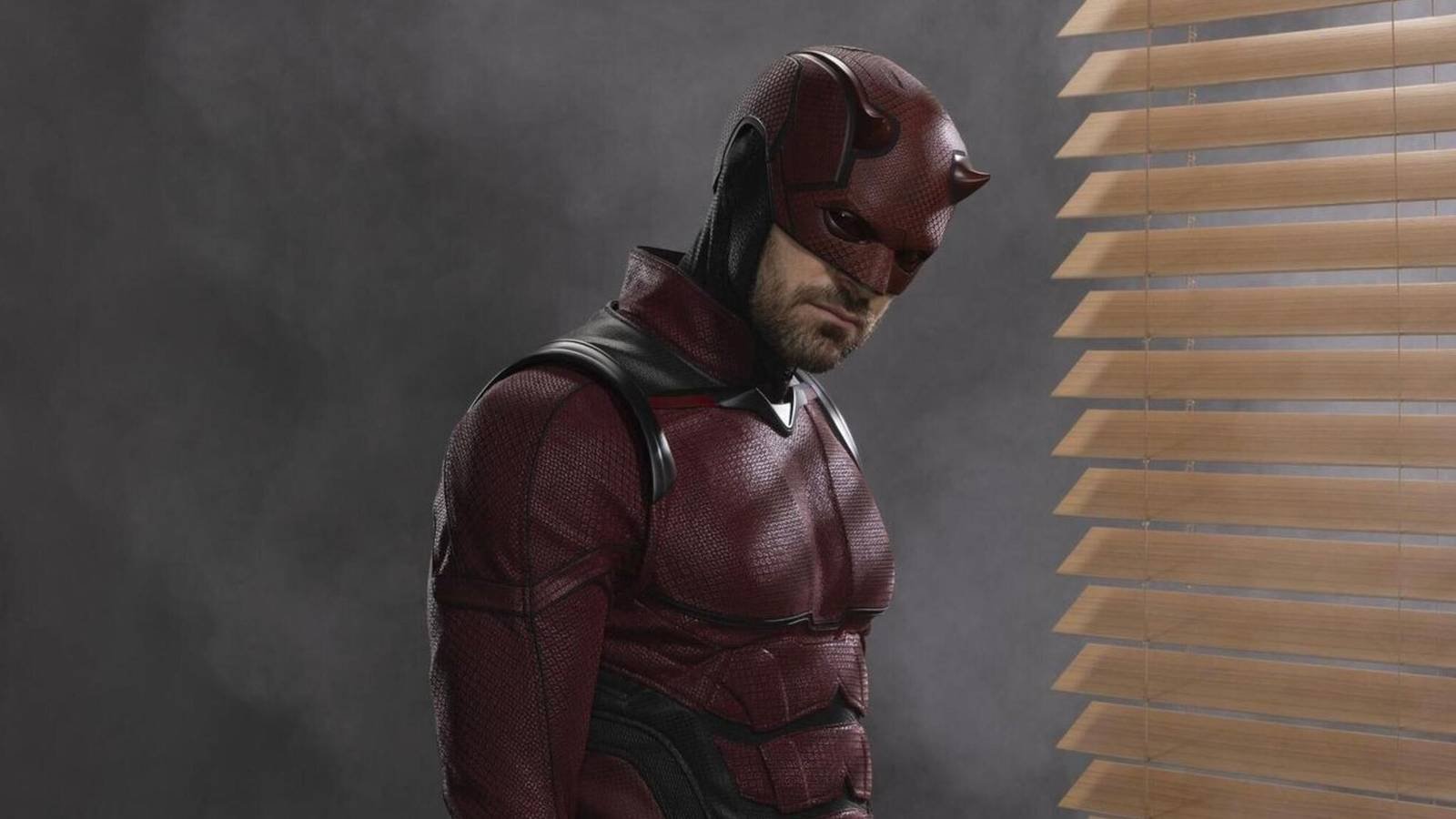
In the highly anticipated landscape of the Marvel Cinematic Universe, few series carry the weight of expectation and fan fervor quite like "Daredevil: Born Again." The show, which promises the triumphant return of Charlie Cox as Matt Murdock/Daredevil and Vincent D'Onofrio as Wilson Fisk/Kingpin, has undergone significant creative restructuring, a development that initially caused apprehension but now appears to be paving the way for unprecedented narrative depth. Central to this renewed vision is the confirmed return of Wilson Bethel as Benjamin Poindexter, better known as Bullseye. This decision signals a profound shift in approach, indicating that the upcoming seasons are not merely reviving beloved characters but are actively enhancing Matt Murdock's entire rogues gallery, positioning them for their most substantial and impactful roles within the broader MCU to date. This commitment to developing antagonists beyond mere plot devices is poised to elevate the series, offering a rich tapestry of conflict and character exploration.
The Resurgence of Benjamin Poindexter: Bullseye's Expanded Role
The initial plans for "Daredevil: Born Again" Season 1 notably excluded Wilson Bethel's Benjamin Poindexter, a character whose brutal efficiency and psychological complexity left a significant mark on fans during the third season of Netflix's "Daredevil." Poindexter's origin story, meticulously crafted to transform him into the unhinged assassin Bullseye, culminated in a visceral cliffhanger, with his spinal cord severed but his innate precision seemingly intact. The prospect of his exclusion from the MCU iteration was met with widespread disappointment, given the clear foreshadowing of his eventual return to menace Matt Murdock. Fans had eagerly anticipated the full realization of Bullseye, a character celebrated for his lethal accuracy and deep-seated psychological issues, making his absence a perplexing creative choice that seemed to disregard established narrative threads and audience investment.
Fortunately, the extensive creative overhaul that saw original showrunners Chris Ord and Matt Corman replaced by Dario Scardapane, with Justin Benson and Aaron Moorhead directing, brought about a crucial shift. The revised vision now embraces Bethel's return as Bullseye, confirming his inclusion and an expanded role for him in the second season of "Born Again." This decision is not merely a fan service gesture; it signifies a commitment to leveraging one of Daredevil's most iconic and psychologically formidable adversaries. By reintegrating Bullseye, the series gains an antagonist capable of challenging Matt Murdock on multiple fronts—physically, mentally, and morally. His precision, unpredictability, and deeply personal vendetta against Daredevil promise to escalate the stakes, offering a more intricate and emotionally resonant conflict than previously envisioned. This upgrade suggests a multi-faceted exploration of Bullseye's character, potentially delving deeper into his psyche, his recovery, and his path of vengeance, ensuring he is more than just a formidable physical threat but a compelling narrative force.
Defining the "MCU Upgrade" for Matt Murdock's Adversaries
The term "MCU upgrade" for Matt Murdock's rogues gallery implies much more than just a transition from a Netflix series to a Disney+ production; it signifies a comprehensive enhancement in their characterization, narrative scope, and integration within the expansive Marvel Cinematic Universe. This upgrade can manifest in several key ways. Firstly, it suggests deeper character development, allowing villains more screen time and nuanced exploration of their motivations, backstories, and psychological complexities, moving beyond simplistic antagonistic roles. Secondly, it means elevated stakes, as their actions and conflicts with Daredevil could now have broader repercussions within the interconnected MCU, potentially influencing other street-level heroes or even larger cosmic events. Thirdly, it implies a more refined visual and thematic presentation, leveraging the production capabilities of Marvel Studios to bring these characters to life with enhanced authenticity and impact, aligning them with the established quality of the wider cinematic universe. This holistic approach ensures that each adversary is not just a formidable foe, but a pivotal element in Daredevil's evolving saga.
The creative retooling of "Daredevil: Born Again" appears to be the catalyst for this ambitious upgrade. The initial production faced challenges, reportedly resulting in a tone that deviated significantly from the gritty, character-driven essence of the original Netflix series. The decision to halt production, dismiss the original creative team, and bring in new writers and directors indicates a renewed commitment to capturing the authentic spirit of Daredevil while meticulously weaving it into the MCU fabric. This pause allowed for a critical re-evaluation of narrative directions, character arcs, and thematic consistency. By refocusing on the core elements that made the original series a critical and fan favorite, the new creative team has been empowered to craft more ambitious and meaningful roles for Matt Murdock's adversaries. This strategic pivot suggests that the "upgrade" is not accidental but a deliberate effort to ensure these villains are not only formidable but also integral to the overarching narrative, providing genuine challenges that resonate deeply with both Matt Murdock and the audience, thereby solidifying "Born Again" as a landmark entry in the MCU's street-level narrative.
Beyond Bullseye: Expanding the Gallery of Foes
Wilson Fisk, The Kingpin of Crime
While Bullseye's return is a significant indicator of this villainous upgrade, Wilson Fisk, portrayed by the formidable Vincent D'Onofrio, remains at the apex of Daredevil's rogues gallery. Having already made impactful appearances in "Hawkeye" and "Echo," Kingpin's reintroduction into the MCU proper sets a high bar for antagonists. "Born Again" presents a golden opportunity to further entrench Fisk as a truly terrifying and multifaceted villain, showcasing his political machinations, his ruthless control over New York's criminal underworld, and his deeply personal vendetta against Matt Murdock. The series can explore his ambition to potentially become Mayor of New York, blurring the lines between legitimate power and illicit influence, a storyline directly pulled from critically acclaimed comic runs. This 'upgrade' for Kingpin means an even more expansive role, allowing his presence to cast a long shadow over not just Daredevil but potentially other street-level heroes and even official institutions within the MCU, cementing his status as one of Marvel's most iconic and dangerous human adversaries. His intellectual prowess, physical might, and psychological manipulation will serve as the ultimate test for Matt Murdock, forcing him to confront the moral complexities of justice in a world dominated by Fisk's seemingly insurmountable power.
Potential Returns and New Introductions
The promise of an upgraded rogues gallery extends beyond just Bullseye and Kingpin, opening the door for other classic Daredevil villains to receive similar nuanced treatments. Characters like Elektra Natchios, whose complex relationship with Matt Murdock could be explored with even greater emotional depth and moral ambiguity, present a compelling opportunity. Rather than simply being an assassin or a love interest, Elektra's internal conflicts and her struggle between light and darkness could be amplified, positioning her as a tragic figure whose allegiances are constantly in flux. The enigmatic organization known as The Hand, with its mystical elements and relentless pursuit of power, could also be re-imagined as a more formidable and pervasive threat, linking them to ancient evils or even broader supernatural elements within the MCU. Minor villains from the comics, such as The Owl or Stilt-Man, could also be introduced not as one-off adversaries but as characters whose stories intersect with Matt's, contributing to the rich tapestry of Hell's Kitchen's criminal landscape. This expansion suggests a deliberate move to populate Daredevil's world with a diverse array of challenges, ensuring that Matt Murdock is consistently tested by foes who represent different facets of crime, corruption, and personal demons. By investing in these characters, "Born Again" has the potential to create a truly immersive and dangerous environment for the Man Without Fear, solidifying the series as a pivotal component of the MCU's darker, more mature storytelling.
The Impact on Daredevil and the MCU's Street-Level Narrative
The strategic decision to enhance Matt Murdock's rogues gallery in "Daredevil: Born Again" will undoubtedly have a profound impact on the titular hero. A more robust and deeply developed cast of adversaries means Matt will face greater physical threats, but more importantly, he will confront intensified moral and ethical dilemmas. Villains like Kingpin and Bullseye challenge not only Daredevil's combat skills but also Matt Murdock's legal principles and personal convictions. The psychological toll of battling individuals who are not simply evil for evil's sake, but driven by complex motivations and deep-seated grievances, will force Matt to continually question the boundaries of justice and his own capacity for vengeance. This elevated narrative tension will push Matt Murdock to his limits, exploring the internal conflicts that make him one of Marvel's most compelling characters. His double life as a lawyer and a vigilante will be strained as the lines between law and chaos blur, forcing him to adapt and evolve in the face of increasingly sophisticated and personal threats. The series' commitment to developing these antagonists ensures that Daredevil's journey will be one of constant struggle, making his eventual triumphs all the more meaningful and hard-won.
Furthermore, the "MCU upgrade" of Daredevil's villains has broader implications for the Marvel Cinematic Universe's street-level narrative. "Born Again" is poised to establish a new benchmark for mature, character-driven storytelling within the MCU, proving that complex moral ambiguities and grounded conflicts can coexist with the grander cosmic narratives. By focusing on deeply developed antagonists, the series can provide a template for future street-level heroes, emphasizing the importance of a compelling supporting cast of villains in defining the hero's journey. This approach could lead to more interconnected narratives among New York-based characters, potentially setting the stage for crossover events that feel earned and impactful, rather than simply obligatory. The quality and depth of these upgraded villains could solidify the street-level corner of the MCU as a vital, distinct, and critically acclaimed component of the franchise, appealing to both long-time fans of the original series and newcomers seeking more nuanced superhero stories. Ultimately, "Daredevil: Born Again" is not just about bringing Daredevil back; it's about redefining what street-level superhero narratives can achieve within the Marvel Cinematic Universe, using its formidable rogues gallery as a cornerstone for this ambitious vision.
The anticipation for "Daredevil: Born Again" continues to build, fueled by the promising news of creative retooling and the strategic enhancement of Matt Murdock's adversaries. The return of Bullseye, alongside the re-established dominance of Kingpin and the potential for other compelling villains, signals a series committed to delivering a rich, complex, and impactful narrative. This isn't just a rehash; it's an ambitious expansion designed to bring Daredevil's world into the MCU with unprecedented depth and gravitas. As we look forward to witnessing Matt Murdock face his most formidable challenges yet, the future of street-level heroism in the MCU looks brighter and more thrilling than ever before. For more in-depth analyses, exclusive updates, and comprehensive coverage of "Daredevil: Born Again" and all things Marvel, keep browsing NAME OF SITE, your ultimate source for all things superhero.
Fonte: https://screenrant.com